THE ADVENTURE COLLECTIVE® · Independent discovery and booking for outdoor travel

See baby pandas up close in the morning at Chengdu’s world-class breeding center, then travel to Leshan to view the towering, 71‑meter stone Giant Buddha—one efficient, private day that pairs wildlife conservation with Tang‑era monumentality. Practical tips and what to expect inside.
See baby pandas up close in the morning at Chengdu’s world-class breeding center, then travel to Leshan to view the towering, 71‑meter stone Giant Buddha—one efficient, private day that pairs wildlife conservation with Tang‑era monumentality. Practical tips and what to expect inside.
You step out into Chengdu morning air and the city hums behind you while bamboo-scented quiet waits ahead. A private guide, a comfortable car, and a clear route set the rhythm: first the panda enclosures where adults lumber and cubs tumble in the filtered light, then the drive south to the cliff where a 71-meter stone Buddha watches the river meet the valley.
Verified experiences and guided adventures in the surrounding area.
Operated by China Theme Tour · Chengdu, Sichuan
You step out into Chengdu morning air and the city hums behind you while bamboo-scented quiet waits ahead. A private guide, a comfortable car, and a clear route set the rhythm: first the panda enclosures where adults lumber and cubs tumble in the filtered light, then the drive south to the cliff where a 71-meter stone Buddha watches the river meet the valley.
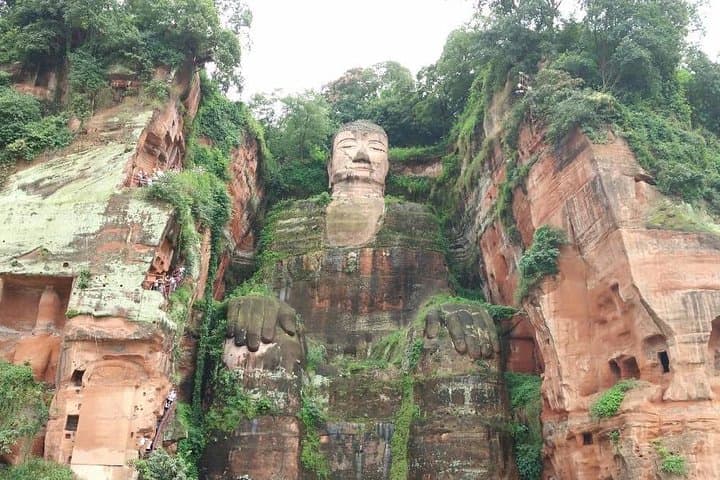
The Chengdu Research Base of Giant Panda Breeding was established to rescue a species squeezed by habitat loss; its enclosures and nursery reflect decades of captive-breeding science and public education. The Leshan Giant Buddha, carved during the Tang dynasty (8th–9th centuries), stands on a sandstone cliff at the confluence of three rivers—its scale shaped by local geology and the river’s erosive power.
Culture here alternates between tender and monumental: panda keepers describe feeding routines and cub milestones, while at Leshan temple music and incense mark a centuries-old devotional route. Practicalities follow: the tour typically runs about 8–9 hours with hotel pickup, but park admissions and lunch aren’t included. Expect walking on paved paths, stone steps and a riverside boat option for full views of the Buddha.
Bring sun and rain protection, charge your camera, and plan bathroom breaks—facilities exist but can be queued. Morning visits increase the chance of active pandas; afternoons suit a riverboat perspective at Leshan. For travelers with moderate fitness, this custom private day balances wildlife viewing, cultural history, and straightforward logistics into one efficient day in Sichuan.
moderate.
8–9 hours.
Moderate fitness—able to walk several kilometers and climb multiple stair sections without assistance
No—entrance fees for the panda base and Leshan Giant Buddha are typically paid on site; your guide can assist with ticket purchase.
The drive is roughly 1.5–2 hours one way depending on traffic; the full tour including visits is about 8–9 hours.
Baby pandas are most commonly visible in the morning seasonally; sightings aren’t guaranteed but early visits increase the chance of seeing cubs in the nursery.
Yes—this private tour accommodates families, but participants should manage stair climbs at Leshan; inform the operator of mobility needs when booking.
The Leshan Giant Buddha was carved during the Tang dynasty over about 90 years; Chengdu’s panda program grew in the late 20th century as part of conservation and research efforts.
The panda base focuses on captive breeding, research and reintroduction programs while education aims to reduce habitat loss; visitors are encouraged to follow site rules to minimize disturbance.
China Theme Tour operates guided outdoor trips and adventures with an emphasis on safety, stewardship, and memorable experiences.
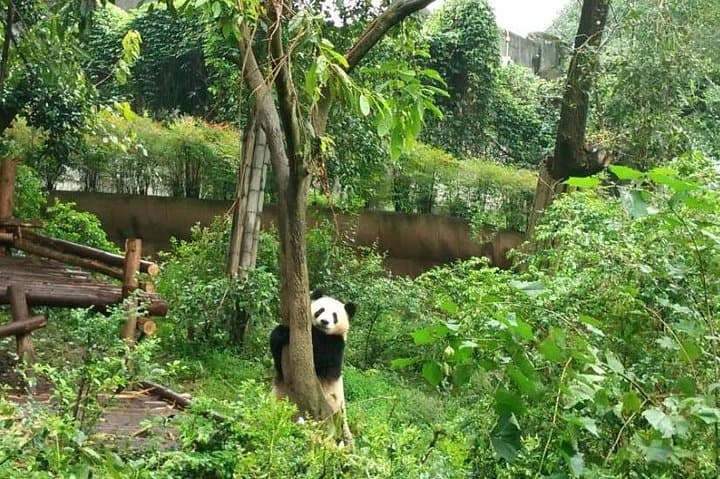

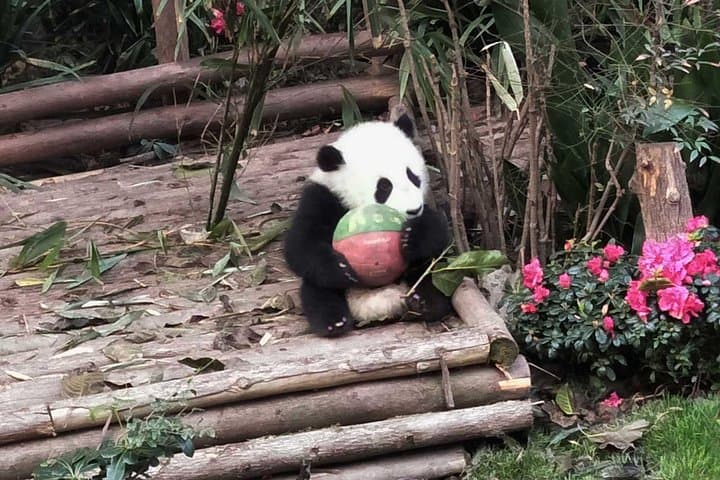
You step out into Chengdu morning air and the city hums behind you while bamboo-scented quiet waits ahead. A private guide, a comfortable car, and a clear route set the rhythm: first the panda enclosures where adults lumber and cubs tumble in the filtered light, then the drive south to the cliff where a 71-meter stone Buddha watches the river meet the valley.
You step out into Chengdu morning air and the city hums behind you while bamboo-scented quiet waits ahead. A private guide, a comfortable car, and a clear route set the rhythm: first the panda enclosures where adults lumber and cubs tumble in the filtered light, then the drive south to the cliff where a 71-meter stone Buddha watches the river meet the valley.
The Chengdu Research Base of Giant Panda Breeding was established to rescue a species squeezed by habitat loss; its enclosures and nursery reflect decades of captive-breeding science and public education. The Leshan Giant Buddha, carved during the Tang dynasty (8th–9th centuries), stands on a sandstone cliff at the confluence of three rivers—its scale shaped by local geology and the river’s erosive power.
Culture here alternates between tender and monumental: panda keepers describe feeding routines and cub milestones, while at Leshan temple music and incense mark a centuries-old devotional route. Practicalities follow: the tour typically runs about 8–9 hours with hotel pickup, but park admissions and lunch aren’t included. Expect walking on paved paths, stone steps and a riverside boat option for full views of the Buddha.
Bring sun and rain protection, charge your camera, and plan bathroom breaks—facilities exist but can be queued. Morning visits increase the chance of active pandas; afternoons suit a riverboat perspective at Leshan. For travelers with moderate fitness, this custom private day balances wildlife viewing, cultural history, and straightforward logistics into one efficient day in Sichuan.