THE ADVENTURE COLLECTIVE® · Independent discovery and booking for outdoor travel

See Cappadocia’s carved cities, towering fairy chimneys and living pottery tradition in one efficient private day tour. From the cool, labyrinthine chambers of Derinkuyu to the sunlit cones of Pasabag and the village workshops of Avanos, this route delivers geology, history and hands-on culture in eight hours.
See Cappadocia’s carved cities, towering fairy chimneys and living pottery tradition in one efficient private day tour. From the cool, labyrinthine chambers of Derinkuyu to the sunlit cones of Pasabag and the village workshops of Avanos, this route delivers geology, history and hands-on culture in eight hours.
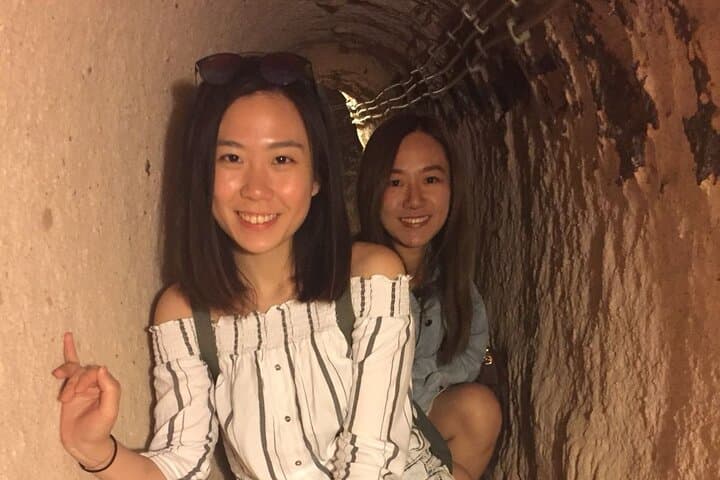
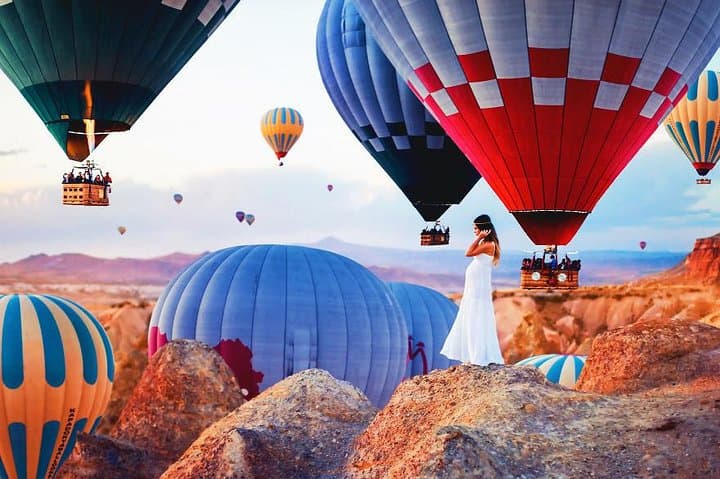
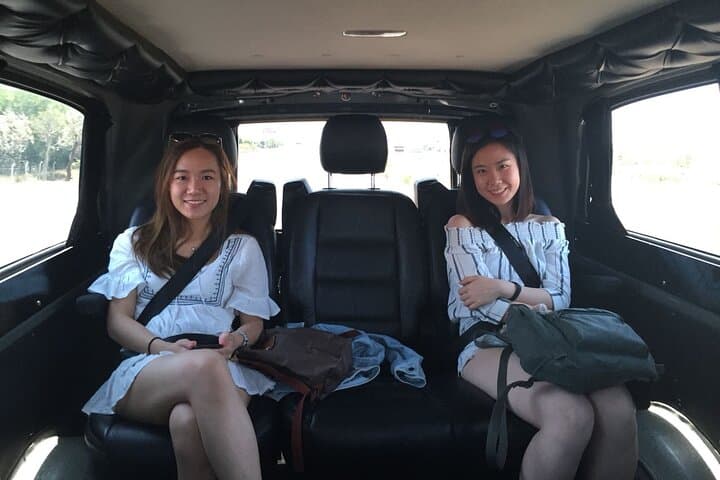
You step out before sunrise and the stone world of Cappadocia is still cool to the touch. The minivan hums away from Göreme as low light slides across mushroom-shaped pinnacles—fairy chimneys that seem to defy gravity while holding centuries of human life in their hollow bellies. By midmorning your guide is pointing to a slit in the earth: the entrance to Derinkuyu, where the landscape folds inward and history moves underground.
Verified experiences and guided adventures in the surrounding area.
Operated by Stoneland Travel · Göreme, Nevşehir Province
You step out before sunrise and the stone world of Cappadocia is still cool to the touch. The minivan hums away from Göreme as low light slides across mushroom-shaped pinnacles—fairy chimneys that seem to defy gravity while holding centuries of human life in their hollow bellies. By midmorning your guide is pointing to a slit in the earth: the entrance to Derinkuyu, where the landscape folds inward and history moves underground.
Cappadocia wears its past on every face. These volcanic tuffs, laid down by eruptions millions of years ago, were softened by wind and rain into columns and cones. People here carved homes, churches and entire cities into the soft rock from Hittite times through the Byzantine era; in places like Derinkuyu, communities retreated into subterranean levels as protection from raids. Zelve and Pasabag show the exterior conversely—columns, chimneys and carved rooms standing like geological sculptures along valleys eroded into dramatic ridgelines. Nearby Avanos carries a different story: a river town shaped by clay and a pottery tradition stretching to antiquity.
This private 8-hour circuit compresses the essentials: a walkthrough of Derinkuyu’s narrow tunnels, a stroll among Pasabag’s multi-headed chimneys, the open-air maze of Zelve, quick stops at Devrent and Ortahisar, and a hands-on look at Avanos pottery. The pace is brisk but accessible—walking is mostly on worn paths and valley floors, with short climbs to viewpoints rather than sustained ascents. Guides commonly include bottled water and lunch, and pick-up from Göreme hotels makes the logistics seamless.
Plan for angles and conditions. Early light brings sculpted shadows that flatter the chimneys; late afternoon softens the ochres into warmer tones. The underground city is cool and tight—wear layers and sturdy shoes and be prepared for low ceilings and uneven steps. Bring small bills for local crafts if you want to try the potter’s wheel in Avanos or pick up a hand-thrown souvenir.
Practical timing: the full loop runs about 8 hours with several 20–60 minute site stops; minimal technical skill is required and the physical intensity is rated easy for most travelers. If you are claustrophobic, ask the guide about optional viewing platforms in Derinkuyu rather than descending deep. Respect the rock-cut churches and fragile formations—stick to marked paths and avoid touching frescoes.
A one-day tour like this is a compact primer on Cappadocia—its geology daring you to look closer, its history pulling you inward, and its craft culture offering a tactile finish. For travelers short on time, it’s the efficient way to feel the region’s scale and human story in a single, memorable day.
easy.
8 hours.
Light fitness needed: short walks, some stairs and brief climbs to viewpoints; suitable for most travelers.
The tour is approximately 8 hours including hotel pickup, multiple site visits, lunch and brief stops at viewpoints.
Children can visit, but infants must sit on laps and narrow tunnels may be challenging for very young kids; stroller access is limited underground.
Some sites require separate admission; confirm with the operator—this tour description indicates admissions may not all be included.
Yes—most visits include a demo and you can try the wheel for a small fee; bring cash for studio purchases.
Yes, this listing is for a private tour with hotel pickup and an English-speaking guide typically included.
Many sites have uneven paths and stairs; while the minivan transport is comfortable, full accessibility is limited at the open-air and underground sites.
People have carved these soft volcanic tuffs for millennia; Derinkuyu and other underground complexes were expanded in late antiquity as refuge settlements.
Erosion and visitor traffic threaten fragile formations and frescoes—stick to marked paths, avoid touching rock surfaces, and support local conservation initiatives.
Stoneland Travel operates guided outdoor trips and adventures with an emphasis on safety, stewardship, and memorable experiences.

You step out before sunrise and the stone world of Cappadocia is still cool to the touch. The minivan hums away from Göreme as low light slides across mushroom-shaped pinnacles—fairy chimneys that seem to defy gravity while holding centuries of human life in their hollow bellies. By midmorning your guide is pointing to a slit in the earth: the entrance to Derinkuyu, where the landscape folds inward and history moves underground.
You step out before sunrise and the stone world of Cappadocia is still cool to the touch. The minivan hums away from Göreme as low light slides across mushroom-shaped pinnacles—fairy chimneys that seem to defy gravity while holding centuries of human life in their hollow bellies. By midmorning your guide is pointing to a slit in the earth: the entrance to Derinkuyu, where the landscape folds inward and history moves underground.
Cappadocia wears its past on every face. These volcanic tuffs, laid down by eruptions millions of years ago, were softened by wind and rain into columns and cones. People here carved homes, churches and entire cities into the soft rock from Hittite times through the Byzantine era; in places like Derinkuyu, communities retreated into subterranean levels as protection from raids. Zelve and Pasabag show the exterior conversely—columns, chimneys and carved rooms standing like geological sculptures along valleys eroded into dramatic ridgelines. Nearby Avanos carries a different story: a river town shaped by clay and a pottery tradition stretching to antiquity.
This private 8-hour circuit compresses the essentials: a walkthrough of Derinkuyu’s narrow tunnels, a stroll among Pasabag’s multi-headed chimneys, the open-air maze of Zelve, quick stops at Devrent and Ortahisar, and a hands-on look at Avanos pottery. The pace is brisk but accessible—walking is mostly on worn paths and valley floors, with short climbs to viewpoints rather than sustained ascents. Guides commonly include bottled water and lunch, and pick-up from Göreme hotels makes the logistics seamless.
Plan for angles and conditions. Early light brings sculpted shadows that flatter the chimneys; late afternoon softens the ochres into warmer tones. The underground city is cool and tight—wear layers and sturdy shoes and be prepared for low ceilings and uneven steps. Bring small bills for local crafts if you want to try the potter’s wheel in Avanos or pick up a hand-thrown souvenir.
Practical timing: the full loop runs about 8 hours with several 20–60 minute site stops; minimal technical skill is required and the physical intensity is rated easy for most travelers. If you are claustrophobic, ask the guide about optional viewing platforms in Derinkuyu rather than descending deep. Respect the rock-cut churches and fragile formations—stick to marked paths and avoid touching frescoes.
A one-day tour like this is a compact primer on Cappadocia—its geology daring you to look closer, its history pulling you inward, and its craft culture offering a tactile finish. For travelers short on time, it’s the efficient way to feel the region’s scale and human story in a single, memorable day.