THE ADVENTURE COLLECTIVE® · Independent discovery and booking for outdoor travel

A full-day coach runs from Nagoya to Takayama’s preserved Edo streets and the thatched farmhouses of Shirakawa-go. Expect long drives balanced by immersive cultural sites, local food, and architecture shaped by heavy winter snow.
A full-day coach runs from Nagoya to Takayama’s preserved Edo streets and the thatched farmhouses of Shirakawa-go. Expect long drives balanced by immersive cultural sites, local food, and architecture shaped by heavy winter snow.
A morning highway hum blurs into mountain air as the coach climbs from Nagoya toward the Hida region, leaving highways and city glass behind. You step off in Takayama’s Sanmachi historic quarter and the world narrows to wooden facades, canals that reflect tiled eaves, and the low chime of sake barrels. The rhythm here is deliberate: market stalls selling pickles and Hida beef croquettes, sake breweries that open their cedar-scented doors, and craftsmen shaping cedar and lacquer the way they have for centuries.
Verified experiences and guided adventures in the surrounding area.
Operated by TrevoTour Travels · Shirakawa-go, Gifu Prefecture
A morning highway hum blurs into mountain air as the coach climbs from Nagoya toward the Hida region, leaving highways and city glass behind. You step off in Takayama’s Sanmachi historic quarter and the world narrows to wooden facades, canals that reflect tiled eaves, and the low chime of sake barrels. The rhythm here is deliberate: market stalls selling pickles and Hida beef croquettes, sake breweries that open their cedar-scented doors, and craftsmen shaping cedar and lacquer the way they have for centuries.
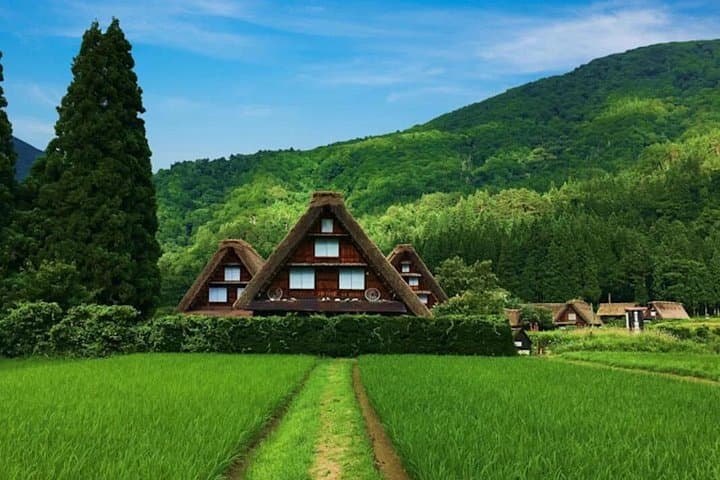
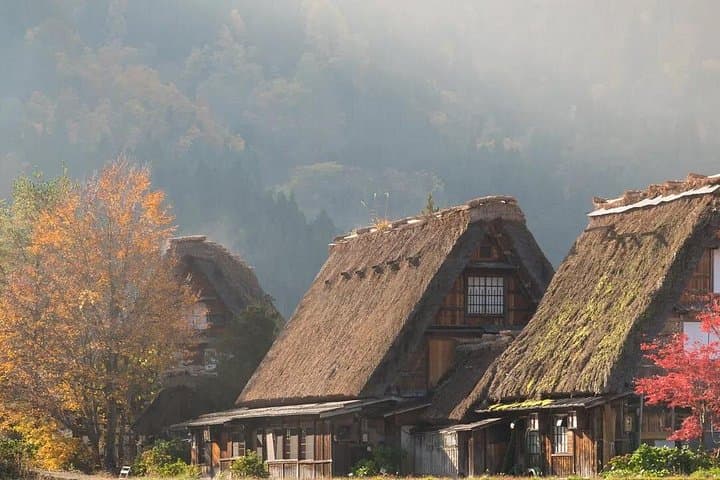
A short drive later, Shirakawa-go unfolds—a valley of steep, thatched gassho-zukuri roofs designed to shed heavy snow. The architecture is practical geology: steep pitches built for winter weight, local timber and straw woven into houses that read like hands in prayer against the sky. Both places are cultural archives—Edo-period merchant planning in Takayama, and agrarian communal life preserved in Shirakawa-go’s open-air museum.
Practicalities shape the day: long coach transfers mean early pickup and a full schedule—expect 9–10 hours total, with roughly three hours in each village. Wear comfortable walking shoes; many streets are cobbled or uneven. Bring cash for small shops and shrine donations; historic houses sometimes charge modest entry fees. Weather can swing quickly around the Northern Alps—layers and a compact rain jacket are useful year-round. Photography is plentiful but respect private properties and quiet temples.
The tour condenses traditional Japan into a single long day—great for travelers based in Nagoya who want tangible history, architecture, and regional food without overnight logistics.
easy.
9–10 hours.
Suitable for travelers with basic mobility; requires standing and walking on uneven surfaces for several hours
The tour runs about 9–10 hours total; coach transport, guided stops in Takayama’s Sanmachi district and Shirakawa-go’s open-air museum, and admissions where specified are included per the operator’s listing.
The operator notes wheelchair-accessible transportation and some accessible areas, but historic homes and steep streets in Shirakawa-go may have limited access—check specific needs with the provider before booking.
Yes—this tour departs from Nagoya; travelers based in nearby cities typically transfer to Nagoya first to join the scheduled departure.
Meals are generally not included; you’ll have time to buy regional snacks or dine in Takayama, so bring cash or cards for lunch and souvenirs.
Takayama flourished as a merchant town during the Edo period; Shirakawa-go’s gassho-zukuri houses were developed by agricultural communities to survive heavy snowfall and are now a UNESCO World Heritage site.
Visitor impact is managed through controlled pathways and entry limits to interior houses—respect signage, avoid litter, and support local craft vendors to contribute to conservation efforts.
TrevoTour Travels operates guided outdoor trips and adventures with an emphasis on safety, stewardship, and memorable experiences.
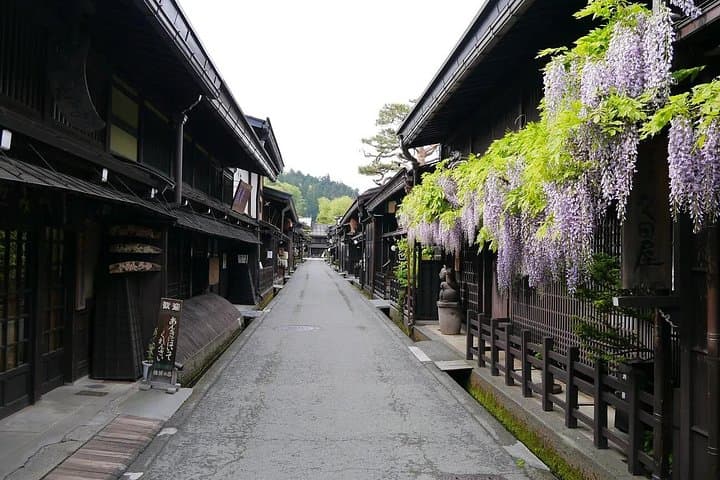
A morning highway hum blurs into mountain air as the coach climbs from Nagoya toward the Hida region, leaving highways and city glass behind. You step off in Takayama’s Sanmachi historic quarter and the world narrows to wooden facades, canals that reflect tiled eaves, and the low chime of sake barrels. The rhythm here is deliberate: market stalls selling pickles and Hida beef croquettes, sake breweries that open their cedar-scented doors, and craftsmen shaping cedar and lacquer the way they have for centuries.
A morning highway hum blurs into mountain air as the coach climbs from Nagoya toward the Hida region, leaving highways and city glass behind. You step off in Takayama’s Sanmachi historic quarter and the world narrows to wooden facades, canals that reflect tiled eaves, and the low chime of sake barrels. The rhythm here is deliberate: market stalls selling pickles and Hida beef croquettes, sake breweries that open their cedar-scented doors, and craftsmen shaping cedar and lacquer the way they have for centuries.
A short drive later, Shirakawa-go unfolds—a valley of steep, thatched gassho-zukuri roofs designed to shed heavy snow. The architecture is practical geology: steep pitches built for winter weight, local timber and straw woven into houses that read like hands in prayer against the sky. Both places are cultural archives—Edo-period merchant planning in Takayama, and agrarian communal life preserved in Shirakawa-go’s open-air museum.
Practicalities shape the day: long coach transfers mean early pickup and a full schedule—expect 9–10 hours total, with roughly three hours in each village. Wear comfortable walking shoes; many streets are cobbled or uneven. Bring cash for small shops and shrine donations; historic houses sometimes charge modest entry fees. Weather can swing quickly around the Northern Alps—layers and a compact rain jacket are useful year-round. Photography is plentiful but respect private properties and quiet temples.
The tour condenses traditional Japan into a single long day—great for travelers based in Nagoya who want tangible history, architecture, and regional food without overnight logistics.