THE ADVENTURE COLLECTIVE® · Independent discovery and booking for outdoor travel

Spend a day birding the varied habitats around Sofia, from spruce ridges on Vitosha to the reedbeds of Dragoman marsh. This guided trip combines easy walking, roadside hides and focused search time for herons, woodpeckers and specialty migrants.
Spend a day birding the varied habitats around Sofia, from spruce ridges on Vitosha to the reedbeds of Dragoman marsh. This guided trip combines easy walking, roadside hides and focused search time for herons, woodpeckers and specialty migrants.
A cool dawn over Sofia lifts like a curtain and the city’s silhouette gives way to the green shoulder of Vitosha. Participants meet in the city and drive out as light sharpens the spruce crowns and the first larks begin to call. On Vitosha, conifer ridges and high meadows host Nutcrackers and Ring Ouzel; below, reed fringes and karst hollows whisper with rails and bitterns.
Verified experiences and guided adventures in the surrounding area.
Operated by Neophron Tours · Sofia, Sofia City Province
A cool dawn over Sofia lifts like a curtain and the city’s silhouette gives way to the green shoulder of Vitosha. Participants meet in the city and drive out as light sharpens the spruce crowns and the first larks begin to call. On Vitosha, conifer ridges and high meadows host Nutcrackers and Ring Ouzel; below, reed fringes and karst hollows whisper with rails and bitterns.
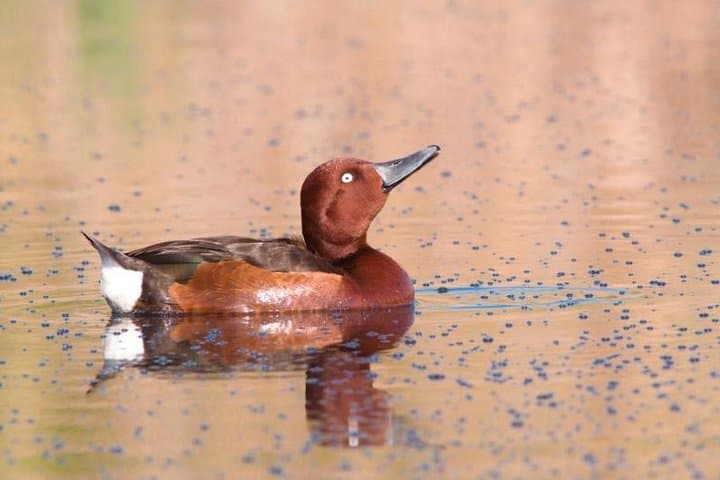
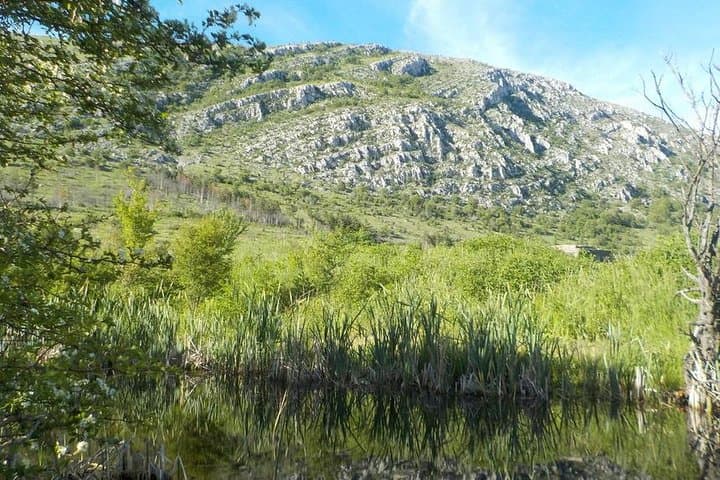
This full-day route moves between habitats—ancient Vitosha Nature Park (the oldest on the Balkans, summit at Cherni Vrah 2,290 m) and the Dragoman marsh about 35 km northwest, Bulgaria’s largest natural karst wetland. Geology shapes the birdlife: limestone valleys collect water, creating reedbeds that attract herons, crakes and ferruginous ducks, while the mountain’s spruce stands favor crossbills and woodpeckers.
Expect a rhythm of short walks, roadside stops and patient scanning from hides or vehicle edges; the operator schedules roughly three hours of field time at each site. Key species include Great Bittern, Purple Heron, Black Woodpecker, Eurasian Hoopoe and a range of migrants like the European Bee-eater.
Practical edge: dawn starts maximize sightings, waterproof boots handle marsh sodden ground, and binoculars or a spotting scope make the difference. The day is largely accessible—light walking on uneven forest tracks and boardwalks—so comfortable footwear, layered clothing and insect repellent are recommended. Operators provide transport and binoculars on request; bring water, snacks and a charged camera to capture close calls from the roadside and hides.
easy.
8–10 hours.
Suitable for most fitness levels; involves several short to moderate walks on uneven forest/trail and damp marsh paths, with long periods of standing or slow stalking.
Expect short to moderate walks (up to a few kilometers at a time) on trails, boardwalks and roadside stops; most searching is done from easy terrain or short hides.
Binoculars can be provided on request by the operator, but bringing your own optics is recommended for best results.
Yes—children may join if accompanied by an adult; the day includes vehicle time and easy on-foot sections but supervision is required near water and steep edges.
Typical sightings include Great Bittern, Purple Heron, Ferruginous Duck, Black Woodpecker, Eurasian Hoopoe, European Bee-eater and a variety of raptors and passerines depending on season.
Vitosha Nature Park, established in 1934, is one of the oldest protected areas in the Balkans; Dragoman marsh occupies a karst hollow shaped by limestone dissolution over millennia.
Both sites are protected habitats—visitors are asked to minimize disturbance, stay on trails and avoid flushing birds; supporting local guides helps fund monitoring and protection.
Neophron Tours operates guided outdoor trips and adventures with an emphasis on safety, stewardship, and memorable experiences.
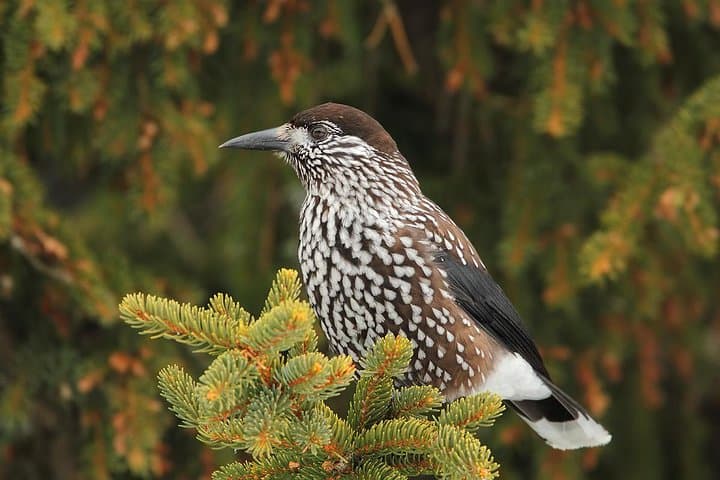
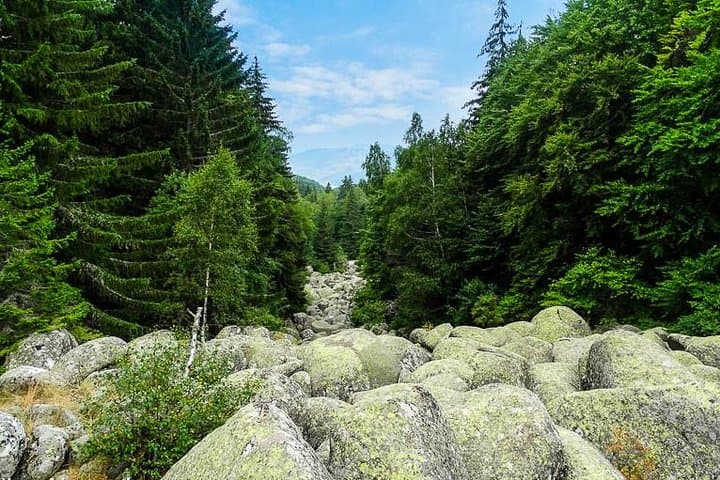
A cool dawn over Sofia lifts like a curtain and the city’s silhouette gives way to the green shoulder of Vitosha. Participants meet in the city and drive out as light sharpens the spruce crowns and the first larks begin to call. On Vitosha, conifer ridges and high meadows host Nutcrackers and Ring Ouzel; below, reed fringes and karst hollows whisper with rails and bitterns.
A cool dawn over Sofia lifts like a curtain and the city’s silhouette gives way to the green shoulder of Vitosha. Participants meet in the city and drive out as light sharpens the spruce crowns and the first larks begin to call. On Vitosha, conifer ridges and high meadows host Nutcrackers and Ring Ouzel; below, reed fringes and karst hollows whisper with rails and bitterns.
This full-day route moves between habitats—ancient Vitosha Nature Park (the oldest on the Balkans, summit at Cherni Vrah 2,290 m) and the Dragoman marsh about 35 km northwest, Bulgaria’s largest natural karst wetland. Geology shapes the birdlife: limestone valleys collect water, creating reedbeds that attract herons, crakes and ferruginous ducks, while the mountain’s spruce stands favor crossbills and woodpeckers.
Expect a rhythm of short walks, roadside stops and patient scanning from hides or vehicle edges; the operator schedules roughly three hours of field time at each site. Key species include Great Bittern, Purple Heron, Black Woodpecker, Eurasian Hoopoe and a range of migrants like the European Bee-eater.
Practical edge: dawn starts maximize sightings, waterproof boots handle marsh sodden ground, and binoculars or a spotting scope make the difference. The day is largely accessible—light walking on uneven forest tracks and boardwalks—so comfortable footwear, layered clothing and insect repellent are recommended. Operators provide transport and binoculars on request; bring water, snacks and a charged camera to capture close calls from the roadside and hides.