THE ADVENTURE COLLECTIVE® · Independent discovery and booking for outdoor travel

Spend one day moving from gong workshops to volcanic viewpoints and a preserved hilltop village. This guided loop through cultural workshops, a museum, coffee plantations and Penglipuran offers hands-on moments and panoramic views of Mt Batur.
Spend one day moving from gong workshops to volcanic viewpoints and a preserved hilltop village. This guided loop through cultural workshops, a museum, coffee plantations and Penglipuran offers hands-on moments and panoramic views of Mt Batur.
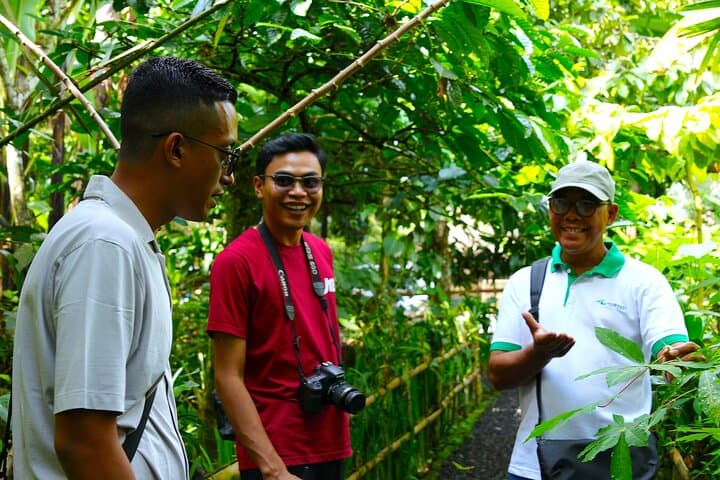
You step off the air-conditioned minivan into a village where the scent of roasted coffee blends with incense and warm stone. The day moves with measured purpose: a gong-smith’s hammer taps out tone, a museum’s carved sarcophagus catches light, and the crater rim of Mount Batur frames lunch like a raw, geological portrait.
Verified experiences and guided adventures in the surrounding area.
Operated by Tour East Indonesia · Bangli, Bali
You step off the air-conditioned minivan into a village where the scent of roasted coffee blends with incense and warm stone. The day moves with measured purpose: a gong-smith’s hammer taps out tone, a museum’s carved sarcophagus catches light, and the crater rim of Mount Batur frames lunch like a raw, geological portrait.
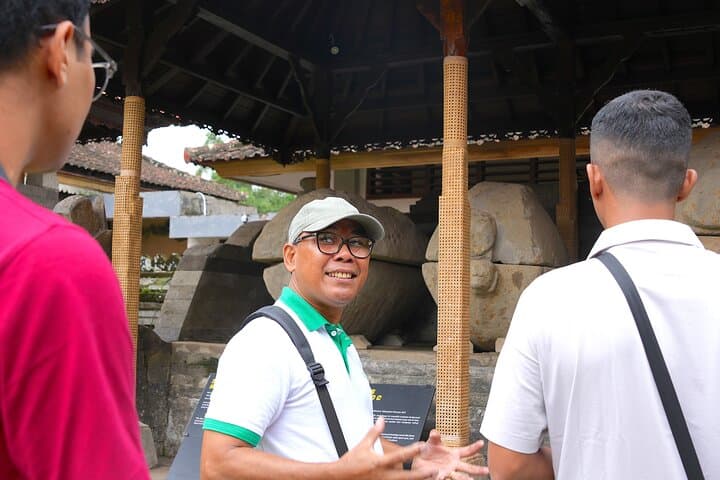
The route threads cultural history and volcanic geology. Blahbatuh’s gong-makers preserve metallurgical skills tied to temple ceremonies; Gedong Arca Museum houses royal stone coffins and ritual objects that reflect Bali’s Hindu kingdoms. The Kintamani area exposes the island’s volcanic past — Mount Batur’s lava flows shaped the valleys and Lake Batur below, while terraced plantations still rely on the crater’s fertile soils.
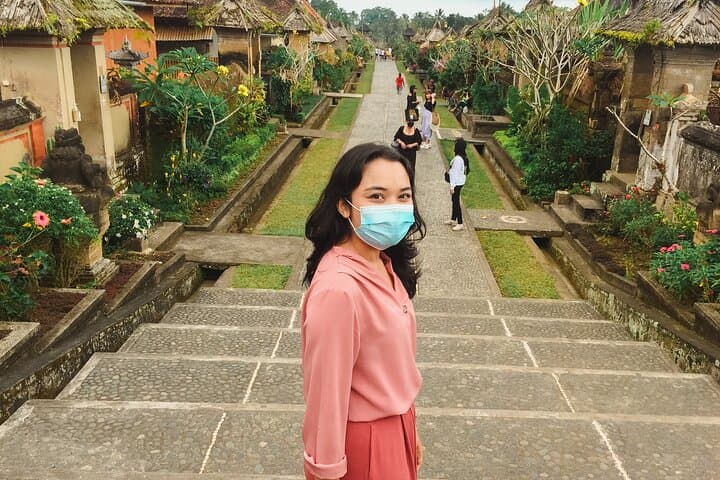
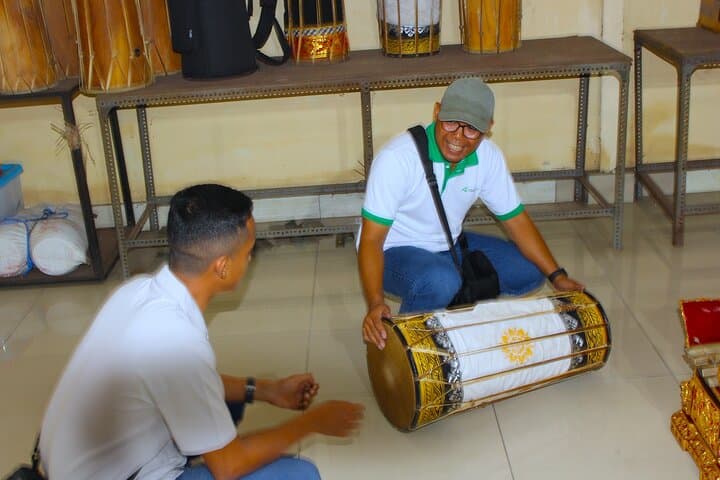
Practical rhythm replaces ceremony: expect several short walks on paved village lanes, compact dirt at plantation stops, and a gentle climb to viewpoints. The day includes hands-on gamelan, an organized coffee tasting (including Luwak if you choose), and time to wear traditional Balinese dress in Penglipuran. Transport and guide logistics keep the day efficient, with hotel pickups in greater South Bali.
Plan for tropical sun, occasional afternoon showers, and crowds at the most famous stops. Bring layered clothing, sturdy closed shoes for uneven village paths, and cash for local vendors. Hydrate early and leave room for souvenir coffee and carved curios.
This is a full, accessible day that pairs sensory culture with clear logistics — ideal for travelers who want a compact primer on Bali’s living traditions and volcanic landscape.
easy.
6–8 hours.
Suitable for most fitness levels; requires short periods of walking and standing with easy access to transport.
Expect several short walks (5–20 minutes) at each stop over mostly paved or compacted dirt surfaces; nothing strenuous.
Yes — the visit includes a tasting of local coffees and teas; purchasing Luwak coffee is optional and available for sale.
The itinerary notes entrance fees and rental of Balinese costume at Penglipuran are included; confirm with the operator for any changes.
An Indonesian buffet lunch is included in the selected package; there are also opportunities to buy additional food at viewpoints.
Many sites visited reflect Bali’s layered past: Hindu ritual objects in museums and community-led arts like gong-making that connect craft to temple ceremonies.
Tour operators often support local communities; avoid single-use plastics, respect offerings and follow the guide to minimize foot traffic through fragile village zones.
Tour East Indonesia operates guided outdoor trips and adventures with an emphasis on safety, stewardship, and memorable experiences.
You step off the air-conditioned minivan into a village where the scent of roasted coffee blends with incense and warm stone. The day moves with measured purpose: a gong-smith’s hammer taps out tone, a museum’s carved sarcophagus catches light, and the crater rim of Mount Batur frames lunch like a raw, geological portrait.
You step off the air-conditioned minivan into a village where the scent of roasted coffee blends with incense and warm stone. The day moves with measured purpose: a gong-smith’s hammer taps out tone, a museum’s carved sarcophagus catches light, and the crater rim of Mount Batur frames lunch like a raw, geological portrait.
The route threads cultural history and volcanic geology. Blahbatuh’s gong-makers preserve metallurgical skills tied to temple ceremonies; Gedong Arca Museum houses royal stone coffins and ritual objects that reflect Bali’s Hindu kingdoms. The Kintamani area exposes the island’s volcanic past — Mount Batur’s lava flows shaped the valleys and Lake Batur below, while terraced plantations still rely on the crater’s fertile soils.
Practical rhythm replaces ceremony: expect several short walks on paved village lanes, compact dirt at plantation stops, and a gentle climb to viewpoints. The day includes hands-on gamelan, an organized coffee tasting (including Luwak if you choose), and time to wear traditional Balinese dress in Penglipuran. Transport and guide logistics keep the day efficient, with hotel pickups in greater South Bali.
Plan for tropical sun, occasional afternoon showers, and crowds at the most famous stops. Bring layered clothing, sturdy closed shoes for uneven village paths, and cash for local vendors. Hydrate early and leave room for souvenir coffee and carved curios.
This is a full, accessible day that pairs sensory culture with clear logistics — ideal for travelers who want a compact primer on Bali’s living traditions and volcanic landscape.