THE ADVENTURE COLLECTIVE® · Independent discovery and booking for outdoor travel

Escape Marrakech for a day and follow the Ourika River into the High Atlas. This accessible trip blends short mountain walks to the seven waterfalls with visits to a Berber house and a women's argan cooperative.
Escape Marrakech for a day and follow the Ourika River into the High Atlas. This accessible trip blends short mountain walks to the seven waterfalls with visits to a Berber house and a women's argan cooperative.
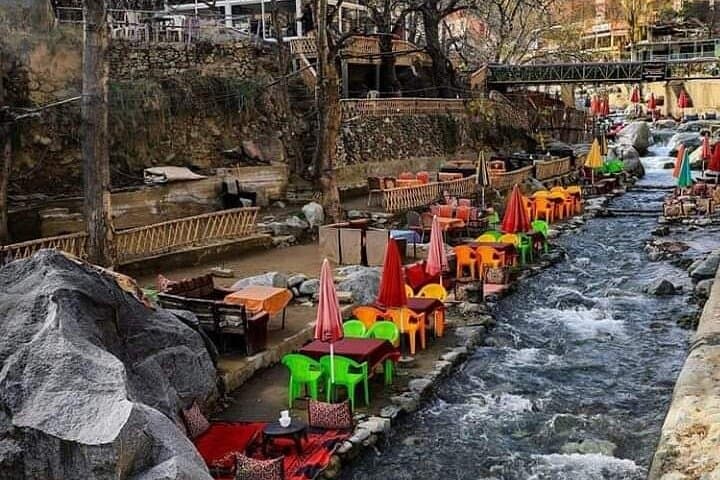
You leave Marrakech behind as the city heat yields to cedar-scented air and the road climbs toward the High Atlas. By the time the minibus threads into the Ourika Valley the river is already daring you forward—cascades chatter, olive groves lean in to watch.
Verified experiences and guided adventures in the surrounding area.
Operated by trekmarrakech · Setti Fatma, Marrakech-Safi
You leave Marrakech behind as the city heat yields to cedar-scented air and the road climbs toward the High Atlas. By the time the minibus threads into the Ourika Valley the river is already daring you forward—cascades chatter, olive groves lean in to watch.
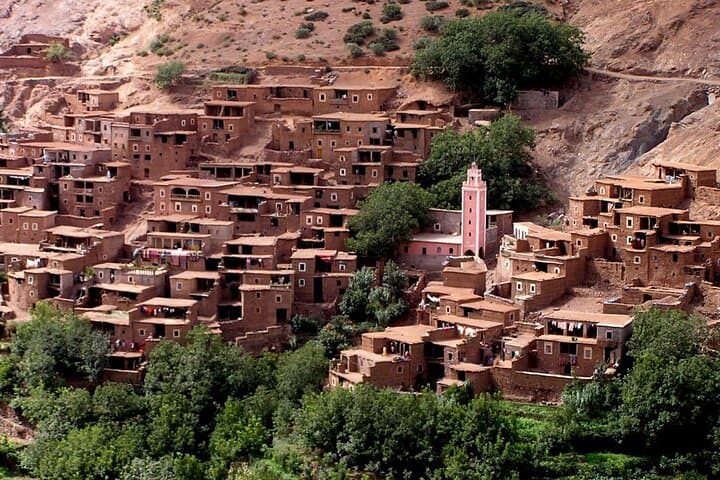
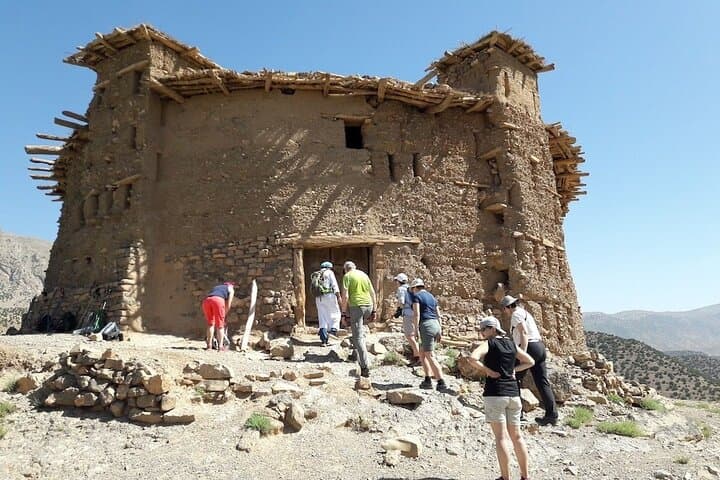
The Ourika Valley is a traditional Berber corridor running up from the plains east of Marrakech. Geologically, the valley cuts into folded schist and limestone of the lower High Atlas; rainfall funnels into a series of seasonal cascades that swell in winter and thin to a ribbon in the heat of late summer. Culturally the route is lined by small Berber villages and terraced plots where argan and olive trees have shaped local life for generations. The tour typically includes a short visit to a women's argan cooperative and a stop in a Berber home to observe daily routines and crafts.
Practically, expect roughly 1.5 hours of driving each way from Marrakech, and 4–5 hours on-site for short walks, lunch, and village visits—total outing around 7–8 hours. The most popular walk to the “seven waterfalls” is a stepped, sometimes rocky trail of about 3 km round-trip with ~200–300 m elevation gain depending on how far you climb; trail shoes and steady footing are recommended. Bring water, sun protection, and modest clothing for village visits. Peak waterfall flow is in late winter/early spring; summer is drier but still pleasant in shade. The trip is an accessible day escape that balances easy cultural stops with a short, rewarding mountain walk.
moderate.
7–8 hours.
Suitable for average fitness; involves a short uphill hike with some uneven steps and 200–300 m elevation gain for those who climb to upper cascades.
Expect about 1.5 hours each way by air-conditioned minibus, depending on traffic and stops.
The main path is short but uneven with stone steps; it’s a moderate walk with roughly 200–300 m elevation gain if you climb to the upper falls.
Lunch at a valley restaurant is usually included or available—menus often feature tagine and local salads; confirm with your operator.
The vehicle and many village areas are accessible, but the waterfall trail has uneven steps—those with limited mobility may remain in village areas.
The Ourika Valley has long been an agricultural corridor for Berber communities; terraces and stone houses reflect centuries of mountain farming and argan/olive cultivation.
Visitors should stick to marked paths and avoid picking plants; many cooperatives practice sustainable argan harvesting—supporting them helps local livelihoods and landscape stewardship.
trekmarrakech operates guided outdoor trips and adventures with an emphasis on safety, stewardship, and memorable experiences.

You leave Marrakech behind as the city heat yields to cedar-scented air and the road climbs toward the High Atlas. By the time the minibus threads into the Ourika Valley the river is already daring you forward—cascades chatter, olive groves lean in to watch.
You leave Marrakech behind as the city heat yields to cedar-scented air and the road climbs toward the High Atlas. By the time the minibus threads into the Ourika Valley the river is already daring you forward—cascades chatter, olive groves lean in to watch.
The Ourika Valley is a traditional Berber corridor running up from the plains east of Marrakech. Geologically, the valley cuts into folded schist and limestone of the lower High Atlas; rainfall funnels into a series of seasonal cascades that swell in winter and thin to a ribbon in the heat of late summer. Culturally the route is lined by small Berber villages and terraced plots where argan and olive trees have shaped local life for generations. The tour typically includes a short visit to a women's argan cooperative and a stop in a Berber home to observe daily routines and crafts.
Practically, expect roughly 1.5 hours of driving each way from Marrakech, and 4–5 hours on-site for short walks, lunch, and village visits—total outing around 7–8 hours. The most popular walk to the “seven waterfalls” is a stepped, sometimes rocky trail of about 3 km round-trip with ~200–300 m elevation gain depending on how far you climb; trail shoes and steady footing are recommended. Bring water, sun protection, and modest clothing for village visits. Peak waterfall flow is in late winter/early spring; summer is drier but still pleasant in shade. The trip is an accessible day escape that balances easy cultural stops with a short, rewarding mountain walk.