THE ADVENTURE COLLECTIVE® · Independent discovery and booking for outdoor travel

Spend a long day traveling by train and bus from Cusco to the citadel of Machu Picchu. This full-day guided tour covers the main terraces, temples and viewpoints—ideal for travelers with limited time who still want an informed, efficient visit.
Spend a long day traveling by train and bus from Cusco to the citadel of Machu Picchu. This full-day guided tour covers the main terraces, temples and viewpoints—ideal for travelers with limited time who still want an informed, efficient visit.
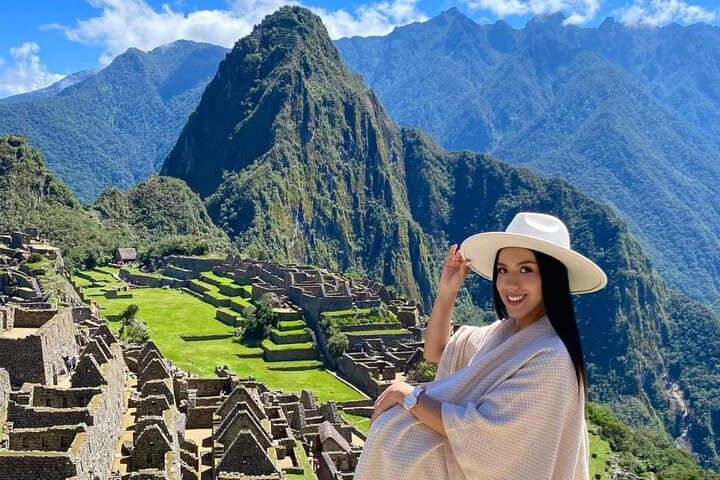
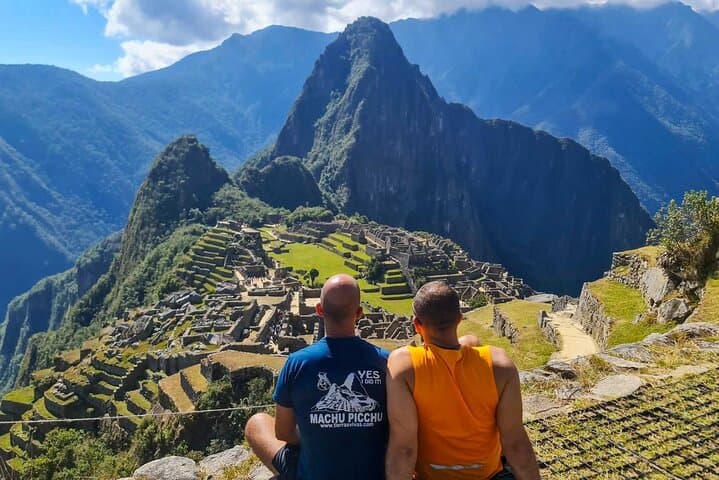
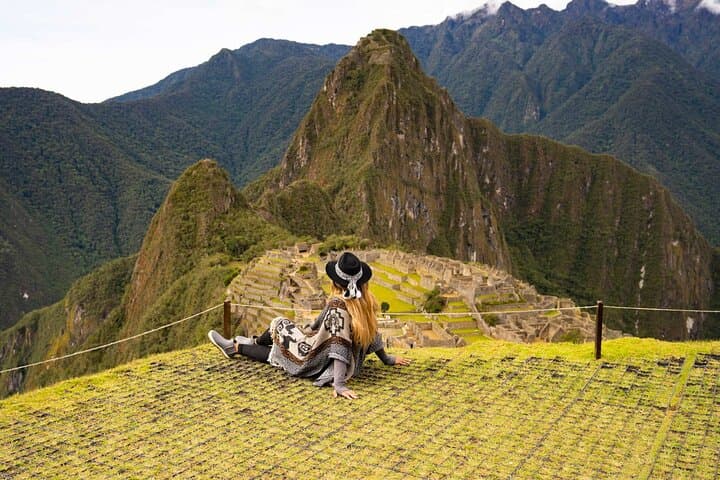
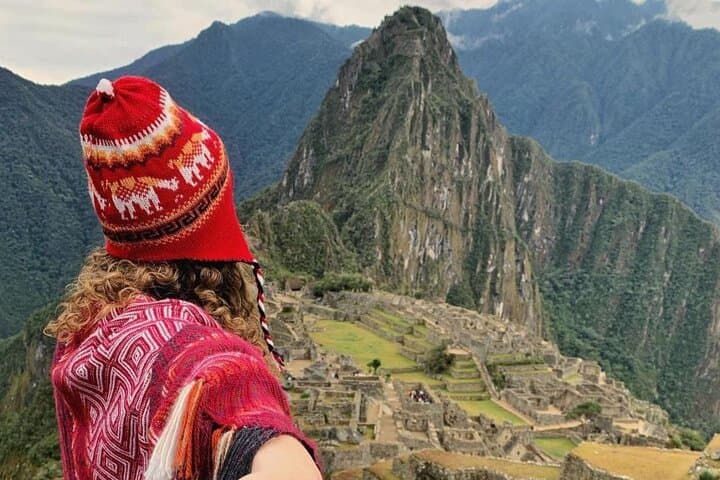
You step off the train into Aguas Calientes and the humid air seems to push you toward the river and the stair-stepped climb above it. The bus snakes up a switchback trail and, as you crest the final turn, Machu Picchu unfolds—stone roofs, terraces, and the mountain silhouette of Huayna Picchu holding court. The citadel’s carved stones and open plazas draw the eye while condors and groups of llamas add motion to the scene.
Verified experiences and guided adventures in the surrounding area.
Operated by ParaViajantes Tours · Aguas Calientes (Machu Picchu Pueblo), Cusco
You step off the train into Aguas Calientes and the humid air seems to push you toward the river and the stair-stepped climb above it. The bus snakes up a switchback trail and, as you crest the final turn, Machu Picchu unfolds—stone roofs, terraces, and the mountain silhouette of Huayna Picchu holding court. The citadel’s carved stones and open plazas draw the eye while condors and groups of llamas add motion to the scene.
Built in the 15th century during the reign of Pachacuti, Machu Picchu blends precise Inca masonry with a landscape shaped by tectonics and millennia of erosion. Terraces fight gravity and channel water; the Urubamba River cuts the valley below, daring you to read the contours of the land. A bilingual guide will walk you through the Temple of the Three Windows, the Intihuatana stone and the agricultural sectors while threading in Inca social organization and construction techniques.
For a practical day: arrive acclimatized—Cusco sits well above the citadel and altitude affects many visitors. Bring layered clothing for rapid weather shifts, a rain layer for afternoon showers (especially in the wet season) and sturdy shoes for uneven stone. Carry water, sunscreen and your passport—the original is required for entry. Expect a 12–14 hour day from early hotel pickup, plus train time to Aguas Calientes and a guided 2–3 hour circuit inside the citadel with additional free time to explore.
Book trains in advance, respect marked trails, and plan for limited refund options; tours can require early pickup and firm schedules. The payoff is direct: standing inside a living archaeological site with one of the clearest demonstrations of Inca engineering and a view that won’t let you go.
moderate.
12–14 hours.
Moderate fitness; able to walk on uneven stone paths and tolerate long days at altitude.
Yes—an original passport with at least 7 months validity is required at the ticket checkpoint.
Guides typically lead a 2–3 hour circuit covering main sectors followed by free time for independent exploration.
Train schedules are subject to availability; changes on short notice are difficult and may incur extra fees.
Access involves steps and uneven ground; the tour is not recommended for travelers who cannot manage moderate walking or have serious mobility constraints.
Machu Picchu was built in the 15th century under Inca ruler Pachacuti and served as a royal estate and religious site integrating sophisticated stonework and water management.
Machu Picchu is a UNESCO World Heritage Site with strict visitor limits and rules—stick to marked paths, avoid drones and carry out trash to protect fragile ruins and ecosystems.
ParaViajantes Tours operates guided outdoor trips and adventures with an emphasis on safety, stewardship, and memorable experiences.
You step off the train into Aguas Calientes and the humid air seems to push you toward the river and the stair-stepped climb above it. The bus snakes up a switchback trail and, as you crest the final turn, Machu Picchu unfolds—stone roofs, terraces, and the mountain silhouette of Huayna Picchu holding court. The citadel’s carved stones and open plazas draw the eye while condors and groups of llamas add motion to the scene.
You step off the train into Aguas Calientes and the humid air seems to push you toward the river and the stair-stepped climb above it. The bus snakes up a switchback trail and, as you crest the final turn, Machu Picchu unfolds—stone roofs, terraces, and the mountain silhouette of Huayna Picchu holding court. The citadel’s carved stones and open plazas draw the eye while condors and groups of llamas add motion to the scene.
Built in the 15th century during the reign of Pachacuti, Machu Picchu blends precise Inca masonry with a landscape shaped by tectonics and millennia of erosion. Terraces fight gravity and channel water; the Urubamba River cuts the valley below, daring you to read the contours of the land. A bilingual guide will walk you through the Temple of the Three Windows, the Intihuatana stone and the agricultural sectors while threading in Inca social organization and construction techniques.
For a practical day: arrive acclimatized—Cusco sits well above the citadel and altitude affects many visitors. Bring layered clothing for rapid weather shifts, a rain layer for afternoon showers (especially in the wet season) and sturdy shoes for uneven stone. Carry water, sunscreen and your passport—the original is required for entry. Expect a 12–14 hour day from early hotel pickup, plus train time to Aguas Calientes and a guided 2–3 hour circuit inside the citadel with additional free time to explore.
Book trains in advance, respect marked trails, and plan for limited refund options; tours can require early pickup and firm schedules. The payoff is direct: standing inside a living archaeological site with one of the clearest demonstrations of Inca engineering and a view that won’t let you go.