THE ADVENTURE COLLECTIVE® · Independent discovery and booking for outdoor travel

Spend a day on a working farm west of Luxor where donkeys lead the tracks, tea is shared in the courtyard, and the Nile’s alluvial soil still dictates the season’s work. This hands-on rural experience pairs gentle rides with farm chores and a home-cooked lunch.
Spend a day on a working farm west of Luxor where donkeys lead the tracks, tea is shared in the courtyard, and the Nile’s alluvial soil still dictates the season’s work. This hands-on rural experience pairs gentle rides with farm chores and a home-cooked lunch.
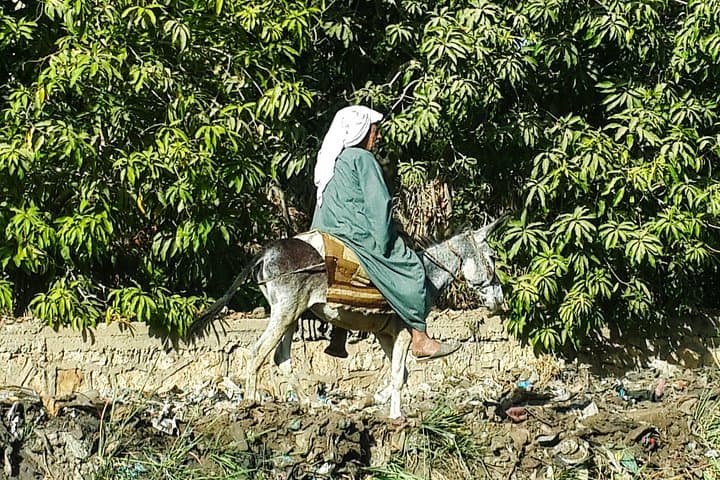
Dawn lifts over the West Bank and the Nile breathes a cool, dusty wind across low fields. You step from a simple farmhouse into rows of green where the soil still smells of river silt; donkeys bray, and a horse shifts impatiently, ready to carry you down a track that has existed in some form since pharaonic times.
Verified experiences and guided adventures in the surrounding area.
Operated by Booking2Egypt · Luxor, Luxor Governorate
Dawn lifts over the West Bank and the Nile breathes a cool, dusty wind across low fields. You step from a simple farmhouse into rows of green where the soil still smells of river silt; donkeys bray, and a horse shifts impatiently, ready to carry you down a track that has existed in some form since pharaonic times.
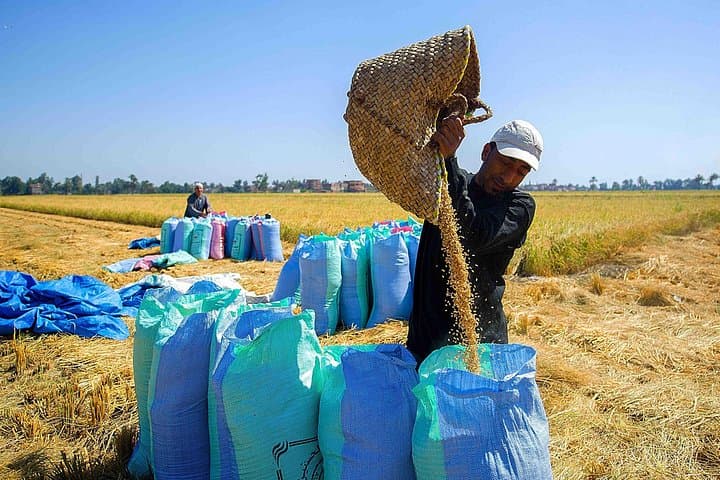
This full-day experience places you in the rhythm of Luxor’s agricultural life: planting, harvesting, and tending to crops fed by the Nile’s alluvium. The land here is shaped by annual floods and centuries of irrigation engineering — techniques that underpinned ancient Egyptian civilization and still guide local farmers. Cultural notes come easily: tea shared in a shaded courtyard, stories of harvest seasons, and a simple farmhouse kitchen serving a farm-cooked lunch.
Terrain is flat and unpaved; expect packed dirt, irrigated furrows, and short walks between plots. Donkey and horse rides offer a low-impact way to traverse fields, useful for guests who prefer to limit foot miles. The day mixes observational learning with hands-on tasks — planting or feeding animals — and culminates in a communal meal served at the farm.
Practical guidance: plan for 6–8 hours on-site, wear sturdy closed-toe shoes and sun protection, and bring a refillable bottle even though bottled water is provided. Respect local customs: dress modestly, accept offered tea, and ask before photographing people. The farm tour is ideal for travelers curious about rural Egyptian life and looking for an easy-paced, culturally immersive day outside Luxor’s tourist circuit.
easy.
6–8 hours.
Suitable for most fitness levels; requires short walks on flat, uneven ground and the ability to mount a donkey or horse if participating in rides.
Yes — the tour includes pickup and drop-off from hotels in Luxor as part of the private transfer service.
Lunch, soft drinks, tea or coffee, and bottled water are included and served at the farmhouse.
Yes — the activity is described as suitable for all fitness levels; children can ride donkeys but should be supervised by adults and handlers.
Modest, breathable clothing that covers shoulders and knees, closed-toe shoes for fieldwork, and sun protection are recommended.
This valley of the Nile has been farmed continuously since ancient Egyptian times; traditional irrigation and land division still echo pharaonic agricultural practices.
Visitors should minimize plastic waste, stay on designated paths to protect crops, and support the farm by respecting local customs and compensating staff fairly.
Booking2Egypt operates guided outdoor trips and adventures with an emphasis on safety, stewardship, and memorable experiences.
Dawn lifts over the West Bank and the Nile breathes a cool, dusty wind across low fields. You step from a simple farmhouse into rows of green where the soil still smells of river silt; donkeys bray, and a horse shifts impatiently, ready to carry you down a track that has existed in some form since pharaonic times.
Dawn lifts over the West Bank and the Nile breathes a cool, dusty wind across low fields. You step from a simple farmhouse into rows of green where the soil still smells of river silt; donkeys bray, and a horse shifts impatiently, ready to carry you down a track that has existed in some form since pharaonic times.
This full-day experience places you in the rhythm of Luxor’s agricultural life: planting, harvesting, and tending to crops fed by the Nile’s alluvium. The land here is shaped by annual floods and centuries of irrigation engineering — techniques that underpinned ancient Egyptian civilization and still guide local farmers. Cultural notes come easily: tea shared in a shaded courtyard, stories of harvest seasons, and a simple farmhouse kitchen serving a farm-cooked lunch.
Terrain is flat and unpaved; expect packed dirt, irrigated furrows, and short walks between plots. Donkey and horse rides offer a low-impact way to traverse fields, useful for guests who prefer to limit foot miles. The day mixes observational learning with hands-on tasks — planting or feeding animals — and culminates in a communal meal served at the farm.
Practical guidance: plan for 6–8 hours on-site, wear sturdy closed-toe shoes and sun protection, and bring a refillable bottle even though bottled water is provided. Respect local customs: dress modestly, accept offered tea, and ask before photographing people. The farm tour is ideal for travelers curious about rural Egyptian life and looking for an easy-paced, culturally immersive day outside Luxor’s tourist circuit.