THE ADVENTURE COLLECTIVE® · Independent discovery and booking for outdoor travel

A fast-paced day tour linking Armenia’s top historical and geological sites — Garni, Geghard, Noravank, Tatev, Khor Virap and Jermuk. Expect lots of driving, short guided stops, sweeping views and a crash-course in Armenia’s landscape and religious history.
A fast-paced day tour linking Armenia’s top historical and geological sites — Garni, Geghard, Noravank, Tatev, Khor Virap and Jermuk. Expect lots of driving, short guided stops, sweeping views and a crash-course in Armenia’s landscape and religious history.
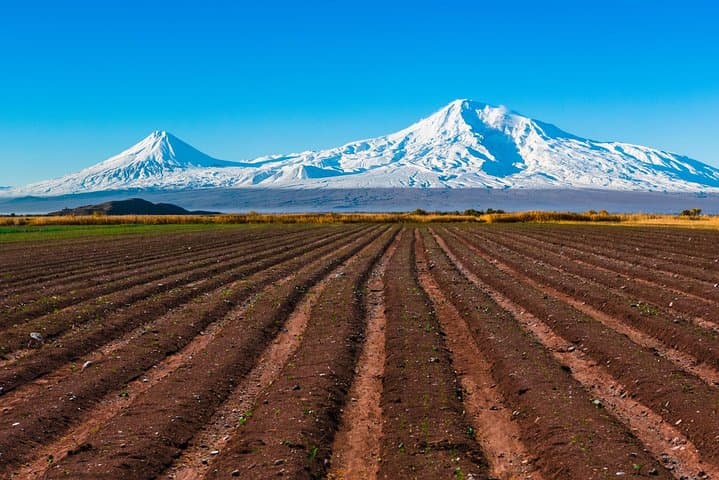
You step out of an air-conditioned minibus into the cold shadow of an ancient temple, Mt. Ararat looming faint on the horizon. Over the next long day the road will thread volcanic plateaus, red-rock gorges and highland towns — each stop a sharp change of light, stone and history.
Verified experiences and guided adventures in the surrounding area.
Operated by Link to Armenia · Yerevan, Yerevan Province
You step out of an air-conditioned minibus into the cold shadow of an ancient temple, Mt. Ararat looming faint on the horizon. Over the next long day the road will thread volcanic plateaus, red-rock gorges and highland towns — each stop a sharp change of light, stone and history.
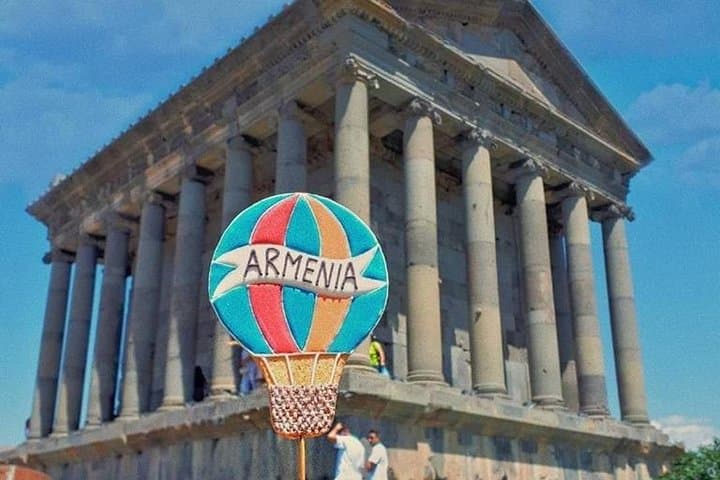
The route stitches Armenia’s landmarks together: Garni’s classical Hellenistic temple perched on basalt columns; Geghard, the rock-cut monastery where sanctuaries hollowed from cliffs house centuries of carved khachkars; Noravank’s fluted red limestone ramparts; Tatev, reachable by the world's longest reversible ropeway across a ravine; Khor Virap with its iconic view of Ararat and deep monastic prison; and Jermuk, a spa town known for mineral springs and a cascading waterfall. Geology here tells the story: Pliocene volcanics created the basalt tongues at Garni while erosion carved the dramatic gorges around Noravank and Tatev.
Expect a busy, itinerary-driven day: short guided stops, photo windows and time-limited access inside some monasteries. Food options range from roadside cafes to picnic stops; bring cash if you want local snacks. Wear comfortable walking shoes and layers — mountain sun can shift quickly and many sites sit exposed on windswept ridges. Phones photograph well but battery and storage fill fast; bring a power bank.
This tour is best for travelers who want a crash-course in Armenia’s architecture, landscapes and faith heritage in one long, social day. Prepare for significant driving between sites and a fast pace; the reward is a compact, panoramic primer on a country whose stones keep a long memory.
moderate.
4–8 hours.
Suitable for travelers in average fitness; involves short walks, steps and standing at viewpoints.
This is a long-day tour with several hours of driving between sites; expect multiple short stops rather than extended stays.
Some sites may include admission but verify before booking — the itinerary notes that stops and admissions can vary by group.
The tour is physically easy (short walks and steps) but long in duration; consider mobility and tolerance for extended vehicle time.
Yes — there are scheduled breaks for lunch and snacks, but options can be basic; carrying snacks and small change is recommended.
Armenia was the first nation to adopt Christianity as a state religion in 301 AD; many monasteries on this route preserve medieval churches and carved stone crosses (khachkars).
High visitor numbers can stress fragile cliffside sites and steppe vegetation — stick to paths, avoid touching delicate masonry and take all waste with you.
Link to Armenia operates guided outdoor trips and adventures with an emphasis on safety, stewardship, and memorable experiences.
You step out of an air-conditioned minibus into the cold shadow of an ancient temple, Mt. Ararat looming faint on the horizon. Over the next long day the road will thread volcanic plateaus, red-rock gorges and highland towns — each stop a sharp change of light, stone and history.
You step out of an air-conditioned minibus into the cold shadow of an ancient temple, Mt. Ararat looming faint on the horizon. Over the next long day the road will thread volcanic plateaus, red-rock gorges and highland towns — each stop a sharp change of light, stone and history.
The route stitches Armenia’s landmarks together: Garni’s classical Hellenistic temple perched on basalt columns; Geghard, the rock-cut monastery where sanctuaries hollowed from cliffs house centuries of carved khachkars; Noravank’s fluted red limestone ramparts; Tatev, reachable by the world's longest reversible ropeway across a ravine; Khor Virap with its iconic view of Ararat and deep monastic prison; and Jermuk, a spa town known for mineral springs and a cascading waterfall. Geology here tells the story: Pliocene volcanics created the basalt tongues at Garni while erosion carved the dramatic gorges around Noravank and Tatev.
Expect a busy, itinerary-driven day: short guided stops, photo windows and time-limited access inside some monasteries. Food options range from roadside cafes to picnic stops; bring cash if you want local snacks. Wear comfortable walking shoes and layers — mountain sun can shift quickly and many sites sit exposed on windswept ridges. Phones photograph well but battery and storage fill fast; bring a power bank.
This tour is best for travelers who want a crash-course in Armenia’s architecture, landscapes and faith heritage in one long, social day. Prepare for significant driving between sites and a fast pace; the reward is a compact, panoramic primer on a country whose stones keep a long memory.