THE ADVENTURE COLLECTIVE® · Independent discovery and booking for outdoor travel

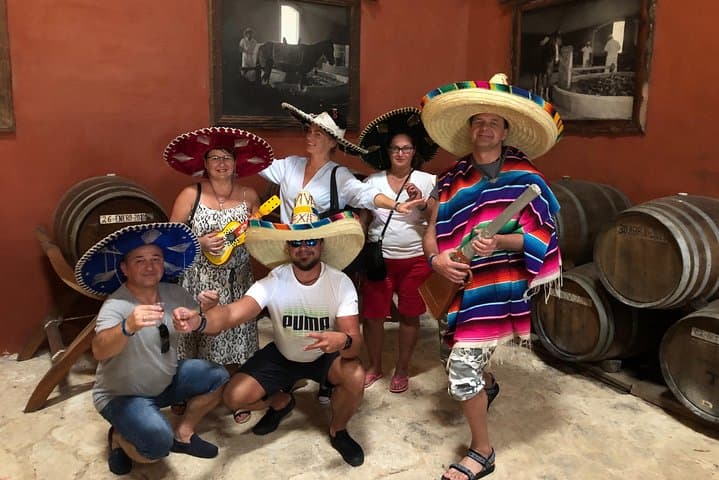
See three major Mayan sites and a cenote in one long day from Playa del Carmen. This full-day, guided circuit pairs coastal ruins, jungle pyramids and a cool cenote swim with a tequila stop.
See three major Mayan sites and a cenote in one long day from Playa del Carmen. This full-day, guided circuit pairs coastal ruins, jungle pyramids and a cool cenote swim with a tequila stop.
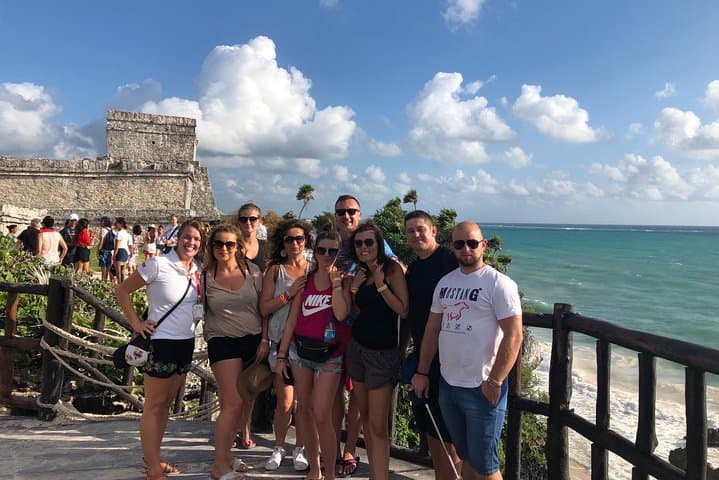
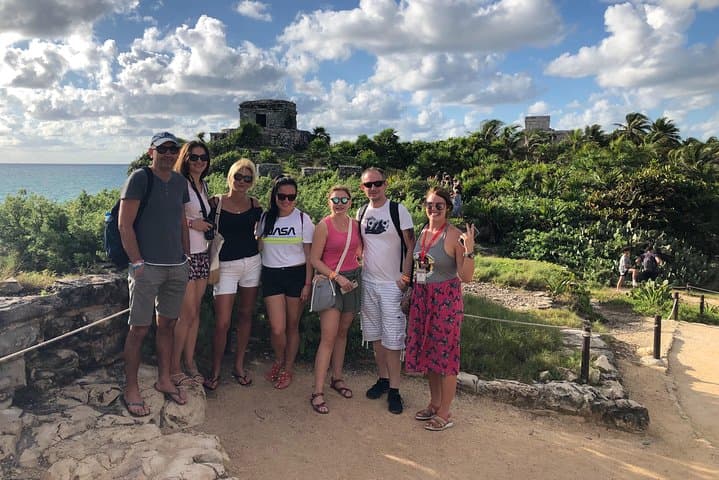
Morning light slices across limestone and jungle as an air-conditioned van eases out of Playa del Carmen, the Caribbean shrinking behind a ribbon of highway. By midday the coast gives way to low, scrubby forest; at Tulum the sea pushes turquoise against cliffs and the ruins stare back — weathered stone that still holds the choreography of an ancient port city.
Verified experiences and guided adventures in the surrounding area.
Operated by MEKSYKANKA · Playa del Carmen, Quintana Roo
Morning light slices across limestone and jungle as an air-conditioned van eases out of Playa del Carmen, the Caribbean shrinking behind a ribbon of highway. By midday the coast gives way to low, scrubby forest; at Tulum the sea pushes turquoise against cliffs and the ruins stare back — weathered stone that still holds the choreography of an ancient port city.
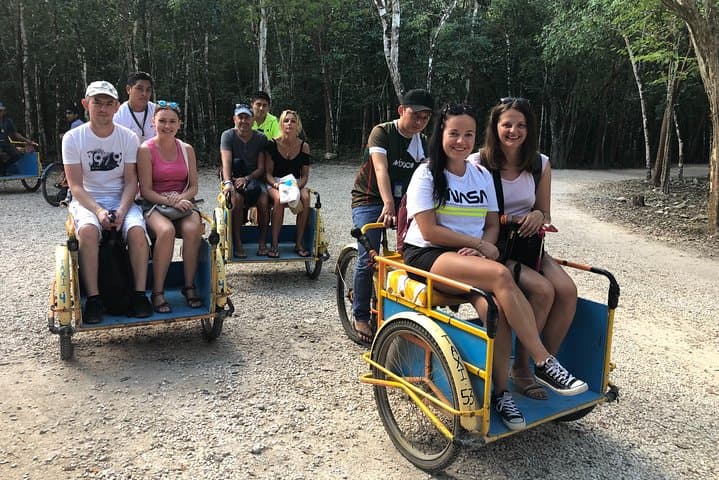
The route moves inland to Coba, where broad stone causeways once connected settlements and the Great Pyramid rises through foliage that dares you to climb its 42 meters for a frameless view over crown-shaped canopy. Geology here is limestone karst: sinkholes, underground rivers and the cenotes that feed them. Ik Kil offers a cool plunge into a collapsed cavern — a natural swimming hole tied to Mayan ritual and hydrology.
Chichén Itzá finishes the circuit with engineered precision: Kukulkan’s pyramid aligns to equinox shadows, the ballcourt echoes contests that shaped politics and faith, and the observatory speaks to ancient astronomy.
For travelers the day is a compact primer in Maya history and Yucatán’s karst landscape: plan for long walking stretches, open sun, and brief swims. Carry sun protection, a refillable water bottle, and shoes that grip limestone and packed earth. Bring small cash for markets and expect guided interpretation at each site. The rhythm of the day alternates active climbs, shaded bike rides through jungle at Coba, and cooler cenote breaks — a practical, immersive intro to southern Mexico’s archaeology and natural geography.
easy.
10–12 hours.
Light aerobic fitness; able to walk several kilometers and climb short stone staircases.
The full-day tour runs about 12 hours; typical stops allot ~2 hours at Tulum, 1 hour biking at Coba, 30–60 minutes at the cenote, and ~2 hours at Chichén Itzá, plus transit and a tequila stop.
Yes — the operator lists the trip as physically easy and family-friendly, though some pyramid climbs and walking can be strenuous for those with mobility issues.
Yes — Ik Kil permits swimming, the descent is steep and life jackets and lockers are available for rent; children must be supervised.
Current regulations typically prohibit climbing Kukulkan’s pyramid, though climbing at Coba’s large pyramid (approximately 42 m) is often allowed; follow onsite rules and guides’ instructions.
These sites span centuries of Maya civilization—Tulum was a coastal trading post, Coba a regional hub connected by sacbés (stone causeways), and Chichén Itzá a major political and ceremonial center.
Visit with respect: stick to marked paths, avoid touching carvings, and support local guides and vendors to help fund site maintenance and community conservation.
MEKSYKANKA operates guided outdoor trips and adventures with an emphasis on safety, stewardship, and memorable experiences.
Morning light slices across limestone and jungle as an air-conditioned van eases out of Playa del Carmen, the Caribbean shrinking behind a ribbon of highway. By midday the coast gives way to low, scrubby forest; at Tulum the sea pushes turquoise against cliffs and the ruins stare back — weathered stone that still holds the choreography of an ancient port city.
Morning light slices across limestone and jungle as an air-conditioned van eases out of Playa del Carmen, the Caribbean shrinking behind a ribbon of highway. By midday the coast gives way to low, scrubby forest; at Tulum the sea pushes turquoise against cliffs and the ruins stare back — weathered stone that still holds the choreography of an ancient port city.
The route moves inland to Coba, where broad stone causeways once connected settlements and the Great Pyramid rises through foliage that dares you to climb its 42 meters for a frameless view over crown-shaped canopy. Geology here is limestone karst: sinkholes, underground rivers and the cenotes that feed them. Ik Kil offers a cool plunge into a collapsed cavern — a natural swimming hole tied to Mayan ritual and hydrology.
Chichén Itzá finishes the circuit with engineered precision: Kukulkan’s pyramid aligns to equinox shadows, the ballcourt echoes contests that shaped politics and faith, and the observatory speaks to ancient astronomy.
For travelers the day is a compact primer in Maya history and Yucatán’s karst landscape: plan for long walking stretches, open sun, and brief swims. Carry sun protection, a refillable water bottle, and shoes that grip limestone and packed earth. Bring small cash for markets and expect guided interpretation at each site. The rhythm of the day alternates active climbs, shaded bike rides through jungle at Coba, and cooler cenote breaks — a practical, immersive intro to southern Mexico’s archaeology and natural geography.