THE ADVENTURE COLLECTIVE® · Independent discovery and booking for outdoor travel

Spend a full day exploring Akagera National Park from Kigali—woodland, savannah and Lake Ihema offer hippos, shoebills and restored big game. This practical guide covers what you’ll see and how to prepare for an eight‑hour game drive.
Spend a full day exploring Akagera National Park from Kigali—woodland, savannah and Lake Ihema offer hippos, shoebills and restored big game. This practical guide covers what you’ll see and how to prepare for an eight‑hour game drive.
Early light strips the hills east of Kigali as a private 4x4 eases toward Akagera’s gate, the bush ahead already stirring—hippo grunts from the reed edges of Lake Ihema, and a troop of warthogs moves with a nervous purpose across low savannah.
Verified experiences and guided adventures in the surrounding area.
Operated by Wild Hikes Rwanda · Kayonza, Eastern Province
Early light strips the hills east of Kigali as a private 4x4 eases toward Akagera’s gate, the bush ahead already stirring—hippo grunts from the reed edges of Lake Ihema, and a troop of warthogs moves with a nervous purpose across low savannah.
Akagera National Park sits along the Rwanda–Tanzania border where woodland, swamps, low mountains and open grassland meet. Created in the 1930s, the park’s modern chapter is one of recovery: reintroductions and anti-poaching efforts have restored populations of elephants, lions and even rhino in recent years. Geologically, the park traces the western flank of the East African Rift; lakes and marshes collect runoff from red lateritic soils, producing the seasonal moods that shape wildlife movements.
Cultural threads run through the drive — local communities near the park edge manage buffer lands and guide small-scale tourism enterprises that benefit from visitation. Birdlife here is a highlight: keen eyes can find the shoebill among reedy lagoons while raptors quarter the plains.
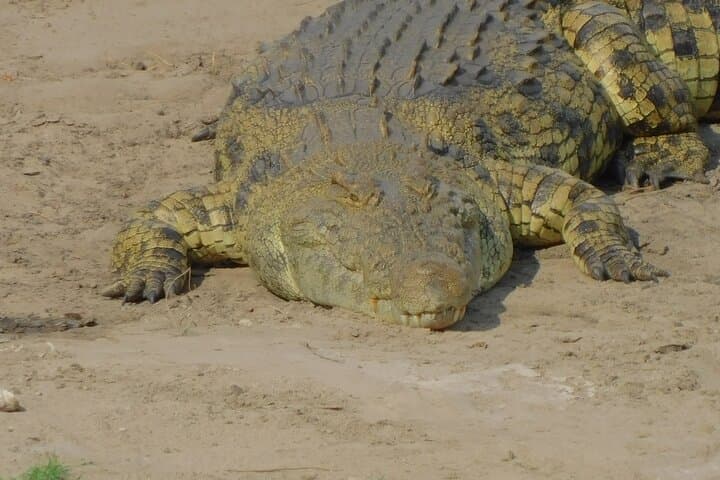
Practical guidance: this is a full-day experience (about eight hours) best started at dawn when wildlife is active and light is clean for photography. Expect long vehicle stints with short, guided walks or viewpoints; bring sunscreen, a brimmed hat, binoculars and layered clothing for cool mornings. Stick to your guide’s instructions around lakes—hippos and crocodiles claim the water. Pack water and insect repellent, and budget time to enjoy a lakeside lunch included in most tours.
moderate.
8 hours.
Suitable for travelers in average physical condition who can sit for long periods and handle short walks on uneven ground
Door‑to‑door the excursion is about eight hours total, with roughly a 2–3 hour drive each way depending on traffic and your pickup point.
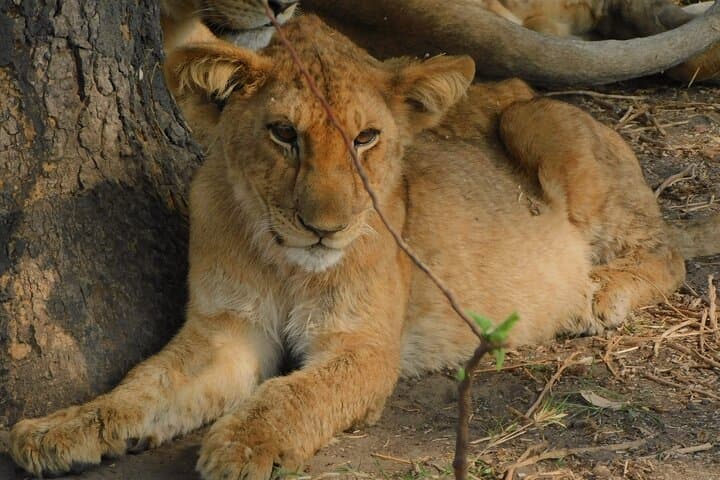
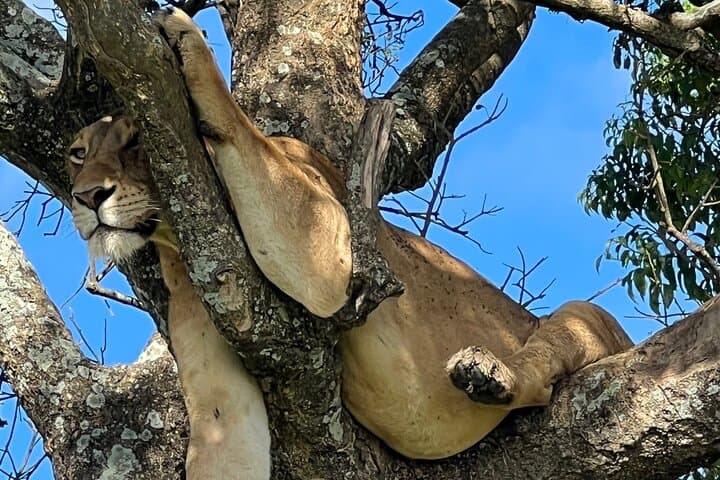
Akagera supports elephants and lions; sightings depend on season and luck—rhino have been reintroduced but are rare to encounter on a single day visit.
Most private day tours include bottled water, lunch, park entry and a guide; confirm specific inclusions at booking.
Not recommended for pregnant travelers or those with serious spinal or heart conditions; children are welcome but should follow guide safety rules and remain seated during drives.
Akagera was designated a protected area in the 1930s; decades of conservation and reintroduction programs have reshaped the park’s wildlife since the early 2000s.
Rwanda partners with community programs and ranger patrols to limit poaching and promote sustainable tourism; visitors are asked to minimize noise and avoid feeding wildlife.
Wild Hikes Rwanda operates guided outdoor trips and adventures with an emphasis on safety, stewardship, and memorable experiences.
Early light strips the hills east of Kigali as a private 4x4 eases toward Akagera’s gate, the bush ahead already stirring—hippo grunts from the reed edges of Lake Ihema, and a troop of warthogs moves with a nervous purpose across low savannah.
Early light strips the hills east of Kigali as a private 4x4 eases toward Akagera’s gate, the bush ahead already stirring—hippo grunts from the reed edges of Lake Ihema, and a troop of warthogs moves with a nervous purpose across low savannah.
Akagera National Park sits along the Rwanda–Tanzania border where woodland, swamps, low mountains and open grassland meet. Created in the 1930s, the park’s modern chapter is one of recovery: reintroductions and anti-poaching efforts have restored populations of elephants, lions and even rhino in recent years. Geologically, the park traces the western flank of the East African Rift; lakes and marshes collect runoff from red lateritic soils, producing the seasonal moods that shape wildlife movements.
Cultural threads run through the drive — local communities near the park edge manage buffer lands and guide small-scale tourism enterprises that benefit from visitation. Birdlife here is a highlight: keen eyes can find the shoebill among reedy lagoons while raptors quarter the plains.
Practical guidance: this is a full-day experience (about eight hours) best started at dawn when wildlife is active and light is clean for photography. Expect long vehicle stints with short, guided walks or viewpoints; bring sunscreen, a brimmed hat, binoculars and layered clothing for cool mornings. Stick to your guide’s instructions around lakes—hippos and crocodiles claim the water. Pack water and insect repellent, and budget time to enjoy a lakeside lunch included in most tours.