THE ADVENTURE COLLECTIVE® · Independent discovery and booking for outdoor travel

Make the long-day jump from Kolkata to Agra and back: fly early, tour the Taj Mahal and Agra Fort, then return the same evening. This private transfer package handles flights and ground logistics so you can focus on two of India’s most iconic sites.
Make the long-day jump from Kolkata to Agra and back: fly early, tour the Taj Mahal and Agra Fort, then return the same evening. This private transfer package handles flights and ground logistics so you can focus on two of India’s most iconic sites.
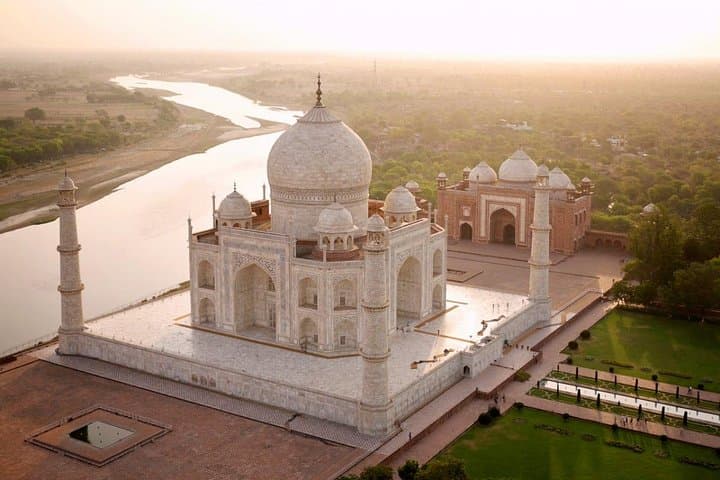
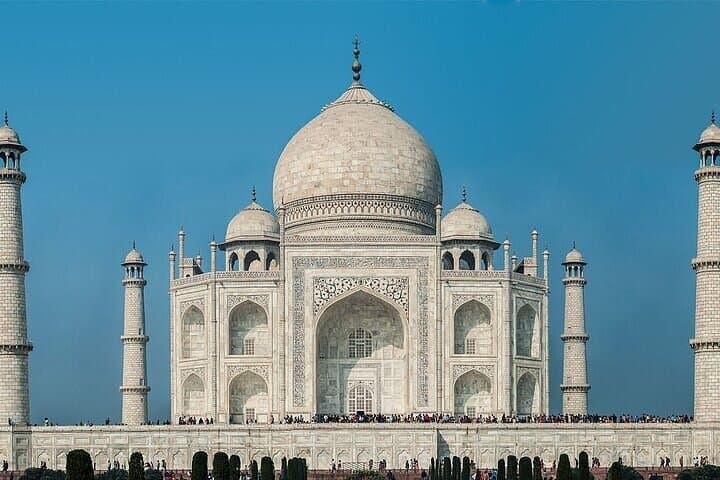
Before sunrise the day starts in Kolkata: a short airport check-in, an early flight, and the hurry that comes with a long day of travel. By mid-morning you’re rolling across the flat plains toward Agra, and the white mass of the Taj Mahal first appears against the river-swept skyline like a deliberate pause in the landscape.
Verified experiences and guided adventures in the surrounding area.
Operated by SITA World Tours · Agra, Uttar Pradesh
Before sunrise the day starts in Kolkata: a short airport check-in, an early flight, and the hurry that comes with a long day of travel. By mid-morning you’re rolling across the flat plains toward Agra, and the white mass of the Taj Mahal first appears against the river-swept skyline like a deliberate pause in the landscape.
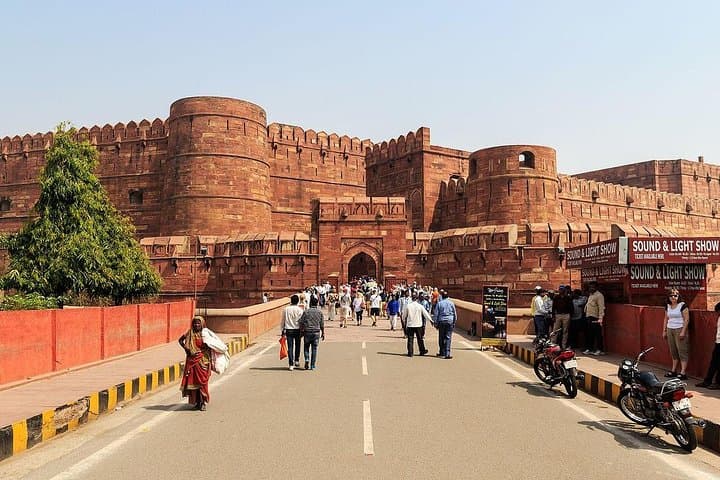
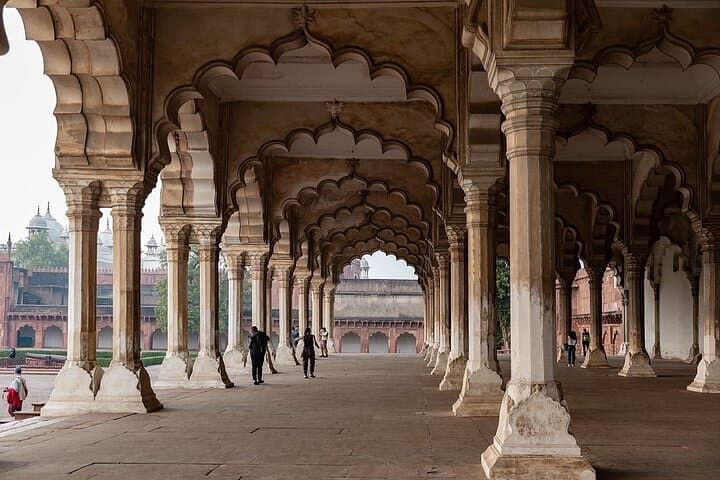
The mausoleum was commissioned by Shah Jahan in the 17th century in memory of Mumtaz Mahal; its Makrana marble reads like history carved into stone. Nearby Agra Fort, built earlier under Emperor Akbar, speaks to the city’s Mughal role as a political and architectural hub. Geologically, the marble’s polish and the Yamuna’s floodplain shaped both visibility and access—river breezes historically cooled the compound and still push dust across the gardens.
Culturally, Agra is more than monuments: local markets sell pigeon-shaped clay whistles, saffron sweets, and inlaid marble craft that continue centuries-old trades. Practicalities determine your day: Taj Mahal is closed on Fridays, security is strict, and time in Agra is tight—expect two hours at each major site and considerable transfer time.
Bring valid ID (passport), plan flights that leave margin for delays, and schedule visits in the cooler morning or late afternoon light. Wear comfortable shoes for flagstones and carry water—Delhi–Agra driving can be hot and dusty. For photographers, sunrise and late afternoon give the cleanest light; for planners, confirm return flights and local transfers in advance. This is a long but efficient way to see two UNESCO highlights in a single, exhaustively scheduled day.
moderate.
Approximately 18 hours (full-day round trip).
Moderate fitness recommended—expect long periods of standing and walking on hard surfaces plus travel fatigue
Yes—economy-class Kolkata–Delhi–Kolkata flights are included, subject to seat availability; confirm flight times at booking.
No—entrance fees are generally not included; visitors purchase tickets on arrival unless stated otherwise.
No—the Taj Mahal is closed on Fridays for congregational prayers; plan your day accordingly.
Bring your passport (original) for airline travel and ID checks; names must match booking information.
The Taj Mahal was begun by Shah Jahan in 1632 and involved thousands of artisans; Agra Fort predates it and served as the Mughal political center.
Agra is part of the 'Taj Trapezium Zone' with emission controls to protect marble; visitors should avoid littering and stick to designated paths to limit wear.
SITA World Tours operates guided outdoor trips and adventures with an emphasis on safety, stewardship, and memorable experiences.
Before sunrise the day starts in Kolkata: a short airport check-in, an early flight, and the hurry that comes with a long day of travel. By mid-morning you’re rolling across the flat plains toward Agra, and the white mass of the Taj Mahal first appears against the river-swept skyline like a deliberate pause in the landscape.
Before sunrise the day starts in Kolkata: a short airport check-in, an early flight, and the hurry that comes with a long day of travel. By mid-morning you’re rolling across the flat plains toward Agra, and the white mass of the Taj Mahal first appears against the river-swept skyline like a deliberate pause in the landscape.
The mausoleum was commissioned by Shah Jahan in the 17th century in memory of Mumtaz Mahal; its Makrana marble reads like history carved into stone. Nearby Agra Fort, built earlier under Emperor Akbar, speaks to the city’s Mughal role as a political and architectural hub. Geologically, the marble’s polish and the Yamuna’s floodplain shaped both visibility and access—river breezes historically cooled the compound and still push dust across the gardens.
Culturally, Agra is more than monuments: local markets sell pigeon-shaped clay whistles, saffron sweets, and inlaid marble craft that continue centuries-old trades. Practicalities determine your day: Taj Mahal is closed on Fridays, security is strict, and time in Agra is tight—expect two hours at each major site and considerable transfer time.
Bring valid ID (passport), plan flights that leave margin for delays, and schedule visits in the cooler morning or late afternoon light. Wear comfortable shoes for flagstones and carry water—Delhi–Agra driving can be hot and dusty. For photographers, sunrise and late afternoon give the cleanest light; for planners, confirm return flights and local transfers in advance. This is a long but efficient way to see two UNESCO highlights in a single, exhaustively scheduled day.