THE ADVENTURE COLLECTIVE® · Independent discovery and booking for outdoor travel

Bike 15 km through Berlin’s most intense historical sites — from the Führerbunker’s erased footprint to original East German watchtowers. This three-hour guided tour blends urban cycling with clear-eyed history and practical route notes for first-time visitors.
Bike 15 km through Berlin’s most intense historical sites — from the Führerbunker’s erased footprint to original East German watchtowers. This three-hour guided tour blends urban cycling with clear-eyed history and practical route notes for first-time visitors.
Morning air over Nikolaiviertel smells of bakery yeast and damp cobbles as riders clip in and straighten handlebars. The TV Tower looms a few minutes away; guides tune the group's cadence and point across a flat, wide city whose streets still show seams of twentieth-century fractures.
Verified experiences and guided adventures in the surrounding area.
Operated by FREE BERLIN Bike Tours · Berlin, Berlin
Morning air over Nikolaiviertel smells of bakery yeast and damp cobbles as riders clip in and straighten handlebars. The TV Tower looms a few minutes away; guides tune the group's cadence and point across a flat, wide city whose streets still show seams of twentieth-century fractures.
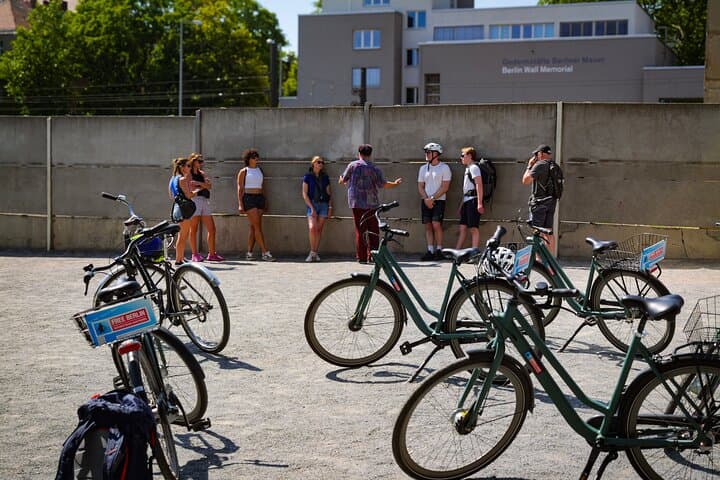
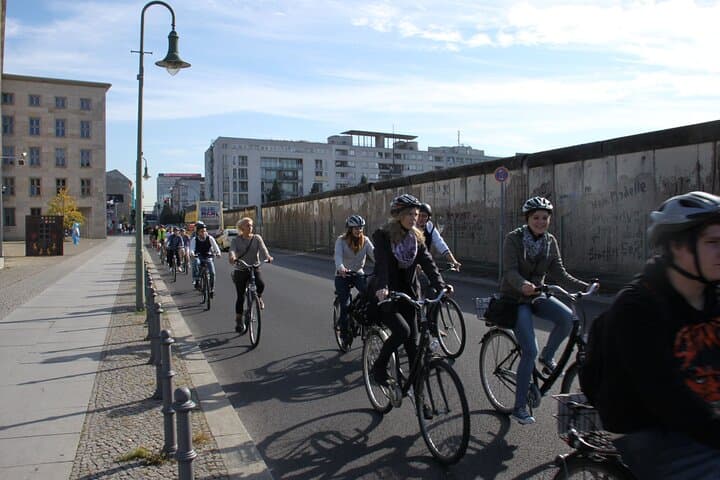
The route lays out 15 kilometers of Berlin's most charged history: from the faded footprint of the Führerbunker to the cracked concrete remains of Bernauer Straße. Geology here is simple — a low, glacial plain cut by the Spree, which nudges the city with quiet canals that once marked borders. Culturally, the tour moves between memorials and repurposed spaces: watchtowers preserved as warnings, flea markets that repurpose former borderlands into weekend life.
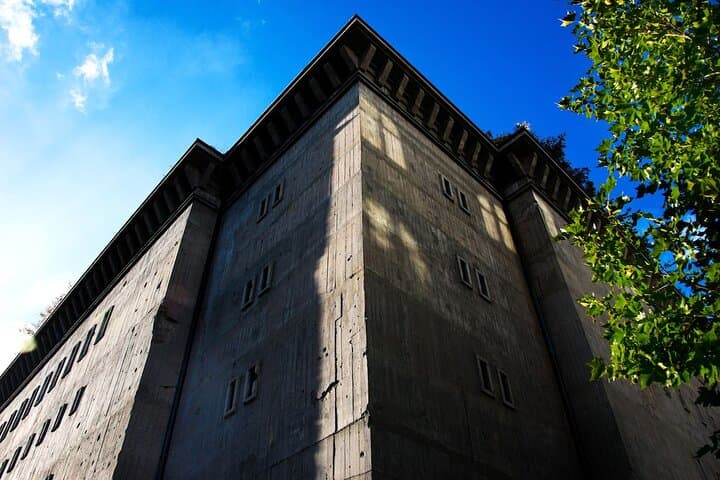
Expect purposeful storytelling rather than polemics; guides link Nazi urban plans, the spectacle of Speer’s unrealized Germania, and Cold War checkpoint theater into a single three-hour arc. Riders see ghost stations, original watchtowers and the Topography of Terror from the saddle, learning how infrastructure became ideology.
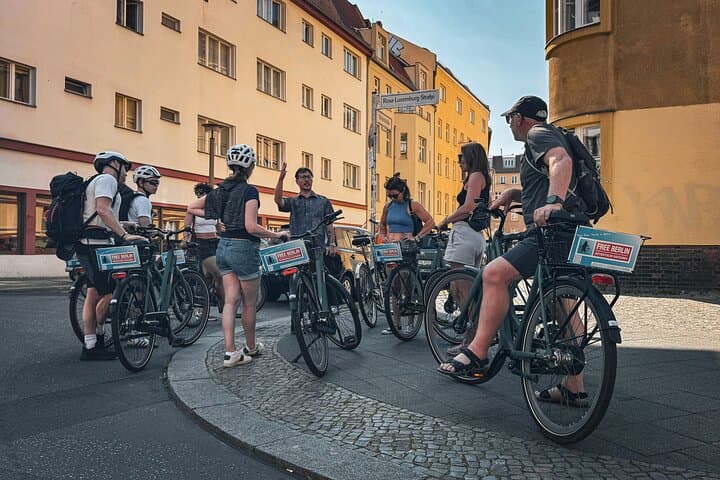
Practically: the ride is urban and mostly flat, about 15 km at an easy pace with frequent stops. Helmets and bikes are supplied; bring a small daypack, water, layered clothing, and a transit card if you plan to extend the day. The tour suits families and history-minded riders; be ready for city traffic, cobbles, and short walking segments near memorials. Arrive 10–15 minutes early to choose a bike and ask your guide about tailoring the route.
easy.
3 hours.
Basic cycling fitness — comfortable riding 15 km on flat urban terrain and dismounting for short walks
Yes — the operator provides child seats on request and the pace is family-friendly, but children should be comfortable on a bike for up to three hours.
Tours operate in English and German depending on option selected; check booking details and request your language preference.
The meeting point is in Nikolaiviertel near the TV Tower/Alexanderplatz; you’ll receive precise directions with your booking confirmation.
Full refunds are available if you cancel at least 24 hours before the scheduled departure; last-minute cancellations are not refundable.
This tour threads two weighty eras: Nazi-era plans for a monumental Germania and the Cold War’s physical division, visible today in preserved watchtowers and fragments of the Berlin Wall.
Respect memorial sites and signs — many are protected. Cycling is a low-impact way to see the city, but stay on paths and avoid climbing on memorial structures.
FREE BERLIN Bike Tours operates guided outdoor trips and adventures with an emphasis on safety, stewardship, and memorable experiences.
Morning air over Nikolaiviertel smells of bakery yeast and damp cobbles as riders clip in and straighten handlebars. The TV Tower looms a few minutes away; guides tune the group's cadence and point across a flat, wide city whose streets still show seams of twentieth-century fractures.
Morning air over Nikolaiviertel smells of bakery yeast and damp cobbles as riders clip in and straighten handlebars. The TV Tower looms a few minutes away; guides tune the group's cadence and point across a flat, wide city whose streets still show seams of twentieth-century fractures.
The route lays out 15 kilometers of Berlin's most charged history: from the faded footprint of the Führerbunker to the cracked concrete remains of Bernauer Straße. Geology here is simple — a low, glacial plain cut by the Spree, which nudges the city with quiet canals that once marked borders. Culturally, the tour moves between memorials and repurposed spaces: watchtowers preserved as warnings, flea markets that repurpose former borderlands into weekend life.
Expect purposeful storytelling rather than polemics; guides link Nazi urban plans, the spectacle of Speer’s unrealized Germania, and Cold War checkpoint theater into a single three-hour arc. Riders see ghost stations, original watchtowers and the Topography of Terror from the saddle, learning how infrastructure became ideology.
Practically: the ride is urban and mostly flat, about 15 km at an easy pace with frequent stops. Helmets and bikes are supplied; bring a small daypack, water, layered clothing, and a transit card if you plan to extend the day. The tour suits families and history-minded riders; be ready for city traffic, cobbles, and short walking segments near memorials. Arrive 10–15 minutes early to choose a bike and ask your guide about tailoring the route.