THE ADVENTURE COLLECTIVE® · Independent discovery and booking for outdoor travel

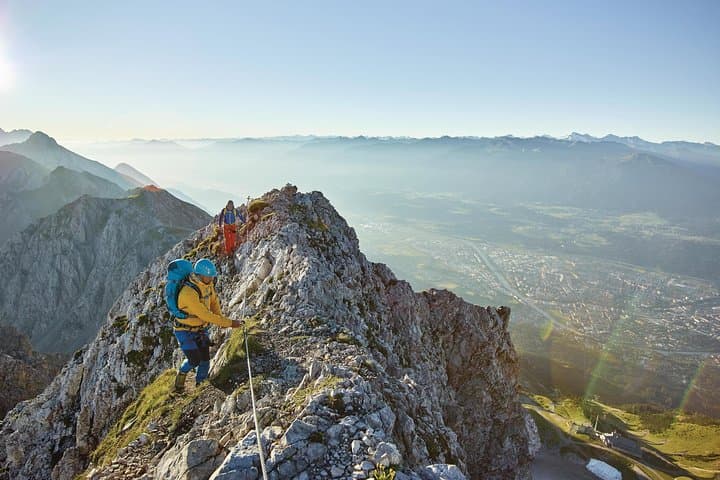
Clip into a guided via ferrata that launches from the city edge onto the Nordkette’s limestone ridges. Expect exposed traverses, sweeping views over the Inn Valley, and a full-day alpine experience suitable for fit beginners under certified guidance.
Clip into a guided via ferrata that launches from the city edge onto the Nordkette’s limestone ridges. Expect exposed traverses, sweeping views over the Inn Valley, and a full-day alpine experience suitable for fit beginners under certified guidance.
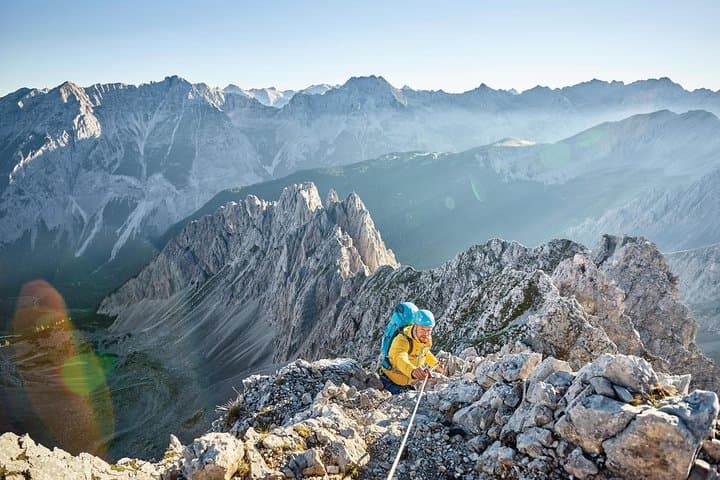
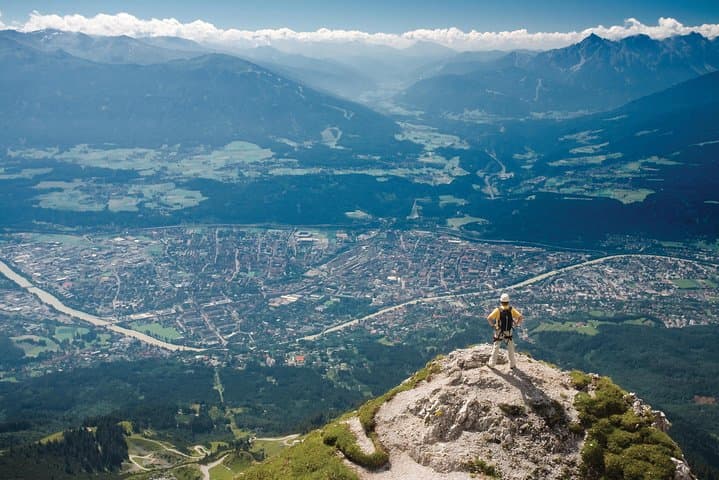
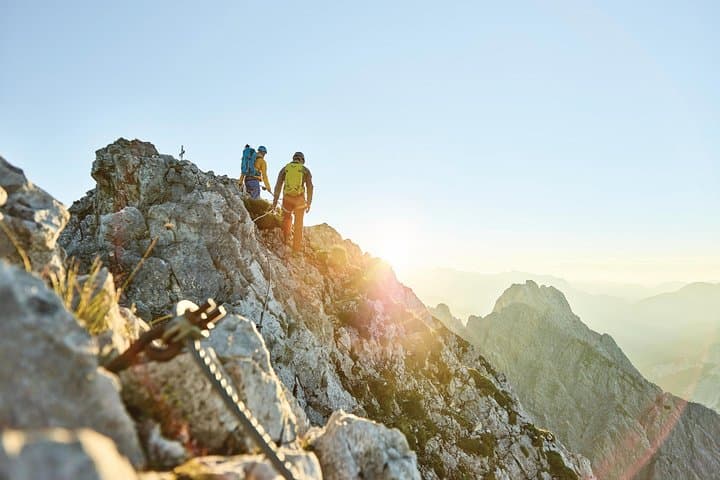
A taut line of steel cuts across the northern Karwendel face, and a group of guided climbers steps off a ledge that feels a world above the city. Below, Innsbruck’s rooftops shrink; above, limestone spires slope into a sky that can change by the hour. The route starts close to the urban edge and immediately trades city sounds for wind that seems to prod you onward.
Verified experiences and guided adventures in the surrounding area.
Operated by Flat Sucks · Innsbruck, Tyrol
A taut line of steel cuts across the northern Karwendel face, and a group of guided climbers steps off a ledge that feels a world above the city. Below, Innsbruck’s rooftops shrink; above, limestone spires slope into a sky that can change by the hour. The route starts close to the urban edge and immediately trades city sounds for wind that seems to prod you onward.
Via ferrata routes in the Tyrol draw on a long alpine tradition — improvised protected routes evolved into engineered steel lines in the 20th century — and the Nordkette ridgeline where many Innsbruck ferratas sit is classic Northern Limestone: steep, brittle in places, and sculpted by glaciers. Local culture mixes mountaineering seriousness with pragmatic hospitality; guides are often Tyrolean-trained and fluent in route-conservation practices.
Expect exposed traverses, vertical sections with iron rungs, and broad viewpoints where the Inn Valley lays out like a map. Wildlife keeps its distance: marmots whistle from scree, chamois pick ledges, and birds of prey wheel above the ridgeline.
Practically, the operator supplies harnesses, helmets and a via-ferrata set; bring sturdy footwear, layered clothing, gloves for clipping, and at least 1–2 liters of water. Weather dictates safety — afternoon storms close routes quickly — and guides will adjust pacing for mixed-ability groups. Fitness: steady legs and comfort on exposed ground for several hours. Start early for stable conditions, carry a light first-aid kit, and leave no trace: the alpine flora is fragile and the route depends on collective care.
challenging.
6 hours.
Moderate to good cardio and leg strength; able to stand and move on exposed terrain for several hours
No technical climbing experience is required; guides teach via ferrata technique, but participants should be comfortable with exposure and have moderate fitness.
Operators supply via-ferrata sets, harnesses and helmets—confirm sizing and condition with your guide before departure.
Routes close for safety in storms; the tour operator will cancel in poor weather and offers refunds or rescheduling according to their policy.
Minors may be allowed with guardian consent; the tour is not recommended for people with serious heart, back, or pregnancy-related restrictions—check specific booking requirements.
Via ferrata routes in the Alps evolved from early mountaineering and military paths; the Nordkette has been a local climbing area since the 19th century.
Stick to marked routes to protect fragile alpine plants and nesting birds; hiring a certified guide reduces route impact and supports local stewardship.
Flat Sucks operates guided outdoor trips and adventures with an emphasis on safety, stewardship, and memorable experiences.
A taut line of steel cuts across the northern Karwendel face, and a group of guided climbers steps off a ledge that feels a world above the city. Below, Innsbruck’s rooftops shrink; above, limestone spires slope into a sky that can change by the hour. The route starts close to the urban edge and immediately trades city sounds for wind that seems to prod you onward.
A taut line of steel cuts across the northern Karwendel face, and a group of guided climbers steps off a ledge that feels a world above the city. Below, Innsbruck’s rooftops shrink; above, limestone spires slope into a sky that can change by the hour. The route starts close to the urban edge and immediately trades city sounds for wind that seems to prod you onward.
Via ferrata routes in the Tyrol draw on a long alpine tradition — improvised protected routes evolved into engineered steel lines in the 20th century — and the Nordkette ridgeline where many Innsbruck ferratas sit is classic Northern Limestone: steep, brittle in places, and sculpted by glaciers. Local culture mixes mountaineering seriousness with pragmatic hospitality; guides are often Tyrolean-trained and fluent in route-conservation practices.
Expect exposed traverses, vertical sections with iron rungs, and broad viewpoints where the Inn Valley lays out like a map. Wildlife keeps its distance: marmots whistle from scree, chamois pick ledges, and birds of prey wheel above the ridgeline.
Practically, the operator supplies harnesses, helmets and a via-ferrata set; bring sturdy footwear, layered clothing, gloves for clipping, and at least 1–2 liters of water. Weather dictates safety — afternoon storms close routes quickly — and guides will adjust pacing for mixed-ability groups. Fitness: steady legs and comfort on exposed ground for several hours. Start early for stable conditions, carry a light first-aid kit, and leave no trace: the alpine flora is fragile and the route depends on collective care.