THE ADVENTURE COLLECTIVE® · Independent discovery and booking for outdoor travel

Travel by private jeep through Pench, Kanha, Bandhavgarh and Panna on a 16-night wildlife circuit that mixes big-cat safaris with temple towns and river valleys. Expect early-morning drives, local naturalists, and long road transfers across central India.
Travel by private jeep through Pench, Kanha, Bandhavgarh and Panna on a 16-night wildlife circuit that mixes big-cat safaris with temple towns and river valleys. Expect early-morning drives, local naturalists, and long road transfers across central India.
The jeep grinds to a stop as the forest inhales: a shaft of sun cuts through teak and sal, birds chatter, and a naturalist leans forward, eyes on a fresh pug mark. This is central India—a landscape of low Vindhya ridges, seasonal rivers and open clearings where tigers move at dawn and dusk.
Verified experiences and guided adventures in the surrounding area.
Operated by Incredible Real India Tours · Nagpur, Maharashtra
The jeep grinds to a stop as the forest inhales: a shaft of sun cuts through teak and sal, birds chatter, and a naturalist leans forward, eyes on a fresh pug mark. This is central India—a landscape of low Vindhya ridges, seasonal rivers and open clearings where tigers move at dawn and dusk.
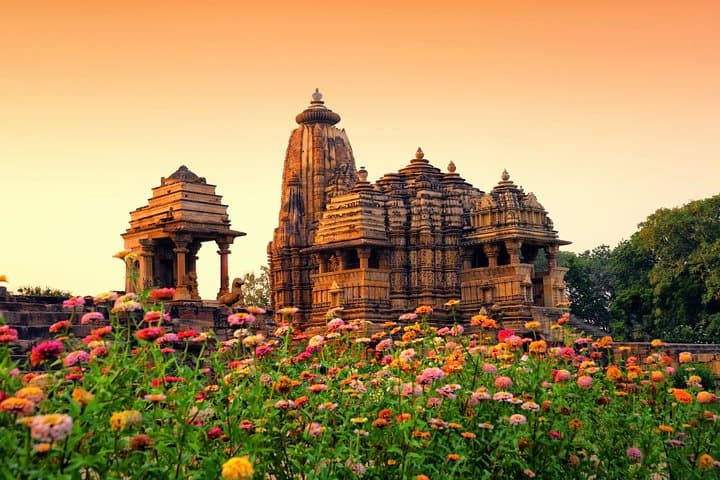
The route threads Pench, Kanha, Bandhavgarh and Panna—parks carved from the Satpura-Maikal hills and the Bundelkhand lowlands—then steps into Khajuraho and Orchha’s temple towns and finishes with Agra and Delhi. Geologically the region is an old plateau eroded into ridges and river valleys; culturally it’s a crossroads of Gond and Bundela histories with Mughal-era cities nearby. Khajuraho’s UNESCO temples and Orchha’s chhatris offer a human counterpoint to the safari rhythm.
Practically, the journey is driven: expect long transfers by air and road with morning and late-afternoon private jeep safaris led by local naturalists. Visibility is best in the dry months; monsoon brings dense growth and muddy tracks. Pack neutral clothes for camouflage, fast lenses and binoculars, and plan for early wake-ups and quiet hours in camp.
On-trail etiquette and conservation matter: keep noise low, stay in the vehicle, and follow guides’ instructions—these small choices reduce stress on wildlife and improve safari success. Health-wise, bring basic meds and sun protection; hydration is critical in open plains. For photographers and first-time wildlife travelers alike, the trail offers disciplined, repeatable opportunities to find big cats, gaurs, langurs and rich birdlife—if you come prepared and patient, the forest will reveal itself.
moderate.
16–17 days.
Suitable for travelers in average physical condition; safaris are low-impact but involve early starts and occasional uneven terrain.
Post-monsoon through late spring (October to April) offers the best visibility and higher wildlife activity; monsoon months can bring park closures and muddy roads.
Sightings are never guaranteed, but private jeeps, experienced naturalists, and multiple safaris across several parks significantly increase the chances.
Yes—many lodges and parks accommodate families; children should follow safety rules and tolerate early starts and bumpy rides.
Parks require entry permits managed by operators; routine travel vaccinations are recommended and consult a travel clinic for up-to-date advice on health precautions.
This route crosses Bundelkhand and the Satpura foothills—regions with Gond and Bundela cultural layers and Mughal-era monuments like those in Orchha and Agra.
Tourism funds, guide-led safaris and strict vehicle protocols support anti-poaching and habitat protection, but visitor numbers and litter remain local concerns.
Incredible Real India Tours operates guided outdoor trips and adventures with an emphasis on safety, stewardship, and memorable experiences.
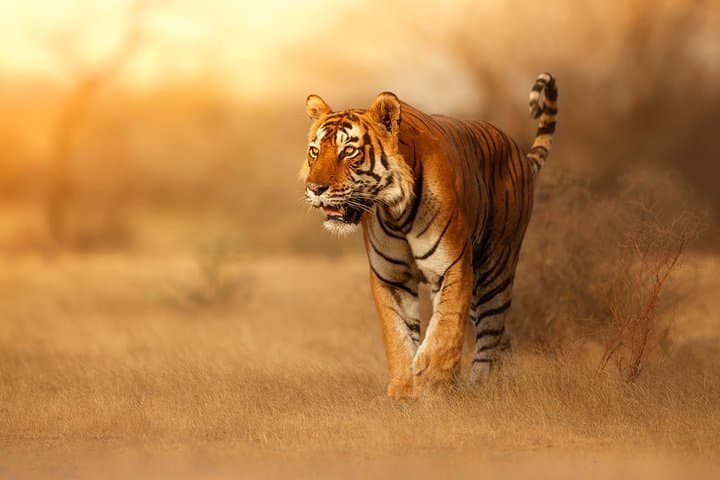
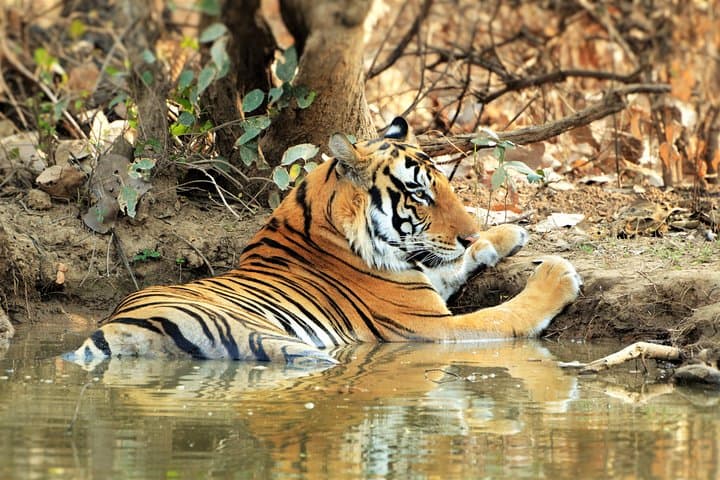
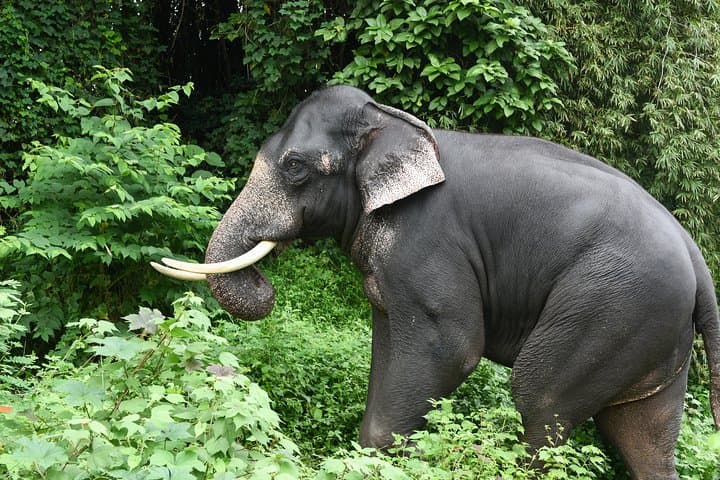
The jeep grinds to a stop as the forest inhales: a shaft of sun cuts through teak and sal, birds chatter, and a naturalist leans forward, eyes on a fresh pug mark. This is central India—a landscape of low Vindhya ridges, seasonal rivers and open clearings where tigers move at dawn and dusk.
The jeep grinds to a stop as the forest inhales: a shaft of sun cuts through teak and sal, birds chatter, and a naturalist leans forward, eyes on a fresh pug mark. This is central India—a landscape of low Vindhya ridges, seasonal rivers and open clearings where tigers move at dawn and dusk.
The route threads Pench, Kanha, Bandhavgarh and Panna—parks carved from the Satpura-Maikal hills and the Bundelkhand lowlands—then steps into Khajuraho and Orchha’s temple towns and finishes with Agra and Delhi. Geologically the region is an old plateau eroded into ridges and river valleys; culturally it’s a crossroads of Gond and Bundela histories with Mughal-era cities nearby. Khajuraho’s UNESCO temples and Orchha’s chhatris offer a human counterpoint to the safari rhythm.
Practically, the journey is driven: expect long transfers by air and road with morning and late-afternoon private jeep safaris led by local naturalists. Visibility is best in the dry months; monsoon brings dense growth and muddy tracks. Pack neutral clothes for camouflage, fast lenses and binoculars, and plan for early wake-ups and quiet hours in camp.
On-trail etiquette and conservation matter: keep noise low, stay in the vehicle, and follow guides’ instructions—these small choices reduce stress on wildlife and improve safari success. Health-wise, bring basic meds and sun protection; hydration is critical in open plains. For photographers and first-time wildlife travelers alike, the trail offers disciplined, repeatable opportunities to find big cats, gaurs, langurs and rich birdlife—if you come prepared and patient, the forest will reveal itself.