THE ADVENTURE COLLECTIVE® · Independent discovery and booking for outdoor travel

Drive the Glenn Highway for two hours, step onto ancient blue ice, and spend two hours guided across crevasses and seracs. This full-day Matanuska Glacier hike blends geology, local stories, and practical guidance for an accessible Alaska ice adventure.
Drive the Glenn Highway for two hours, step onto ancient blue ice, and spend two hours guided across crevasses and seracs. This full-day Matanuska Glacier hike blends geology, local stories, and practical guidance for an accessible Alaska ice adventure.
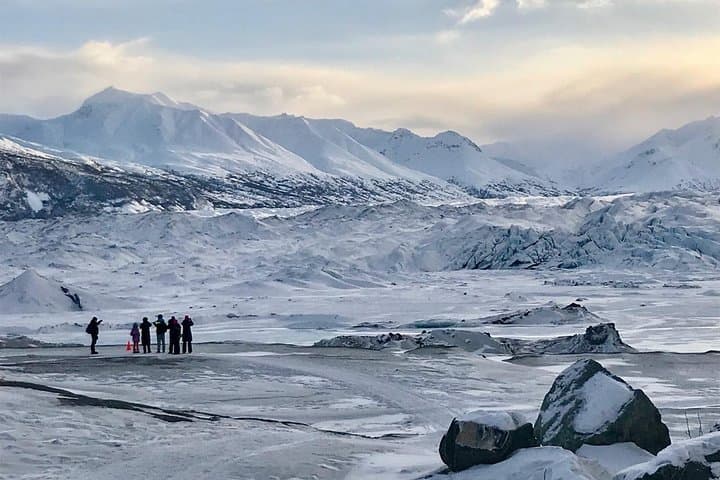
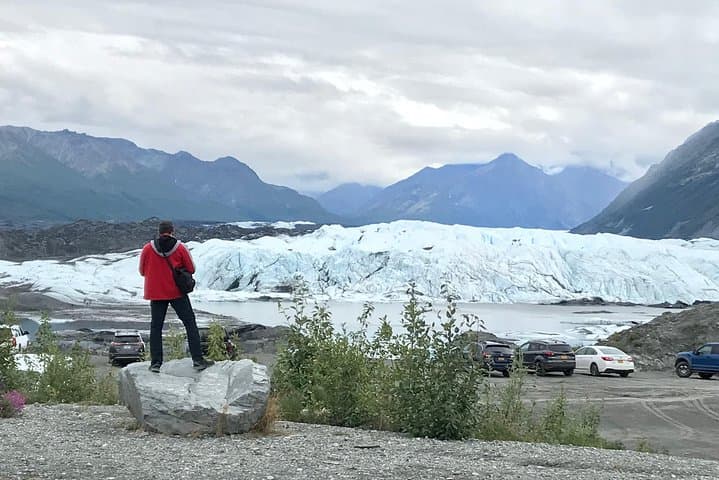
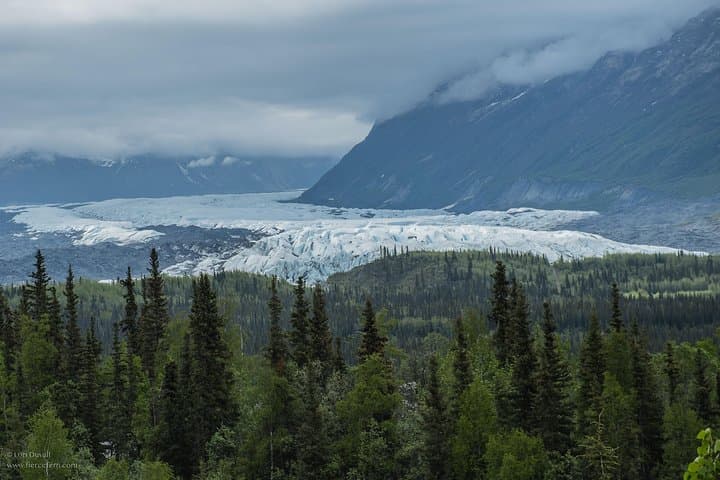
The van eases off the Glenn Highway and the landscape changes from spruce and birch to a broad, braided river valley. The Matanuska River runs like a silver ribbon alongside the road, daring you to look away as mountain faces draw nearer. After about two hours from Anchorage, a blue-white scar appears on the skyline: a living river of ice, its surface creased with seracs and riddled with crevasses that glint in the sun.
Verified experiences and guided adventures in the surrounding area.
Operated by 907 Tours · Palmer, Alaska
The van eases off the Glenn Highway and the landscape changes from spruce and birch to a broad, braided river valley. The Matanuska River runs like a silver ribbon alongside the road, daring you to look away as mountain faces draw nearer. After about two hours from Anchorage, a blue-white scar appears on the skyline: a living river of ice, its surface creased with seracs and riddled with crevasses that glint in the sun.
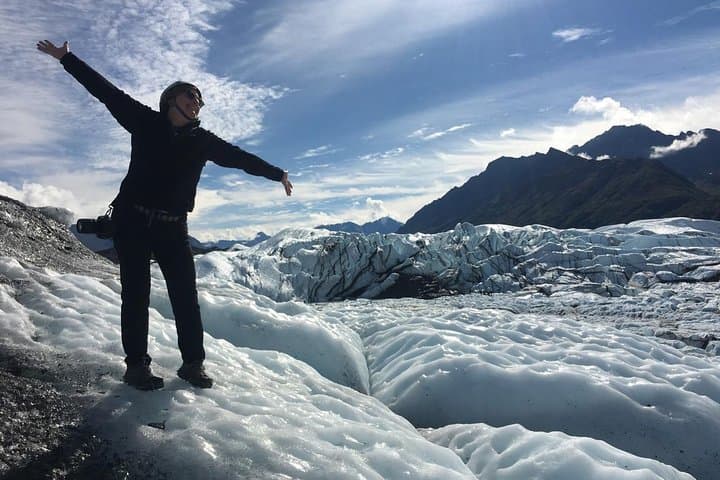
Stepping from the van onto the glacier is immediate and physical — the ground hardens to compacted ice, boots click on old glacier moraine, and cold air seems to hold its shape. Guides fit you with ice spikes and helmets and talk through safe routes around moulins (vertical shafts where meltwater disappears) and the surreal sculptures that form as the glacier advances and retreats. For about two hours you walk, pause, and peer into the glacier’s anatomy: blue ice where bubbles are crushed out, dust bands that map ancient summers, and sudden drops that remind you this is not a static landscape.
Geologically, Matanuska is a valley glacier about 27 miles long that flows down from the Chugach–Talkeetna divide; it’s one of the largest glaciers in Alaska reachable by car. The area’s human history is woven with subsistence farming in the Matanuska Valley and Indigenous use of the region for centuries. Today local lodges and guide services interpret both the science and the cultural context, offering a practical way to access this fragile environment.
Practicalities matter here. The full experience is about eight hours: roughly two hours each way by van from downtown Anchorage, two hours on the ice, and a lakeside lodge lunch with a view. Guides provide crampons/ice spikes, helmets and optional hiking poles; wear stiff, waterproof hiking boots and bring layered insulation — temperatures on the glacier can be dramatically colder than the valley. Expect uneven terrain, icy patches, and the need to walk around crevasses; the tour is not recommended for those who cannot manage 3+ miles (5 km) over uneven ground. Minimum age is eight; dress for all-weather conditions and bring sun protection — glacier glare is intense.
When you return to the lodge, filtered glacier water and local stories close the loop: this is an active landscape that changes seasonally and requires respect. If you want great photographs, time the trip for clear skies and keep a spare battery warm against your body. The hike is equal parts adrenaline and education — an authentic way to stand on moving ice and come home with a clearer sense of how glaciers shape the world.
moderate.
8 hours.
Should be able to walk 3+ miles (5 km) over uneven, icy terrain with occasional short steep sections; good balance and ankle stability recommended.
Expect about two hours each way on the Glenn Highway; pickup windows are typically between 7:45 and 8:30 a.m.
No; guides provide crampons, helmets and instruction — the tour is designed for non-technical hikers with moderate fitness.
Layered clothing, a windproof outer layer, waterproof boots, warm gloves, and UV sunglasses; dress for cold, wind, and variable weather.
Yes — the minimum age is eight. Guides will assess ability and keep groups on safe routes around crevasses.
The operator may cancel for unsafe conditions; full refunds are typically available if cancelled at least 24 hours in advance or by the provider for bad weather.
Basic facilities are available at the lodge next to the glacier; there are no facilities on the ice itself.
Matanuska has long been part of regional travel and subsistence routes; the valley was later settled for agriculture during the 1930s New Deal colony program, shifting local economies toward mixed farming and tourism.
Glaciers are sensitive to warming and human impact; stick to guide routes, avoid kicking or carving ice features, and pack out any waste to reduce local footprint.
907 Tours operates guided outdoor trips and adventures with an emphasis on safety, stewardship, and memorable experiences.
The van eases off the Glenn Highway and the landscape changes from spruce and birch to a broad, braided river valley. The Matanuska River runs like a silver ribbon alongside the road, daring you to look away as mountain faces draw nearer. After about two hours from Anchorage, a blue-white scar appears on the skyline: a living river of ice, its surface creased with seracs and riddled with crevasses that glint in the sun.
The van eases off the Glenn Highway and the landscape changes from spruce and birch to a broad, braided river valley. The Matanuska River runs like a silver ribbon alongside the road, daring you to look away as mountain faces draw nearer. After about two hours from Anchorage, a blue-white scar appears on the skyline: a living river of ice, its surface creased with seracs and riddled with crevasses that glint in the sun.
Stepping from the van onto the glacier is immediate and physical — the ground hardens to compacted ice, boots click on old glacier moraine, and cold air seems to hold its shape. Guides fit you with ice spikes and helmets and talk through safe routes around moulins (vertical shafts where meltwater disappears) and the surreal sculptures that form as the glacier advances and retreats. For about two hours you walk, pause, and peer into the glacier’s anatomy: blue ice where bubbles are crushed out, dust bands that map ancient summers, and sudden drops that remind you this is not a static landscape.
Geologically, Matanuska is a valley glacier about 27 miles long that flows down from the Chugach–Talkeetna divide; it’s one of the largest glaciers in Alaska reachable by car. The area’s human history is woven with subsistence farming in the Matanuska Valley and Indigenous use of the region for centuries. Today local lodges and guide services interpret both the science and the cultural context, offering a practical way to access this fragile environment.
Practicalities matter here. The full experience is about eight hours: roughly two hours each way by van from downtown Anchorage, two hours on the ice, and a lakeside lodge lunch with a view. Guides provide crampons/ice spikes, helmets and optional hiking poles; wear stiff, waterproof hiking boots and bring layered insulation — temperatures on the glacier can be dramatically colder than the valley. Expect uneven terrain, icy patches, and the need to walk around crevasses; the tour is not recommended for those who cannot manage 3+ miles (5 km) over uneven ground. Minimum age is eight; dress for all-weather conditions and bring sun protection — glacier glare is intense.
When you return to the lodge, filtered glacier water and local stories close the loop: this is an active landscape that changes seasonally and requires respect. If you want great photographs, time the trip for clear skies and keep a spare battery warm against your body. The hike is equal parts adrenaline and education — an authentic way to stand on moving ice and come home with a clearer sense of how glaciers shape the world.