THE ADVENTURE COLLECTIVE® · Independent discovery and booking for outdoor travel

Trace Monet and Turner along the Thames on a three-hour private walking tour that combines riverside viewpoints with studio visits and a National Gallery finish. Learn why London’s light and history drew Impressionists and how the city appears in their work.
Trace Monet and Turner along the Thames on a three-hour private walking tour that combines riverside viewpoints with studio visits and a National Gallery finish. Learn why London’s light and history drew Impressionists and how the city appears in their work.
The tour opens on the South Bank as the Thames pulls the city’s edge into view: grey water sliding past the Royal Festival Hall, bridges caught in light and mist that once lured Monet and Turner to set up an easel. The guide leads the group along the river path, stopping where paint met pavement and artists mapped out new ways of seeing urban weather.
Verified experiences and guided adventures in the surrounding area.
Operated by Pigeon Tours · London, England
The tour opens on the South Bank as the Thames pulls the city’s edge into view: grey water sliding past the Royal Festival Hall, bridges caught in light and mist that once lured Monet and Turner to set up an easel. The guide leads the group along the river path, stopping where paint met pavement and artists mapped out new ways of seeing urban weather.
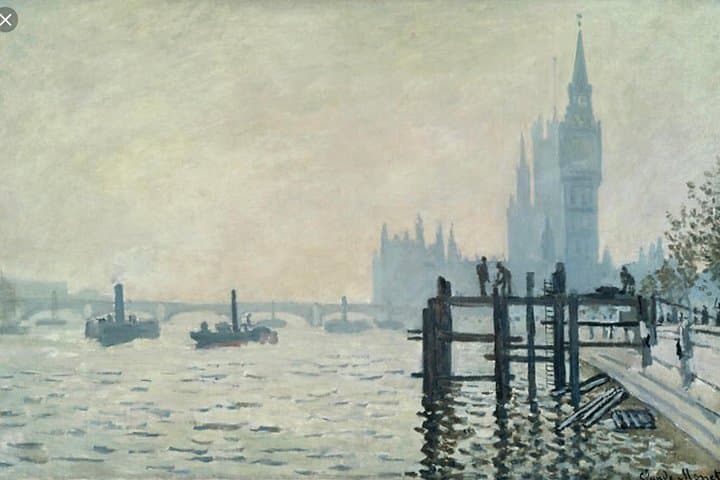
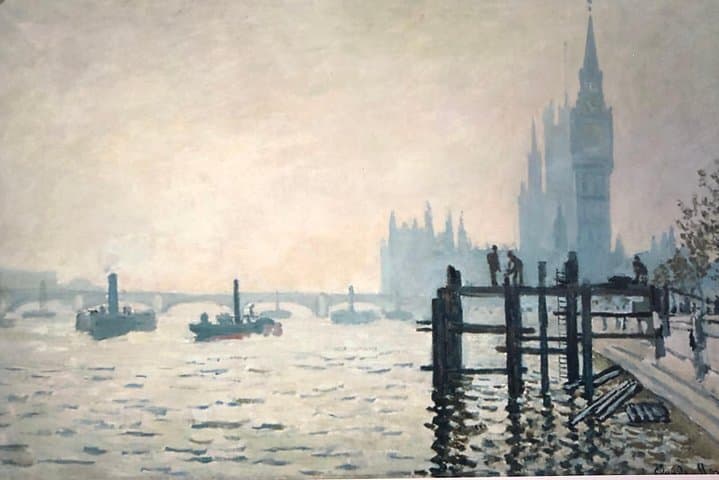
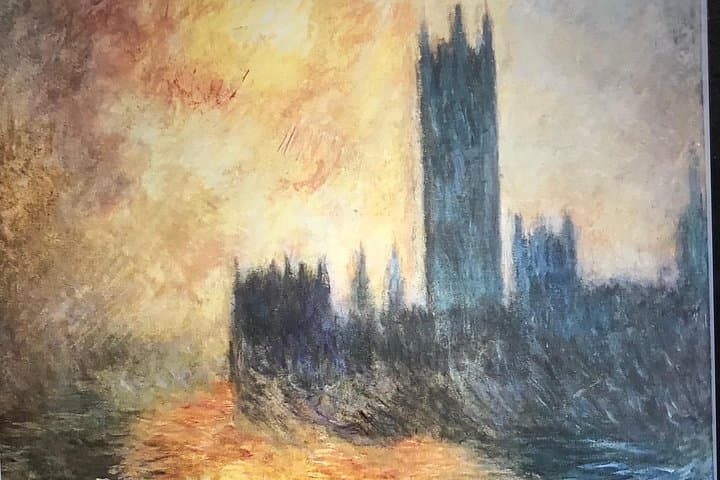
This three-hour private walk threads history, art and the river’s geography. Turner's dramatic depictions of the 1834 Houses of Parliament fire are explained alongside the facts of London's alluvial plain—how fog, soot and the Thames’s shifting light created the conditions for Impressionism’s interest in atmosphere. Visitors learn why French artists sought refuge in London during the Franco-Prussian War and how Monet returned repeatedly to paint Westminster and nearby bridges.
Cultural context is close at hand: the Savoy’s anecdotes about Monet, the lesser-known sculptors who reshaped embankments, and the National Gallery’s Impressionist holdings that complete the narrative. The city itself becomes part of the lesson—bridges, hospital viewpoints and quayside alleys that appear in paintings.
Practical guidance is straightforward. Expect continuous walking on paved paths and some busy pedestrian sections; bring weatherproof layers for sudden Thames gusts, a compact umbrella and comfortable shoes for standing at viewpoints. Public transport to the South Bank is easy; the final stop at the National Gallery provides a chance to see the paintings discussed. The route favors observation and conversation, suitable for travelers who enjoy art history delivered outdoors and on the move.
moderate.
3 hours.
Suitable for people who can walk and stand for several hours at a moderate pace; basic stamina required
No—admission is typically not included; the tour ends at the National Gallery so guests can enter independently.
About three hours of mostly flat riverside walking with stops at viewpoints and studios; expect up to 2–3 miles of walking.
Yes if they can walk steadily for several hours and manage short waits; notify the operator about mobility needs when booking.
Yes—this private tour allows flexibility; request focus areas (Monet, Turner, or studio visits) when booking.
Monet spent time in London during the Franco-Prussian War and painted multiple Thames scenes; Turner famously depicted the 1834 burning of the Houses of Parliament.
Stay on designated paths and avoid crowds at museum entrances; support local studios by buying prints and follow museum rules to protect fragile artworks.
Pigeon Tours operates guided outdoor trips and adventures with an emphasis on safety, stewardship, and memorable experiences.
The tour opens on the South Bank as the Thames pulls the city’s edge into view: grey water sliding past the Royal Festival Hall, bridges caught in light and mist that once lured Monet and Turner to set up an easel. The guide leads the group along the river path, stopping where paint met pavement and artists mapped out new ways of seeing urban weather.
The tour opens on the South Bank as the Thames pulls the city’s edge into view: grey water sliding past the Royal Festival Hall, bridges caught in light and mist that once lured Monet and Turner to set up an easel. The guide leads the group along the river path, stopping where paint met pavement and artists mapped out new ways of seeing urban weather.
This three-hour private walk threads history, art and the river’s geography. Turner's dramatic depictions of the 1834 Houses of Parliament fire are explained alongside the facts of London's alluvial plain—how fog, soot and the Thames’s shifting light created the conditions for Impressionism’s interest in atmosphere. Visitors learn why French artists sought refuge in London during the Franco-Prussian War and how Monet returned repeatedly to paint Westminster and nearby bridges.
Cultural context is close at hand: the Savoy’s anecdotes about Monet, the lesser-known sculptors who reshaped embankments, and the National Gallery’s Impressionist holdings that complete the narrative. The city itself becomes part of the lesson—bridges, hospital viewpoints and quayside alleys that appear in paintings.
Practical guidance is straightforward. Expect continuous walking on paved paths and some busy pedestrian sections; bring weatherproof layers for sudden Thames gusts, a compact umbrella and comfortable shoes for standing at viewpoints. Public transport to the South Bank is easy; the final stop at the National Gallery provides a chance to see the paintings discussed. The route favors observation and conversation, suitable for travelers who enjoy art history delivered outdoors and on the move.