THE ADVENTURE COLLECTIVE® · Independent discovery and booking for outdoor travel

A three-hour guided walking tour that threads you through Florence’s Renaissance highlights—Duomo, Baptistery, Ponte Vecchio and Piazza della Signoria—led by a local expert who connects art, politics, and urban life. Ideal for first-time visitors who want context and direction before museum time.
A three-hour guided walking tour that threads you through Florence’s Renaissance highlights—Duomo, Baptistery, Ponte Vecchio and Piazza della Signoria—led by a local expert who connects art, politics, and urban life. Ideal for first-time visitors who want context and direction before museum time.
Morning light slides across the Duomo’s polychrome marble as a small group steps into a Florence that still speaks in stone. An expert guide leads the way from the Uffizi courtyard toward the Baptistery’s bronze doors, pausing to draw connections between narrow alleys and the civic rivalries that shaped them. The Arno murmurs under Ponte Vecchio, its shops a living memory of medieval trade; Brunelleschi’s Dome punctures the skyline, a geometric answer to centuries of engineering questions.
Verified experiences and guided adventures in the surrounding area.
Operated by Z-Ocean Tours LLC · Florence, Tuscany
Morning light slides across the Duomo’s polychrome marble as a small group steps into a Florence that still speaks in stone. An expert guide leads the way from the Uffizi courtyard toward the Baptistery’s bronze doors, pausing to draw connections between narrow alleys and the civic rivalries that shaped them. The Arno murmurs under Ponte Vecchio, its shops a living memory of medieval trade; Brunelleschi’s Dome punctures the skyline, a geometric answer to centuries of engineering questions.
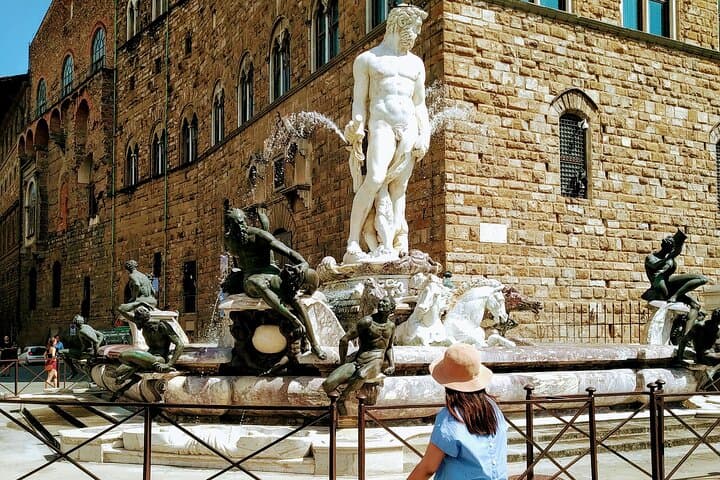
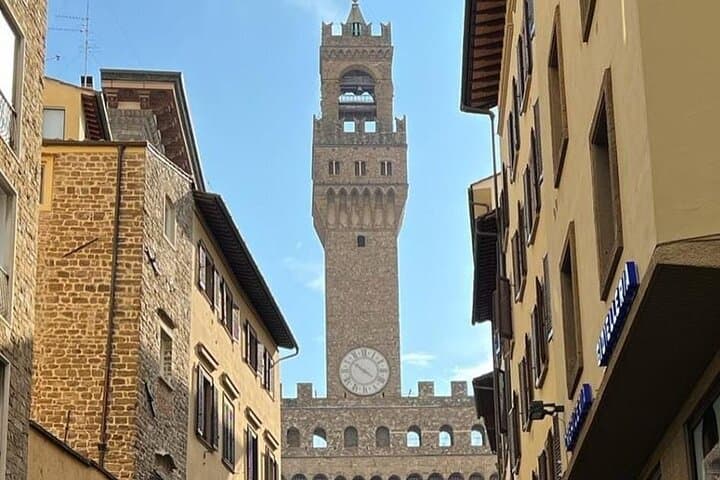
Florence is a geological platform of Pliocene clays and alluvial terraces, a compact city where Renaissance politics, Medici patronage, and Florentine craft culture are visible in façades and public squares. Visitors learn why the Baptistery’s gilded reliefs mattered to civic identity and how Palazzo Vecchio broadcast power through architecture.
Practicalities arrive as naturally as the next piazza: expect three hours of mostly flat walking on cobbles and paved squares, with frequent stops for explanations and photos. The guide will point out optimal angles for the Duomo and quieter lanes that reveal artisan workshops off the tourist routes.
Bring comfortable shoes, a refillable water bottle, and a compact daypack. Start in the morning to avoid peak crowds and the afternoon heat in summer. Accessibility varies: many streets are cobbled and some viewpoints require steps. The tour is well suited to first-time visitors who want an efficient, contextual orientation to Florence’s art, history, and urban fabric before deeper museum visits.
easy.
3 hours.
Light walking fitness; able to stand and walk steadily for several 20–30 minute stretches.
Meeting points are centrally located near the Duomo or Uffizi area and the tour typically ends near Santa Croce for easy access to transit and nearby cafes.
Yes—pace is moderate with frequent stops; however, cobblestones and some stairs may be challenging for those with mobility issues.
No—this city walking tour focuses on exterior landmarks and context; optional museum visits will require separate tickets.
Guides are typically local and the tour is offered in English; check booking details for other language options.
Florence rose to prominence in the 12th–15th centuries as a banking and textile center; Medici patronage propelled its artistic and political dominance during the Renaissance.
Historic center is a UNESCO World Heritage Site; stay on paved routes, avoid touching sculptures, and support local artisans to keep traditional crafts viable.
Z-Ocean Tours LLC operates guided outdoor trips and adventures with an emphasis on safety, stewardship, and memorable experiences.
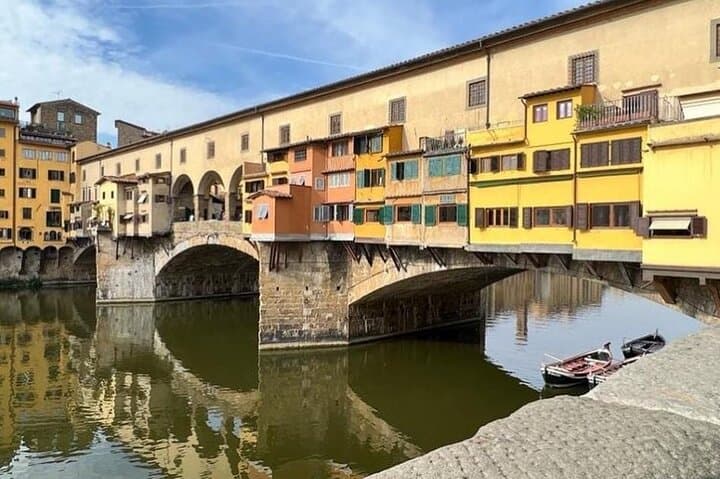
Morning light slides across the Duomo’s polychrome marble as a small group steps into a Florence that still speaks in stone. An expert guide leads the way from the Uffizi courtyard toward the Baptistery’s bronze doors, pausing to draw connections between narrow alleys and the civic rivalries that shaped them. The Arno murmurs under Ponte Vecchio, its shops a living memory of medieval trade; Brunelleschi’s Dome punctures the skyline, a geometric answer to centuries of engineering questions.
Morning light slides across the Duomo’s polychrome marble as a small group steps into a Florence that still speaks in stone. An expert guide leads the way from the Uffizi courtyard toward the Baptistery’s bronze doors, pausing to draw connections between narrow alleys and the civic rivalries that shaped them. The Arno murmurs under Ponte Vecchio, its shops a living memory of medieval trade; Brunelleschi’s Dome punctures the skyline, a geometric answer to centuries of engineering questions.
Florence is a geological platform of Pliocene clays and alluvial terraces, a compact city where Renaissance politics, Medici patronage, and Florentine craft culture are visible in façades and public squares. Visitors learn why the Baptistery’s gilded reliefs mattered to civic identity and how Palazzo Vecchio broadcast power through architecture.
Practicalities arrive as naturally as the next piazza: expect three hours of mostly flat walking on cobbles and paved squares, with frequent stops for explanations and photos. The guide will point out optimal angles for the Duomo and quieter lanes that reveal artisan workshops off the tourist routes.
Bring comfortable shoes, a refillable water bottle, and a compact daypack. Start in the morning to avoid peak crowds and the afternoon heat in summer. Accessibility varies: many streets are cobbled and some viewpoints require steps. The tour is well suited to first-time visitors who want an efficient, contextual orientation to Florence’s art, history, and urban fabric before deeper museum visits.