THE ADVENTURE COLLECTIVE® · Independent discovery and booking for outdoor travel

Walk into the heart of Argentina’s Iberá wetlands on a 5–6 hour on-foot safari. Share space with capybaras, spot caimans in the shallows and listen for howler monkeys while moving through estuaries and forest edges.
Walk into the heart of Argentina’s Iberá wetlands on a 5–6 hour on-foot safari. Share space with capybaras, spot caimans in the shallows and listen for howler monkeys while moving through estuaries and forest edges.
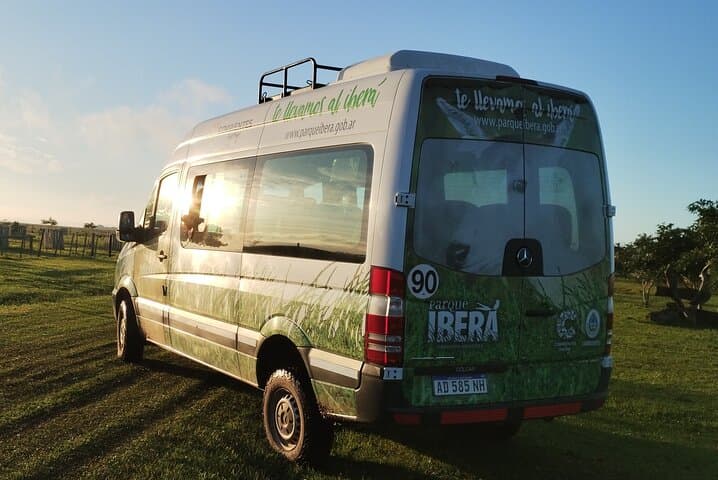
You step out of the 4x4 onto a soft, reed-lined estuary and the wetland closes around you like a living map: low hummocks, mirror-slow pools and a chorus of distant birdcalls. The guide motions forward; the capybaras regard you with calm curiosity while caimans slip like dark parentheses through the shallows. The marsh dares you to move quietly.
Verified experiences and guided adventures in the surrounding area.
Operated by TURISMO DIVERSIDAD IBERA SAFARIS · Ituzaingó, Corrientes
You step out of the 4x4 onto a soft, reed-lined estuary and the wetland closes around you like a living map: low hummocks, mirror-slow pools and a chorus of distant birdcalls. The guide motions forward; the capybaras regard you with calm curiosity while caimans slip like dark parentheses through the shallows. The marsh dares you to move quietly.
Iberá—one of South America’s largest freshwater wetlands—was carved by slow, ancient drainage and sustained by seasonal floods. Long used for cattle and buffalo grazing, much of the area now sits inside protected reserves and the relatively new Iberá National Park, where community ranching traditions meet conservation initiatives.
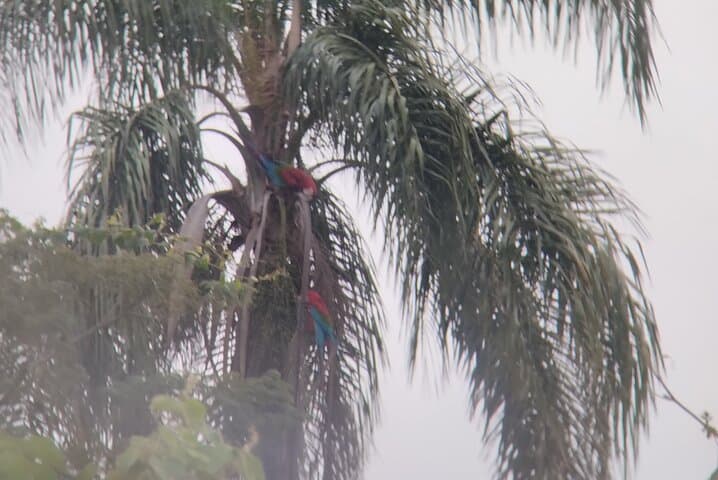
The terrain on this tour is estuarine grassland and gallery forest: low, often muddy ground with short approach walks from vehicle staging areas. Expect broad, open vistas where marsh deer and wading birds are visible at a distance, and denser forest patches where howler monkeys and macaws announce themselves.
Practical points: tours run about 5–6 hours, typically departing midafternoon from Ituzaingó in air-conditioned vehicles and returning by evening. Guides provide binoculars, bottled water, mate or coffee, snacks and insect repellent. Wear waterproof footwear and quick-dry clothing; move slowly and keep a respectful distance from wildlife. Photography is excellent in late afternoon light, and the marshes are safest when you follow the guide’s routes—stay on firm ground and avoid stepping into unseen channels. This on-foot safari is low-impact but rich in wildlife encounters—bring patience, a good pair of optics and a readiness to listen to the marsh doing what it does best: watching back.
easy.
5–6 hours.
Suitable for most fitness levels; requires short, gentle walks on uneven or muddy ground and the ability to board a 4x4 vehicle.
No; this specific tour is on-foot and by 4x4—walks are made onto estuaries and shorelines rather than by boat.
The tour lasts about 5–6 hours, typically departing mid-afternoon from Ituzaingó and returning by evening.
The provider lists the activity as suitable for all fitness levels and wheelchair accessible in many areas, but check specific mobility needs with the operator before booking.
Guides are primarily Spanish-speaking with limited English; ask the operator about English support when booking if needed.
The Iberá wetlands have long been used for cattle and buffalo grazing; recent decades have emphasized conservation and the creation of protected reserves and a national park.
Conservation in Iberá combines private reserve restoration and national-park protections—visitors help by keeping to paths, minimizing noise and taking all waste with them.
TURISMO DIVERSIDAD IBERA SAFARIS operates guided outdoor trips and adventures with an emphasis on safety, stewardship, and memorable experiences.


You step out of the 4x4 onto a soft, reed-lined estuary and the wetland closes around you like a living map: low hummocks, mirror-slow pools and a chorus of distant birdcalls. The guide motions forward; the capybaras regard you with calm curiosity while caimans slip like dark parentheses through the shallows. The marsh dares you to move quietly.
You step out of the 4x4 onto a soft, reed-lined estuary and the wetland closes around you like a living map: low hummocks, mirror-slow pools and a chorus of distant birdcalls. The guide motions forward; the capybaras regard you with calm curiosity while caimans slip like dark parentheses through the shallows. The marsh dares you to move quietly.
Iberá—one of South America’s largest freshwater wetlands—was carved by slow, ancient drainage and sustained by seasonal floods. Long used for cattle and buffalo grazing, much of the area now sits inside protected reserves and the relatively new Iberá National Park, where community ranching traditions meet conservation initiatives.
The terrain on this tour is estuarine grassland and gallery forest: low, often muddy ground with short approach walks from vehicle staging areas. Expect broad, open vistas where marsh deer and wading birds are visible at a distance, and denser forest patches where howler monkeys and macaws announce themselves.
Practical points: tours run about 5–6 hours, typically departing midafternoon from Ituzaingó in air-conditioned vehicles and returning by evening. Guides provide binoculars, bottled water, mate or coffee, snacks and insect repellent. Wear waterproof footwear and quick-dry clothing; move slowly and keep a respectful distance from wildlife. Photography is excellent in late afternoon light, and the marshes are safest when you follow the guide’s routes—stay on firm ground and avoid stepping into unseen channels. This on-foot safari is low-impact but rich in wildlife encounters—bring patience, a good pair of optics and a readiness to listen to the marsh doing what it does best: watching back.