THE ADVENTURE COLLECTIVE® · Independent discovery and booking for outdoor travel

An 11‑day cultural circuit through Ethiopia’s southern Rift, the Omo Valley tour pairs river boat trips and weekly markets with visits to Dorze, Hamer, Karo and Mursi communities. Expect rugged roads, intimate cultural exchanges, and dramatic Rift Valley scenery.
An 11‑day cultural circuit through Ethiopia’s southern Rift, the Omo Valley tour pairs river boat trips and weekly markets with visits to Dorze, Hamer, Karo and Mursi communities. Expect rugged roads, intimate cultural exchanges, and dramatic Rift Valley scenery.
Dusty red roads open into a bowl of riverine forest and scrub where painted faces and woven skirts move with the rhythm of the Omo River. On this 11‑day circuit from Addis Ababa to Jinka, Turmi and back, travelers trade city skyline for lakeshore mornings, timbered Dorze huts, and boat trips through hippo‑guarded channels. The Great Rift Valley carves the route—lakes Langano, Abiyata, Shalla and Ziway flash like inland seas between volcanic escarpments—while the lower Omo drops into a mosaic of villages that have lived on cattle, scarification and weaving for generations.
Verified experiences and guided adventures in the surrounding area.
Operated by Ethio Tours · Jinka, Southern Nations, Nationalities, and Peoples' Region
Dusty red roads open into a bowl of riverine forest and scrub where painted faces and woven skirts move with the rhythm of the Omo River. On this 11‑day circuit from Addis Ababa to Jinka, Turmi and back, travelers trade city skyline for lakeshore mornings, timbered Dorze huts, and boat trips through hippo‑guarded channels. The Great Rift Valley carves the route—lakes Langano, Abiyata, Shalla and Ziway flash like inland seas between volcanic escarpments—while the lower Omo drops into a mosaic of villages that have lived on cattle, scarification and weaving for generations.
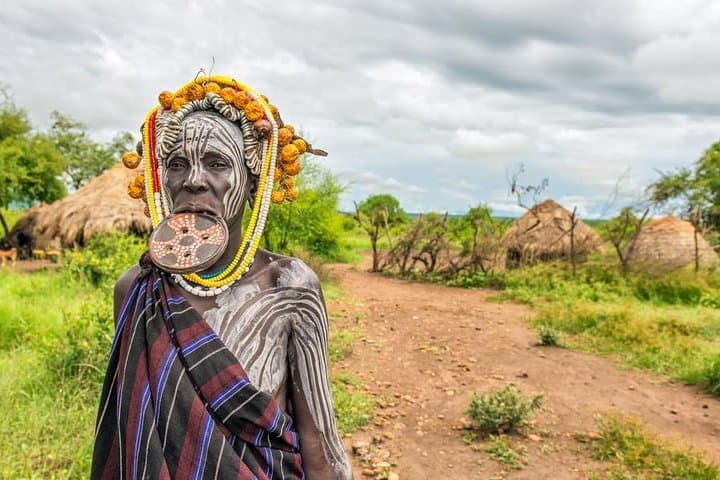
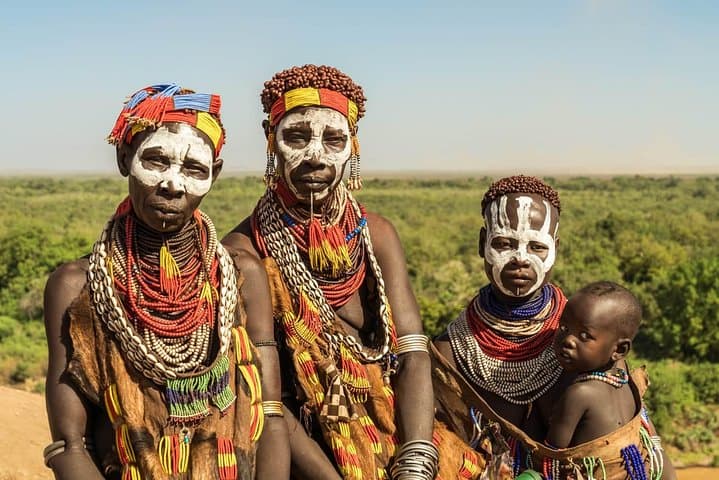
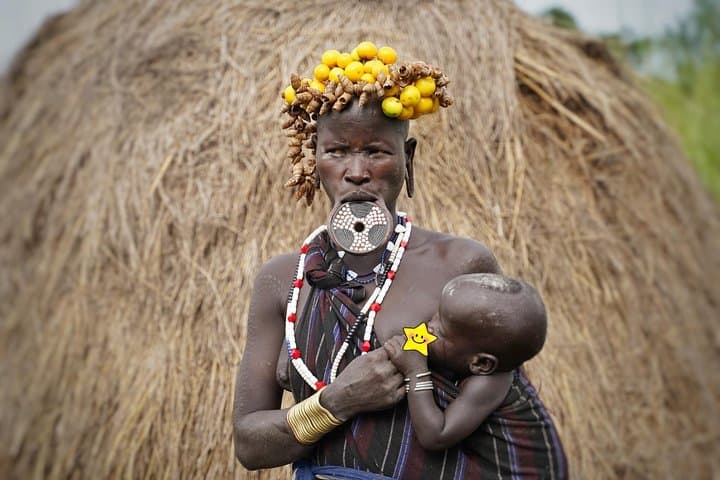
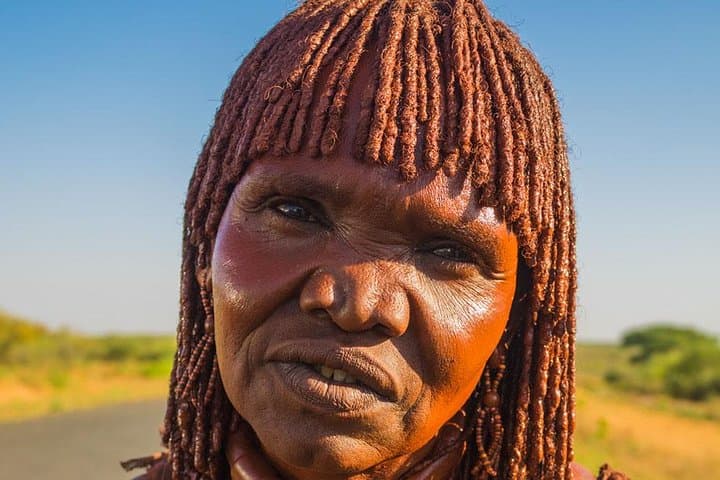
The region’s human history is as visible as its geology: rock terraces at Konso, UNESCO stelae at Tiya, and Lalibela‑era churches mark centuries of settlement and ritual. Ethnographers and photographers come for the Mursi lip plates, Hamer hair‑dress and Karo body paint; game watchers will find Swainson’s hartebeest, Nile crocodiles and waterbirds at Lake Chamo. Cultural encounters are guided and often arranged around weekly markets—Dimeka and Turmi—where trade, negotiation and ceremony are public.
Practically, expect long drives on rough gravel, early starts to catch markets and cooler mornings at elevation. Prepare for 1,000–2,350 m elevation change between Addis and the Rift floor, tropical sun, and intermittent network coverage. Bring layered clothing for cool nights, a sun hat, sturdy walking shoes, insect repellent and cash for local purchases. Respect photography requests, follow local guide instructions, and allow flexibility: weather, festivals and logistics shape the day more than a strict schedule.
moderate.
11 days.
Travelers should be in moderate fitness—able to tolerate long drives, short hikes, and walking on uneven village paths.
Vaccinations for routine travel (e.g., tetanus, hepatitis) are recommended; malaria prophylaxis is advised for southern lowland areas—consult a travel clinic before departure.
Many communities allow photography but often expect permission or a small fee; follow your guide’s direction and be respectful when photographing ceremonies or close portraits.
Lodging is a mix of mid‑range hotels in towns and rustic lodges in the Omo Valley with basic amenities—hot water and power can be intermittent in remote areas.
Days feature vehicle transfers, short village walks and boat trips; no technical skills required but stamina for long travel days is important.
The southern Rift has been a crossroads of human diversity for millennia—Konso terraces and Tiya stelae record ancient agricultural and ritual practices alongside living tribal traditions.
Tourism supports local incomes but brings waste and pressure on water; choose operators that use local guides, minimize plastic, and respect grazing and cropping cycles.
Ethio Tours operates guided outdoor trips and adventures with an emphasis on safety, stewardship, and memorable experiences.
Dusty red roads open into a bowl of riverine forest and scrub where painted faces and woven skirts move with the rhythm of the Omo River. On this 11‑day circuit from Addis Ababa to Jinka, Turmi and back, travelers trade city skyline for lakeshore mornings, timbered Dorze huts, and boat trips through hippo‑guarded channels. The Great Rift Valley carves the route—lakes Langano, Abiyata, Shalla and Ziway flash like inland seas between volcanic escarpments—while the lower Omo drops into a mosaic of villages that have lived on cattle, scarification and weaving for generations.
Dusty red roads open into a bowl of riverine forest and scrub where painted faces and woven skirts move with the rhythm of the Omo River. On this 11‑day circuit from Addis Ababa to Jinka, Turmi and back, travelers trade city skyline for lakeshore mornings, timbered Dorze huts, and boat trips through hippo‑guarded channels. The Great Rift Valley carves the route—lakes Langano, Abiyata, Shalla and Ziway flash like inland seas between volcanic escarpments—while the lower Omo drops into a mosaic of villages that have lived on cattle, scarification and weaving for generations.
The region’s human history is as visible as its geology: rock terraces at Konso, UNESCO stelae at Tiya, and Lalibela‑era churches mark centuries of settlement and ritual. Ethnographers and photographers come for the Mursi lip plates, Hamer hair‑dress and Karo body paint; game watchers will find Swainson’s hartebeest, Nile crocodiles and waterbirds at Lake Chamo. Cultural encounters are guided and often arranged around weekly markets—Dimeka and Turmi—where trade, negotiation and ceremony are public.
Practically, expect long drives on rough gravel, early starts to catch markets and cooler mornings at elevation. Prepare for 1,000–2,350 m elevation change between Addis and the Rift floor, tropical sun, and intermittent network coverage. Bring layered clothing for cool nights, a sun hat, sturdy walking shoes, insect repellent and cash for local purchases. Respect photography requests, follow local guide instructions, and allow flexibility: weather, festivals and logistics shape the day more than a strict schedule.