THE ADVENTURE COLLECTIVE® · Independent discovery and booking for outdoor travel

Four days along the Omo River introduce you to Hamar bull-jumping, Mursi lip plates, Karo body painting and Dasenech riverside life. Expect long drives, intimate village visits, and practical cultural guidance.
Four days along the Omo River introduce you to Hamar bull-jumping, Mursi lip plates, Karo body painting and Dasenech riverside life. Expect long drives, intimate village visits, and practical cultural guidance.
You step off a small plane into dry heat and bleached dust, the air carrying distant laughter and livestock calls. A rugged 4x4 waits; the road out of Jinka threads through low acacia scrub toward the Omo River, and within hours villages rise along the banks like living, shifting galleries — painted skin, lip plates, braided hair and beadwork that announce clan and status as clearly as any flag.
Verified experiences and guided adventures in the surrounding area.
Operated by Banti Omo Valley Tours · Jinka, Southern Nations, Nationalities, and Peoples' Region
You step off a small plane into dry heat and bleached dust, the air carrying distant laughter and livestock calls. A rugged 4x4 waits; the road out of Jinka threads through low acacia scrub toward the Omo River, and within hours villages rise along the banks like living, shifting galleries — painted skin, lip plates, braided hair and beadwork that announce clan and status as clearly as any flag.
The Omo Valley is carved by a river that has fed people for millennia; its terraces hold archaeological sites and living traditions that predate modern Ethiopia’s borders. The Hamar’s bull-jumping rite, the Mursi lip-plate customs, the Karo’s intricate body painting and the Dasenech riverside settlements each reflect distinct social rules and relationships with the river and land.
Expect long drives between villages, guided introductions by local leaders, and stays in simple lodges or community-run accommodations. Terrain is mostly dirt roads, riverbanks and short village walks — uneven underfoot and often hot by midday. Markets are sensory and direct: barter, bright jewelry, and fresh coffee ceremonies if your visit is welcomed.
Practical guidance: travel light, bring cash in small denominations, and plan visits in the dry season for easier access. Respect local customs: always ask before photographing people and follow your guide’s lead in ceremonies. Hydrate, wear sun protection and sturdy shoes for sand and rocky paths. This is a cultural immersion as much as a trip — slow, physical, and immediately human.
moderate.
4 days.
Should be in good general health and able to walk short distances on uneven ground; able to handle long vehicle transfers.
Yes — the itinerary notes stroller access and infant seats are available but infants must sit on an adult’s lap; plan for long drives and limited medical facilities.
Consult your travel doctor for recommended vaccinations and malaria prophylaxis; carry basic first-aid and any prescription medications.
Most local markets and small lodges accept cash only; bring Ethiopian birr in small notes and plan for limited card acceptance.
Local guides facilitate culturally appropriate interactions and introductions; follow their guidance for photography, ceremony attendance and gift-giving.
The Omo Valley has been inhabited for tens of thousands of years and is noted for archaeological finds; its contemporary tribal identities reflect long-standing river-based livelihoods and inter-tribal exchange.
Visitor impact is concentrated on riverbanks and village approaches; stick to marked paths, avoid plastic waste and support local guides and community-run lodges to benefit conservation and local economies.
Banti Omo Valley Tours operates guided outdoor trips and adventures with an emphasis on safety, stewardship, and memorable experiences.

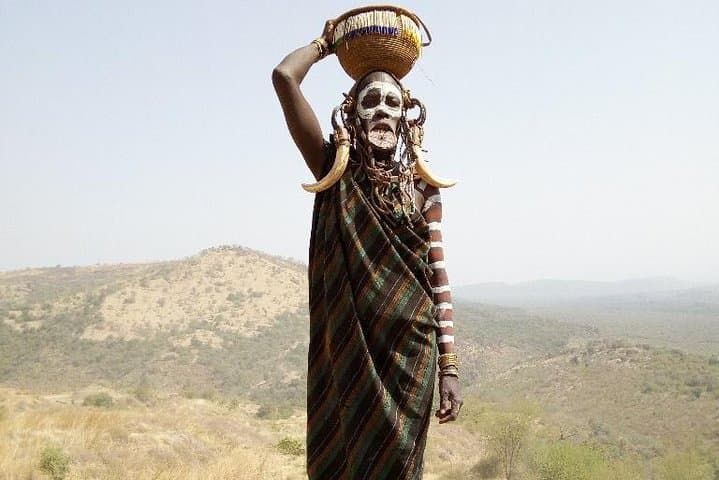
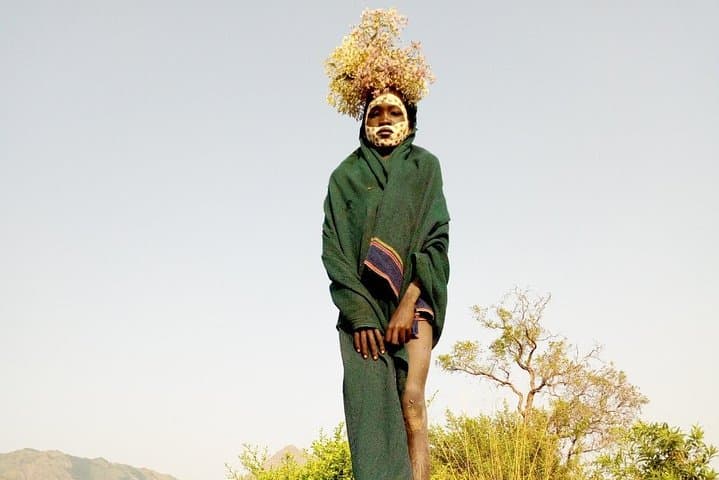
You step off a small plane into dry heat and bleached dust, the air carrying distant laughter and livestock calls. A rugged 4x4 waits; the road out of Jinka threads through low acacia scrub toward the Omo River, and within hours villages rise along the banks like living, shifting galleries — painted skin, lip plates, braided hair and beadwork that announce clan and status as clearly as any flag.
You step off a small plane into dry heat and bleached dust, the air carrying distant laughter and livestock calls. A rugged 4x4 waits; the road out of Jinka threads through low acacia scrub toward the Omo River, and within hours villages rise along the banks like living, shifting galleries — painted skin, lip plates, braided hair and beadwork that announce clan and status as clearly as any flag.
The Omo Valley is carved by a river that has fed people for millennia; its terraces hold archaeological sites and living traditions that predate modern Ethiopia’s borders. The Hamar’s bull-jumping rite, the Mursi lip-plate customs, the Karo’s intricate body painting and the Dasenech riverside settlements each reflect distinct social rules and relationships with the river and land.
Expect long drives between villages, guided introductions by local leaders, and stays in simple lodges or community-run accommodations. Terrain is mostly dirt roads, riverbanks and short village walks — uneven underfoot and often hot by midday. Markets are sensory and direct: barter, bright jewelry, and fresh coffee ceremonies if your visit is welcomed.
Practical guidance: travel light, bring cash in small denominations, and plan visits in the dry season for easier access. Respect local customs: always ask before photographing people and follow your guide’s lead in ceremonies. Hydrate, wear sun protection and sturdy shoes for sand and rocky paths. This is a cultural immersion as much as a trip — slow, physical, and immediately human.