THE ADVENTURE COLLECTIVE® · Independent discovery and booking for outdoor travel

Four days along the Omo River introduce travelers to Mursi lip plates, Karo body paint, and vibrant tribal markets. This itinerary combines cultural encounters with long drives and river crossings—expect rustic comforts, sensitive photography etiquette, and vivid local traditions.
Four days along the Omo River introduce travelers to Mursi lip plates, Karo body paint, and vibrant tribal markets. This itinerary combines cultural encounters with long drives and river crossings—expect rustic comforts, sensitive photography etiquette, and vivid local traditions.
Red dust lifts under a 4x4 as the road peels away from Jinka and the valley opens—acacia silhouettes, braided river channels, and villages where painted bodies and lip plates punctuate the horizon. Travelers arrive not as spectators but as guests: market sellers call out in local tongues, cattle herders thread goats through earthen lanes, and the Omo River dares you with its wide, slow current before the local canoe ferry.
Verified experiences and guided adventures in the surrounding area.
Operated by Omo Valley Experience Tours · Jinka, Southern Nations, Nationalities, and Peoples' Region
Red dust lifts under a 4x4 as the road peels away from Jinka and the valley opens—acacia silhouettes, braided river channels, and villages where painted bodies and lip plates punctuate the horizon. Travelers arrive not as spectators but as guests: market sellers call out in local tongues, cattle herders thread goats through earthen lanes, and the Omo River dares you with its wide, slow current before the local canoe ferry.
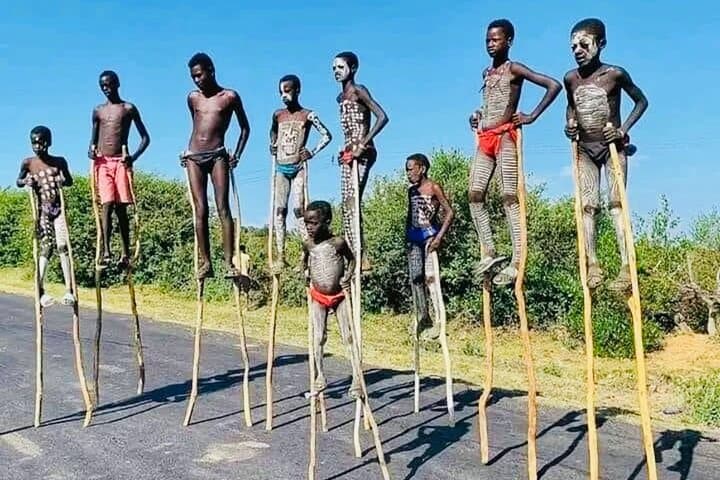
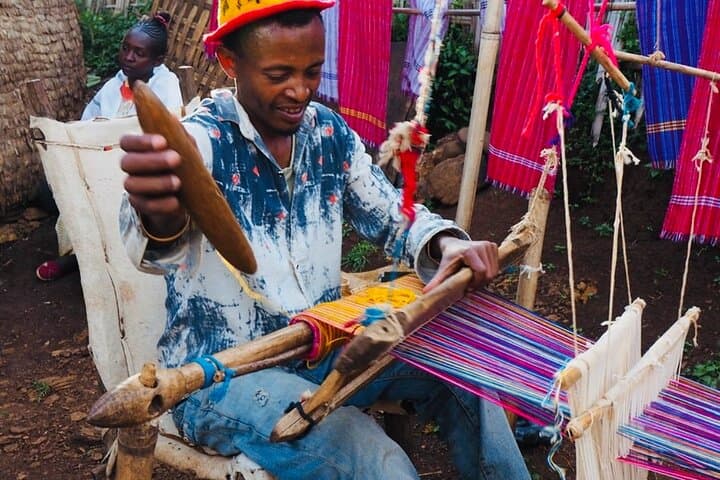
Geologically the Omo Valley is carved by a recent river system and floored by alluvial sediments that made the region a cradle for hominin fossils; culturally it’s one of Africa’s richest living museums. Over four days visitors move between Mursi lip-plate ceremonies, the Bena children’s stick-walking displays, Karo body-painted riverside gatherings, and the Dassanech villages near the Kenyan border—each stop framed by distinct dress, scarification, and craft traditions.
Practical details matter: expect long drives on rough, sometimes sandy roads and basic lodging in Jinka and Turmi. Village visits are short walks across uneven ground; wear closed shoes and bring a sun hat. Photography is sensitive—always ask permission and carry small notes or local guide support for introductions. Hydration is essential in the dry season; pack a reusable bottle and plan visits for morning or late afternoon light to avoid midday heat.
This itinerary blends anthropology and landscape—best approached with curiosity, cultural respect, and readiness for rustic travel. The reward is rare: intimate encounters with communities whose daily rhythms have changed little in generations.
easy.
4 days.
Suitable for travelers in general good health; requires short village walks and tolerance for long drives
Yes—it's listed as suitable for all physical fitness levels, but parents should consider long drives, basic lodging, and cultural sensitivity when bringing children.
Guides facilitate introductions; always ask before photographing and use small, culturally appropriate gifts or cash rather than indiscriminate handouts.
Crossings use local canoes or ferries with experienced operators—follow guides' instructions and avoid travel during high water after heavy rains.
Accommodation is basic to mid-range in Jinka and Turmi with private rooms and breakfast; expect limited luxury and sporadic internet access.
The Omo Valley contains rich archaeological sites tied to early human evolution and has long been a cultural crossroads for Nilotic and Cushitic peoples.
Growing tourism brings income but also pressure—respect local rules, avoid single-use plastics, and follow guide instructions to minimize impact.
Omo Valley Experience Tours operates guided outdoor trips and adventures with an emphasis on safety, stewardship, and memorable experiences.


Red dust lifts under a 4x4 as the road peels away from Jinka and the valley opens—acacia silhouettes, braided river channels, and villages where painted bodies and lip plates punctuate the horizon. Travelers arrive not as spectators but as guests: market sellers call out in local tongues, cattle herders thread goats through earthen lanes, and the Omo River dares you with its wide, slow current before the local canoe ferry.
Red dust lifts under a 4x4 as the road peels away from Jinka and the valley opens—acacia silhouettes, braided river channels, and villages where painted bodies and lip plates punctuate the horizon. Travelers arrive not as spectators but as guests: market sellers call out in local tongues, cattle herders thread goats through earthen lanes, and the Omo River dares you with its wide, slow current before the local canoe ferry.
Geologically the Omo Valley is carved by a recent river system and floored by alluvial sediments that made the region a cradle for hominin fossils; culturally it’s one of Africa’s richest living museums. Over four days visitors move between Mursi lip-plate ceremonies, the Bena children’s stick-walking displays, Karo body-painted riverside gatherings, and the Dassanech villages near the Kenyan border—each stop framed by distinct dress, scarification, and craft traditions.
Practical details matter: expect long drives on rough, sometimes sandy roads and basic lodging in Jinka and Turmi. Village visits are short walks across uneven ground; wear closed shoes and bring a sun hat. Photography is sensitive—always ask permission and carry small notes or local guide support for introductions. Hydration is essential in the dry season; pack a reusable bottle and plan visits for morning or late afternoon light to avoid midday heat.
This itinerary blends anthropology and landscape—best approached with curiosity, cultural respect, and readiness for rustic travel. The reward is rare: intimate encounters with communities whose daily rhythms have changed little in generations.