THE ADVENTURE COLLECTIVE® · Independent discovery and booking for outdoor travel

A short multi-day cultural safari into Ethiopia’s Omo Valley that links Jinka, Turmi and Mursi villages. Expect long dirt-road drives, river-edge markets, tribal ceremonies and close cultural encounters with Hammer, Kara and Mursi communities.
A short multi-day cultural safari into Ethiopia’s Omo Valley that links Jinka, Turmi and Mursi villages. Expect long dirt-road drives, river-edge markets, tribal ceremonies and close cultural encounters with Hammer, Kara and Mursi communities.
You arrive to lowland light—dust lifting under the tires as a hired 4x4 pushes off from Jinka toward Turmi. Acacia and scrub slide past; the Omo River waits ahead, a braided ribbon daring you to cross into a world where villages still set their pace by age-old rites. Guides move with quiet authority here: they read markets, ritual calendars and river crossings the way a pilot reads the sky.
Verified experiences and guided adventures in the surrounding area.
Operated by Omo River Tours · Jinka, Southern Nations, Nationalities, and Peoples' Region
You arrive to lowland light—dust lifting under the tires as a hired 4x4 pushes off from Jinka toward Turmi. Acacia and scrub slide past; the Omo River waits ahead, a braided ribbon daring you to cross into a world where villages still set their pace by age-old rites. Guides move with quiet authority here: they read markets, ritual calendars and river crossings the way a pilot reads the sky.
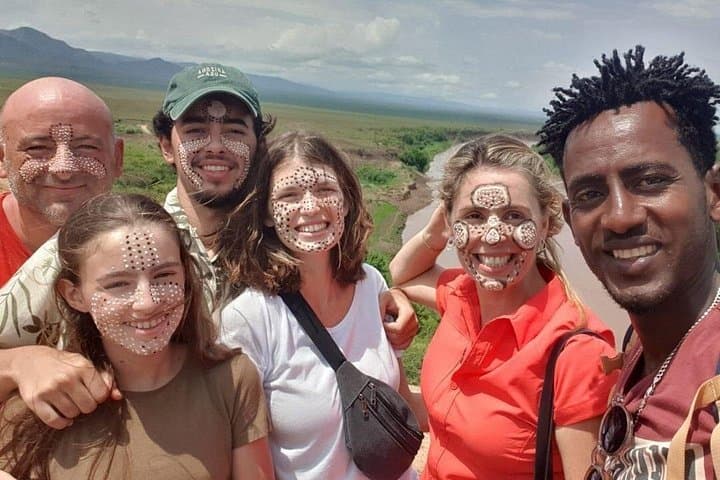
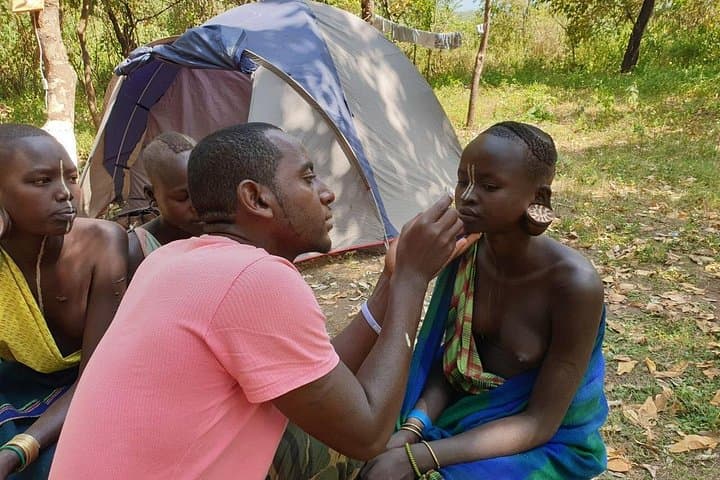
The Omo Valley is geologically young, carved by seasonal floods that deposit rich silt and sustain riverside gardens. Culturally it is one of Africa’s most diverse corridors—Hammer, Kara and Mursi communities practice distinct body art, hairstyle, and ceremonial customs that travelers come specifically to witness. Weekly markets like Alduba concentrate trade and social life; bull-jumping and lip-plate traditions are not performances but social milestones when they occur.
Practically, expect long drives and short walks between homesteads. The tour runs about 72 hours with internal flights between Addis Ababa and Jinka, plus 60–240 minute village visits and a 70 km drive to Mursi territory inside Mago National Park. Accommodations are basic lodges or guesthouses; photography may carry small ceremony fees. Healthwise, bring malaria prevention and sun protection; water can be sparse between villages.
Respectful curiosity is the single best skill: ask before photographing, accept local rhythms, and budget time for markets and unplanned encounters. With responsible guides, this is an intimate, transported sort of travel—rough-edged, immediate, and culturally rich.
easy.
3 days.
Suitable for travelers in general good health; involves walking short distances over uneven village paths and several hours in vehicles.
Most itineraries use a short domestic flight from Addis Ababa to Jinka; the tour operator typically includes transfers and local transport.
Guides aim for authentic encounters but some communities are accustomed to visitors; respectful behavior and following your guide’s lead keeps interactions genuine.
Light walking is required and some village terrain is uneven; travelers with serious mobility or health issues should check with the operator before booking.
Expect basic lodges and guesthouses with simple amenities—comfort varies by location, and electricity or hot water can be intermittent.
The Omo Valley has long been a cultural crossroads; its river floodplain has supported sedentary and semi-nomadic groups whose customs evolved around seasonal flood cycles.
Growing tourism brings income but can strain water and waste systems; responsible operators minimize impact by coordinating fees, limiting group sizes, and supporting local guides.
Omo River Tours operates guided outdoor trips and adventures with an emphasis on safety, stewardship, and memorable experiences.


You arrive to lowland light—dust lifting under the tires as a hired 4x4 pushes off from Jinka toward Turmi. Acacia and scrub slide past; the Omo River waits ahead, a braided ribbon daring you to cross into a world where villages still set their pace by age-old rites. Guides move with quiet authority here: they read markets, ritual calendars and river crossings the way a pilot reads the sky.
You arrive to lowland light—dust lifting under the tires as a hired 4x4 pushes off from Jinka toward Turmi. Acacia and scrub slide past; the Omo River waits ahead, a braided ribbon daring you to cross into a world where villages still set their pace by age-old rites. Guides move with quiet authority here: they read markets, ritual calendars and river crossings the way a pilot reads the sky.
The Omo Valley is geologically young, carved by seasonal floods that deposit rich silt and sustain riverside gardens. Culturally it is one of Africa’s most diverse corridors—Hammer, Kara and Mursi communities practice distinct body art, hairstyle, and ceremonial customs that travelers come specifically to witness. Weekly markets like Alduba concentrate trade and social life; bull-jumping and lip-plate traditions are not performances but social milestones when they occur.
Practically, expect long drives and short walks between homesteads. The tour runs about 72 hours with internal flights between Addis Ababa and Jinka, plus 60–240 minute village visits and a 70 km drive to Mursi territory inside Mago National Park. Accommodations are basic lodges or guesthouses; photography may carry small ceremony fees. Healthwise, bring malaria prevention and sun protection; water can be sparse between villages.
Respectful curiosity is the single best skill: ask before photographing, accept local rhythms, and budget time for markets and unplanned encounters. With responsible guides, this is an intimate, transported sort of travel—rough-edged, immediate, and culturally rich.