THE ADVENTURE COLLECTIVE® · Independent discovery and booking for outdoor travel

Spend eight days tracing rivers, markets and tribal ceremonies through Ethiopia’s Omo Valley. This private cultural safari blends village visits, market days and wildlife boat trips with practical guidance for respectful travel.
Spend eight days tracing rivers, markets and tribal ceremonies through Ethiopia’s Omo Valley. This private cultural safari blends village visits, market days and wildlife boat trips with practical guidance for respectful travel.
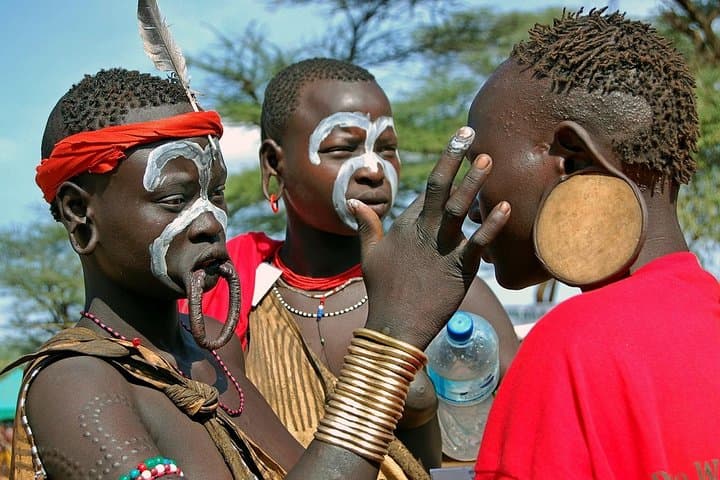
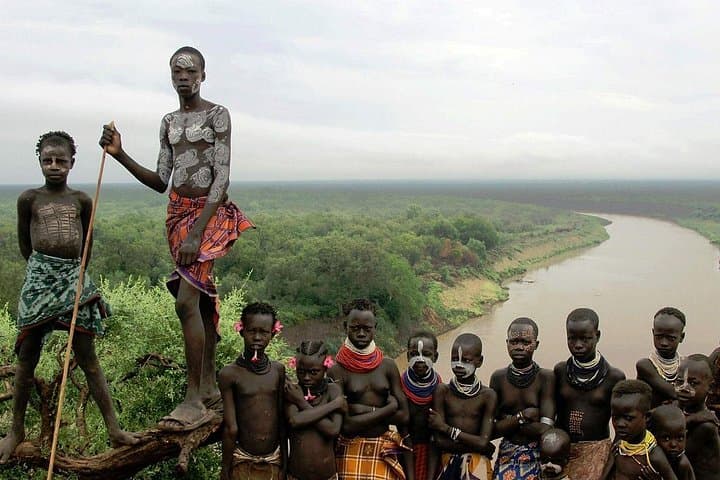
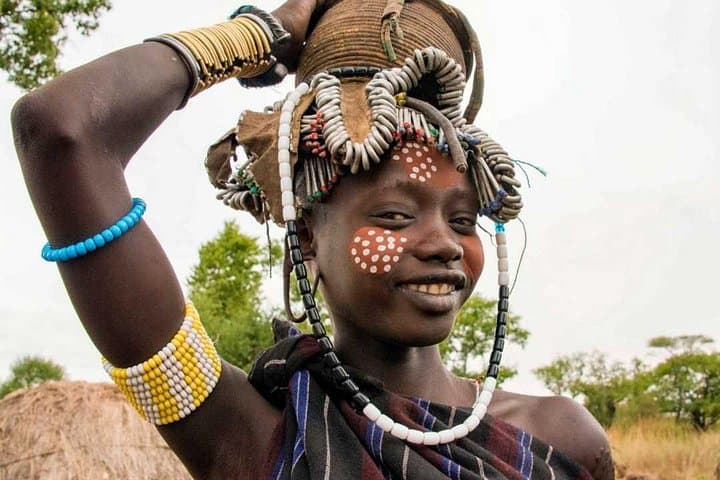
You arrive at dawn on a red-dust road and the valley opens like a map drawn in ochre and green — river channels cutting into low plateaus, thatched villages dotting sunbaked hills, and the distant clatter of market life. Over eight days the landscape changes from the volcanic ridges around Arba Minch to the raw floodplain of the Omo River, and the travel rhythm becomes a series of crossings, village visits and market mornings.
Verified experiences and guided adventures in the surrounding area.
Operated by Simien mountain ethiopia tours · Arba Minch, Southern Nations, Nationalities, and Peoples' Region
You arrive at dawn on a red-dust road and the valley opens like a map drawn in ochre and green — river channels cutting into low plateaus, thatched villages dotting sunbaked hills, and the distant clatter of market life. Over eight days the landscape changes from the volcanic ridges around Arba Minch to the raw floodplain of the Omo River, and the travel rhythm becomes a series of crossings, village visits and market mornings.
This region is one of Africa’s most culturally diverse places. Konso’s carved wakas and terraced fields speak of generations of engineered agriculture; the Tiya stelae near the route are a UNESCO reminder of ancient mortuary practices; rock-hewn Adadi Maryam points to Ethiopia’s deep Christian heritage amid the lowland tribal cultures. Geologically the area is an extension of the East African Rift, where rivers and seasonal floods have shaped fertile corridors that supported human settlement for millennia.
On this itinerary expect early market forays (Dimeka, Key Afer), a boat across Lake Chamo to see crocodiles and hippos, a local crossing of the Omo River to reach Dassenech communities, and potentially the Hamer bull-jumping ceremony — an intense cultural rite tied to age-grade transitions.
Practical guidance: travel is by air-conditioned vehicle with moderate daily drives; bring sun protection, insect repellent and a modest wardrobe for conservative villages. Photography etiquette and asking permission are essential. Hydration, sturdy walking shoes for uneven village tracks, and flexibility for market days and ceremonies will make the trip safe and rich. Guides will manage logistics, but the terrain and climate reward travelers who arrive prepared and curious.
moderate.
8 days.
Good general fitness for several medium-length drives, short walks, and boarding small boats; able to manage bumpy roads and heat.
Routine vaccines are recommended and yellow fever proof may be required for entry; consult a travel clinic well before departure for up-to-date advice and malaria prophylaxis.
Ceremonies are community events tied to local timing and circumstances; guides can increase the chance of attendance but cannot guarantee one will occur during your visit.
Expect long stretches of paved and unpaved roads with bumps and dust; travel is by air-conditioned vehicle but some transfers are several hours and can be tiring.
Infants are allowed but must sit on laps; consider heat, long drives, and cultural sensitivity — discuss specifics with the operator before booking.
The Omo Valley has been a crossroads of agro-pastoral and hunter-gatherer peoples for millennia; Konso terracing and Tiya stelae reflect long local traditions and UNESCO-recognized heritage.
This is an ecologically sensitive, culturally living landscape — minimize plastic waste, respect village rules, and use licensed guides whose fees support local communities.
Simien mountain ethiopia tours operates guided outdoor trips and adventures with an emphasis on safety, stewardship, and memorable experiences.
You arrive at dawn on a red-dust road and the valley opens like a map drawn in ochre and green — river channels cutting into low plateaus, thatched villages dotting sunbaked hills, and the distant clatter of market life. Over eight days the landscape changes from the volcanic ridges around Arba Minch to the raw floodplain of the Omo River, and the travel rhythm becomes a series of crossings, village visits and market mornings.
You arrive at dawn on a red-dust road and the valley opens like a map drawn in ochre and green — river channels cutting into low plateaus, thatched villages dotting sunbaked hills, and the distant clatter of market life. Over eight days the landscape changes from the volcanic ridges around Arba Minch to the raw floodplain of the Omo River, and the travel rhythm becomes a series of crossings, village visits and market mornings.
This region is one of Africa’s most culturally diverse places. Konso’s carved wakas and terraced fields speak of generations of engineered agriculture; the Tiya stelae near the route are a UNESCO reminder of ancient mortuary practices; rock-hewn Adadi Maryam points to Ethiopia’s deep Christian heritage amid the lowland tribal cultures. Geologically the area is an extension of the East African Rift, where rivers and seasonal floods have shaped fertile corridors that supported human settlement for millennia.
On this itinerary expect early market forays (Dimeka, Key Afer), a boat across Lake Chamo to see crocodiles and hippos, a local crossing of the Omo River to reach Dassenech communities, and potentially the Hamer bull-jumping ceremony — an intense cultural rite tied to age-grade transitions.
Practical guidance: travel is by air-conditioned vehicle with moderate daily drives; bring sun protection, insect repellent and a modest wardrobe for conservative villages. Photography etiquette and asking permission are essential. Hydration, sturdy walking shoes for uneven village tracks, and flexibility for market days and ceremonies will make the trip safe and rich. Guides will manage logistics, but the terrain and climate reward travelers who arrive prepared and curious.