THE ADVENTURE COLLECTIVE® · Independent discovery and booking for outdoor travel

Fly into Jinka and spend six days tracing rivers, villages and terraces through Ethiopia’s Omo Valley. This multi-day cultural circuit blends short walks, boat trips and market visits with authentic encounters among Mursi, Karo and Konso communities.
Fly into Jinka and spend six days tracing rivers, villages and terraces through Ethiopia’s Omo Valley. This multi-day cultural circuit blends short walks, boat trips and market visits with authentic encounters among Mursi, Karo and Konso communities.
A rusty Cessna drops you into a pocket of red earth and thorn scrub; the sun hangs low and the Omo River cuts the landscape into ribs. On arrival in Jinka, guides move with practiced ease—loading coolers, checking permits—and the road unfurls toward Turmi, Konso and the reed-fringed shores of Lake Chamo.
Verified experiences and guided adventures in the surrounding area.
Operated by Zagol Ethiopia Tours · Jinka, Southern Nations, Nationalities, and Peoples' Region
A rusty Cessna drops you into a pocket of red earth and thorn scrub; the sun hangs low and the Omo River cuts the landscape into ribs. On arrival in Jinka, guides move with practiced ease—loading coolers, checking permits—and the road unfurls toward Turmi, Konso and the reed-fringed shores of Lake Chamo.
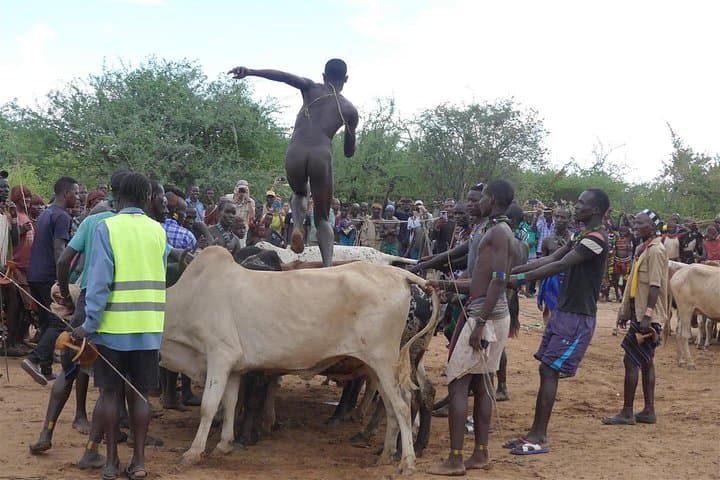
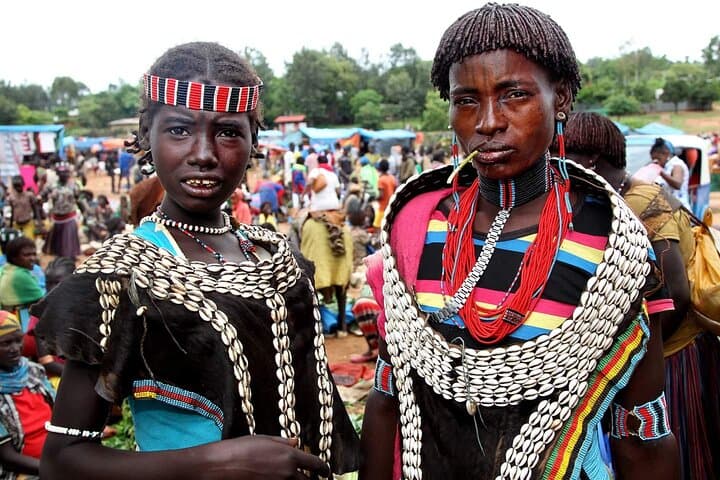
The Omo Valley is both recent and ancient: geologically young faulted plains carved by seasonal floods, and culturally old, home to dozens of ethnic groups whose lifeways persist in painted skin, wooden spires and ceremonial rites. The Konso terraces nearby are a living landscape of stonework and agriculture; the Mursi and Karo keep traditions such as lip plates and body painting that attract anthropologists and curious travelers alike. Markets in Turmi and roadside villages offer a pulse of daily exchange—livestock, beadwork and coffee rituals.
Practically, this is a travel-intensive itinerary: one domestic flight, multiple long drives on graded and unpaved roads, short guided walks and a boat trip on Lake Chamo to view crocodiles and hippos. Expect heat, dust and dramatic light; travel windows are best in the dry months when roads are reliable. Carry cash in small denominations, ask permission before photographing people, and plan for simple lodges—comfort is basic but clean.
Bring sun protection, steady footwear for village trails, insect repellent and patience: pace here is dictated by people and seasons, not the clock. The reward is immediate—raw cultural encounters framed by an African river that refuses to stand still.
moderate.
6 days.
Light to moderate fitness; participants should be comfortable with multiple short walks, boarding boats and long vehicle days.
Routine vaccinations are recommended; travelers should also consult a travel clinic about yellow fever (sometimes required), hepatitis A, typhoid and anti-malarial medication depending on season.
Photography is common but always ask first—some groups expect a small photo fee or have restrictions during sacred events; follow your guide’s advice.
Transfers vary from short drives (30–90 minutes) to longer stretches of 3–6 hours between Jinka, Turmi, Konso and Arba Minch—expect dusty conditions and roadside stops.
Lodging is basic to comfortable lodge-style with private rooms and shared amenities; expect simple hot-water availability and locally sourced meals.
The Omo Valley hosts dozens of ethnic groups whose cultural boundaries predate modern Ethiopia; the Konso terraces are centuries-old stone agriculture recognized for cultural landscape value.
The region faces pressures from dam projects, agricultural change and increased tourism; favor community-guided experiences, minimize plastic waste and follow established trails and local rules.
Zagol Ethiopia Tours operates guided outdoor trips and adventures with an emphasis on safety, stewardship, and memorable experiences.


A rusty Cessna drops you into a pocket of red earth and thorn scrub; the sun hangs low and the Omo River cuts the landscape into ribs. On arrival in Jinka, guides move with practiced ease—loading coolers, checking permits—and the road unfurls toward Turmi, Konso and the reed-fringed shores of Lake Chamo.
A rusty Cessna drops you into a pocket of red earth and thorn scrub; the sun hangs low and the Omo River cuts the landscape into ribs. On arrival in Jinka, guides move with practiced ease—loading coolers, checking permits—and the road unfurls toward Turmi, Konso and the reed-fringed shores of Lake Chamo.
The Omo Valley is both recent and ancient: geologically young faulted plains carved by seasonal floods, and culturally old, home to dozens of ethnic groups whose lifeways persist in painted skin, wooden spires and ceremonial rites. The Konso terraces nearby are a living landscape of stonework and agriculture; the Mursi and Karo keep traditions such as lip plates and body painting that attract anthropologists and curious travelers alike. Markets in Turmi and roadside villages offer a pulse of daily exchange—livestock, beadwork and coffee rituals.
Practically, this is a travel-intensive itinerary: one domestic flight, multiple long drives on graded and unpaved roads, short guided walks and a boat trip on Lake Chamo to view crocodiles and hippos. Expect heat, dust and dramatic light; travel windows are best in the dry months when roads are reliable. Carry cash in small denominations, ask permission before photographing people, and plan for simple lodges—comfort is basic but clean.
Bring sun protection, steady footwear for village trails, insect repellent and patience: pace here is dictated by people and seasons, not the clock. The reward is immediate—raw cultural encounters framed by an African river that refuses to stand still.