THE ADVENTURE COLLECTIVE® · Independent discovery and booking for outdoor travel

Five days of ground‑level encounters with the Mursi, Hamer, Karo and Dassanech tribes, driven from Jinka across Mago’s plains and the Omo floodplain. Expect markets, ceremonies (when they occur), rough roads and close cultural contact—bring cash, patience and good shoes.
Five days of ground‑level encounters with the Mursi, Hamer, Karo and Dassanech tribes, driven from Jinka across Mago’s plains and the Omo floodplain. Expect markets, ceremonies (when they occur), rough roads and close cultural contact—bring cash, patience and good shoes.
By dawn the minivan rumbles out of Jinka and the highland grit gives way to ochre plains; acacia silhouettes lean toward the Omo River, which dares you to step closer and read its braided channels. Over five days the itinerary threads through market towns, riverbanks and the low hills of Mago National Park, dropping visitors into villages where painted bodies and lip plates mark time the way language does.
Verified experiences and guided adventures in the surrounding area.
Operated by Degu Omo Valley Tour · Jinka, Southern Nations, Nationalities, and Peoples' Region
By dawn the minivan rumbles out of Jinka and the highland grit gives way to ochre plains; acacia silhouettes lean toward the Omo River, which dares you to step closer and read its braided channels. Over five days the itinerary threads through market towns, riverbanks and the low hills of Mago National Park, dropping visitors into villages where painted bodies and lip plates mark time the way language does.
The Omo Valley is geologically young—sediment from Ethiopian highlands has built the floodplain where some of Africa’s most distinctive pastoral and agropastoral cultures live. Tribes encountered typically include the Mursi, Hamer, Karo, Dassanech and Ari; each maintains ceremonies, market rhythms and material craft. Markets at Key’Afer and Demekka provide the clearest window into exchange, while bull‑jumping and decorative body painting are cultural acts that require permission and patience to observe.
Expect long unpaved drives, seasonal river crossings and basic lodging; the tour uses air‑conditioned minivan transport and small hotels. Walks in villages are short but uneven—sturdy footwear and sun protection are essential. Carry cash for market purchases and small tips; local guides bridge language and etiquette. Healthwise, bring insect repellent, stay current on routine vaccines, and plan malaria precautions with a clinician. Start early to catch market mornings and ceremonies; respect photography rules and always ask before shooting people. With proper preparation the Omo Valley tour is immersive, culturally rich and physically accessible to travelers in moderate shape who value slow, on‑the‑ground encounters.
Allow extra days for market or festival timing.
moderate.
5 days.
Suitable for travelers in moderate fitness—short village walks, long vehicle transfers, occasional uneven terrain.
Expect several hours of daily driving on unpaved roads between villages and to Mago National Park; travel time varies with weather.
Ceremonies are seasonal and not guaranteed; guides aim to time visits for markets and events but luck and local schedules matter.
Lodging is small hotels and guesthouses with essential amenities; expect limited services compared with urban hotels.
Families can join but should consider long drives, heat, and limited medical facilities; infants may need lap seating and parents should plan accordingly.
The Omo Valley’s floodplain formed from highland erosion; its isolation fostered distinctive languages, rituals and body‑art traditions still practiced today.
Mago and surrounding areas are ecologically sensitive—travelers should minimize waste, avoid disturbing wildlife and follow local guidance to reduce footprint.
Degu Omo Valley Tour operates guided outdoor trips and adventures with an emphasis on safety, stewardship, and memorable experiences.
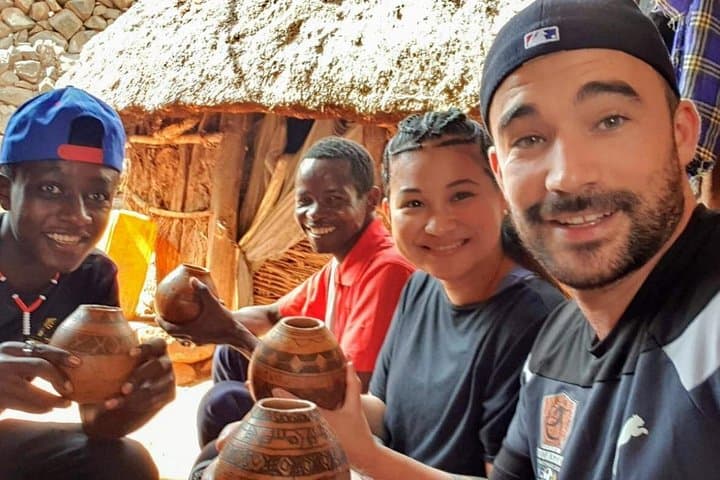
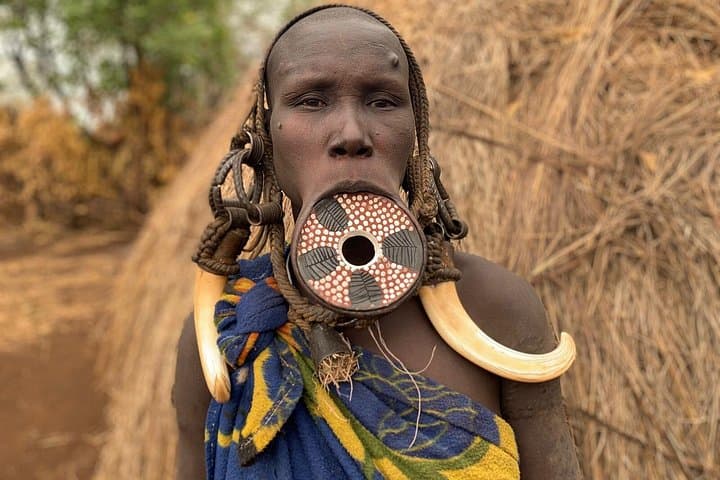

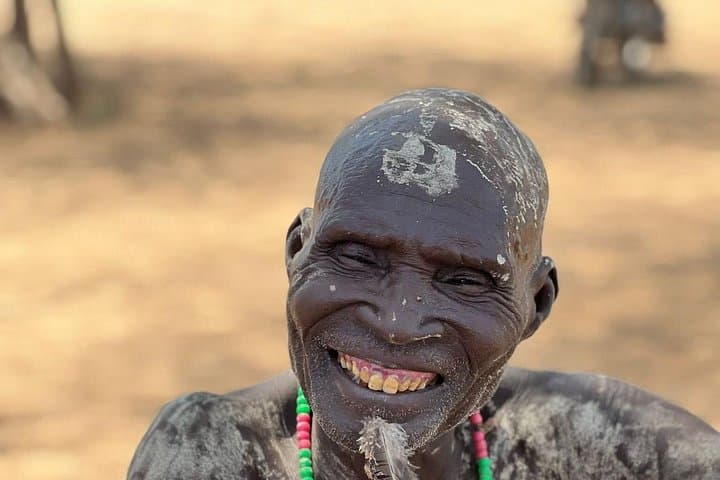
By dawn the minivan rumbles out of Jinka and the highland grit gives way to ochre plains; acacia silhouettes lean toward the Omo River, which dares you to step closer and read its braided channels. Over five days the itinerary threads through market towns, riverbanks and the low hills of Mago National Park, dropping visitors into villages where painted bodies and lip plates mark time the way language does.
By dawn the minivan rumbles out of Jinka and the highland grit gives way to ochre plains; acacia silhouettes lean toward the Omo River, which dares you to step closer and read its braided channels. Over five days the itinerary threads through market towns, riverbanks and the low hills of Mago National Park, dropping visitors into villages where painted bodies and lip plates mark time the way language does.
The Omo Valley is geologically young—sediment from Ethiopian highlands has built the floodplain where some of Africa’s most distinctive pastoral and agropastoral cultures live. Tribes encountered typically include the Mursi, Hamer, Karo, Dassanech and Ari; each maintains ceremonies, market rhythms and material craft. Markets at Key’Afer and Demekka provide the clearest window into exchange, while bull‑jumping and decorative body painting are cultural acts that require permission and patience to observe.
Expect long unpaved drives, seasonal river crossings and basic lodging; the tour uses air‑conditioned minivan transport and small hotels. Walks in villages are short but uneven—sturdy footwear and sun protection are essential. Carry cash for market purchases and small tips; local guides bridge language and etiquette. Healthwise, bring insect repellent, stay current on routine vaccines, and plan malaria precautions with a clinician. Start early to catch market mornings and ceremonies; respect photography rules and always ask before shooting people. With proper preparation the Omo Valley tour is immersive, culturally rich and physically accessible to travelers in moderate shape who value slow, on‑the‑ground encounters.
Allow extra days for market or festival timing.