THE ADVENTURE COLLECTIVE® · Independent discovery and booking for outdoor travel

Spend four days between Jinka and Turmi meeting Hamer, Karo, Dassenech and Mursi communities while crossing the raw, river-sculpted Omo Valley. Expect long dirt-road drives, simple lodgings, and close cultural encounters guided by a local expert.
Spend four days between Jinka and Turmi meeting Hamer, Karo, Dassenech and Mursi communities while crossing the raw, river-sculpted Omo Valley. Expect long dirt-road drives, simple lodgings, and close cultural encounters guided by a local expert.
The engine hums low as the Land Cruiser leaves paved road and the air changes — dry dust, riverine green and the distant hum of market voices. Over four days travelers move between Jinka and Turmi, through scrub and river terraces where the Omo River has carved slow, layered cliffs that hold both geological time and living cultures.
Verified experiences and guided adventures in the surrounding area.
Operated by Arba Minch Tour And Travel · Jinka, Southern Nations, Nationalities, and Peoples' Region
The engine hums low as the Land Cruiser leaves paved road and the air changes — dry dust, riverine green and the distant hum of market voices. Over four days travelers move between Jinka and Turmi, through scrub and river terraces where the Omo River has carved slow, layered cliffs that hold both geological time and living cultures.
This route crosses the Lower Omo River basin, an area celebrated by anthropologists and paleontologists for ancient human sites and by ethnographers for its dense concentration of diverse ethnic groups. Geologically the valley is recent alluvium and volcanic highlands feed seasonal floods; Mago National Park’s savanna and gallery forest provide wildlife corridors that the tour follows en route to Mursi and Dassenech villages.
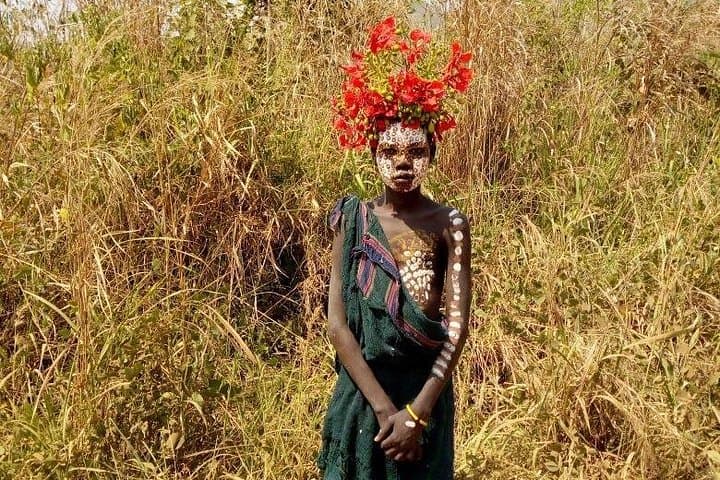
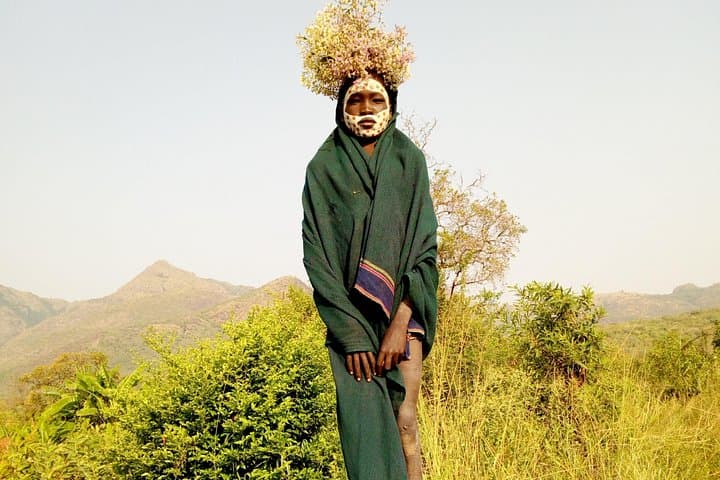
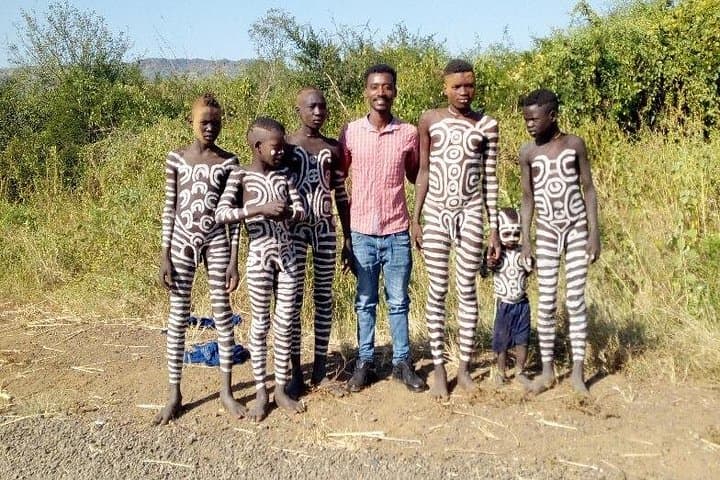
Culturally the trip centers on encounters: Hamer bull-jumping in Turmi, Karo body-painting along the Omo’s banks, Dassenech riverine livelihoods, and the striking lip-plate traditions of the Mursi. Local guides interpret ceremonies, kinship, and traditional dress while lodges offer basic comfort — expect simple rooms at Buska Lodge and Jinka Resort and long stretches on dirt roads (daily drives range from roughly 4–9 hours).
Practically, prepare for long vehicle days, intense sun, and limited connectivity. Pack sun protection, a refillable water bottle, binoculars, and a quick-dry shirt. Respect photography rules — ask before taking portraits or entering ceremonial spaces. Health-wise, consult a travel clinic about vaccinations and malaria prevention; bring cash for tips and local purchases. With respectful curiosity and solid preparation, this four-day loop delivers intimate cultural encounters framed by raw, open landscapes.
easy.
4 days.
Suitable for travelers in average physical condition — mainly vehicle-based with short walks and standing during market or village visits.
The dry season (December–February and October–November) offers the most reliable road conditions and clearer skies for village visits and wildlife viewing.
Most villages welcome visitors year-round but access to specific ceremonies can be seasonal; your guide will advise on appropriate times and etiquette.
Yes—the itinerary is rated physically easy, but long vehicle days and cultural sensitivity mean planning breaks and discussing photography with children is important.
Consult a travel clinic before departure; routine vaccinations and malaria prevention are commonly recommended for southern Ethiopia.
The Lower Omo Valley has long been a crossroads of human history — archaeologists have found early hominin sites and the region supports a complex mosaic of ethnic groups with distinct traditions.
Development and irrigation projects threaten river flows and traditional livelihoods; travel that uses local guides and contributes to community lodges supports on-the-ground conservation and cultural resilience.
Arba Minch Tour And Travel operates guided outdoor trips and adventures with an emphasis on safety, stewardship, and memorable experiences.

The engine hums low as the Land Cruiser leaves paved road and the air changes — dry dust, riverine green and the distant hum of market voices. Over four days travelers move between Jinka and Turmi, through scrub and river terraces where the Omo River has carved slow, layered cliffs that hold both geological time and living cultures.
The engine hums low as the Land Cruiser leaves paved road and the air changes — dry dust, riverine green and the distant hum of market voices. Over four days travelers move between Jinka and Turmi, through scrub and river terraces where the Omo River has carved slow, layered cliffs that hold both geological time and living cultures.
This route crosses the Lower Omo River basin, an area celebrated by anthropologists and paleontologists for ancient human sites and by ethnographers for its dense concentration of diverse ethnic groups. Geologically the valley is recent alluvium and volcanic highlands feed seasonal floods; Mago National Park’s savanna and gallery forest provide wildlife corridors that the tour follows en route to Mursi and Dassenech villages.
Culturally the trip centers on encounters: Hamer bull-jumping in Turmi, Karo body-painting along the Omo’s banks, Dassenech riverine livelihoods, and the striking lip-plate traditions of the Mursi. Local guides interpret ceremonies, kinship, and traditional dress while lodges offer basic comfort — expect simple rooms at Buska Lodge and Jinka Resort and long stretches on dirt roads (daily drives range from roughly 4–9 hours).
Practically, prepare for long vehicle days, intense sun, and limited connectivity. Pack sun protection, a refillable water bottle, binoculars, and a quick-dry shirt. Respect photography rules — ask before taking portraits or entering ceremonial spaces. Health-wise, consult a travel clinic about vaccinations and malaria prevention; bring cash for tips and local purchases. With respectful curiosity and solid preparation, this four-day loop delivers intimate cultural encounters framed by raw, open landscapes.