THE ADVENTURE COLLECTIVE® · Independent discovery and booking for outdoor travel

Step off the train from Kyoto and into Ohmi Hachiman’s willow-lined canals, merchant houses, and low hills. This accessible day trip blends walking, a kawara museum visit, and an optional boat or gondola ride for a compact taste of regional history.
Step off the train from Kyoto and into Ohmi Hachiman’s willow-lined canals, merchant houses, and low hills. This accessible day trip blends walking, a kawara museum visit, and an optional boat or gondola ride for a compact taste of regional history.
The day opens with the gentle clack of a local train as it eases out of Kyoto, and by midmorning you step onto Ohmi Hachiman’s platform surrounded by low hills and tile-roofed houses.
Verified experiences and guided adventures in the surrounding area.
Operated by MY Travel Consulting · Omihachiman, Shiga Prefecture
The day opens with the gentle clack of a local train as it eases out of Kyoto, and by midmorning you step onto Ohmi Hachiman’s platform surrounded by low hills and tile-roofed houses.
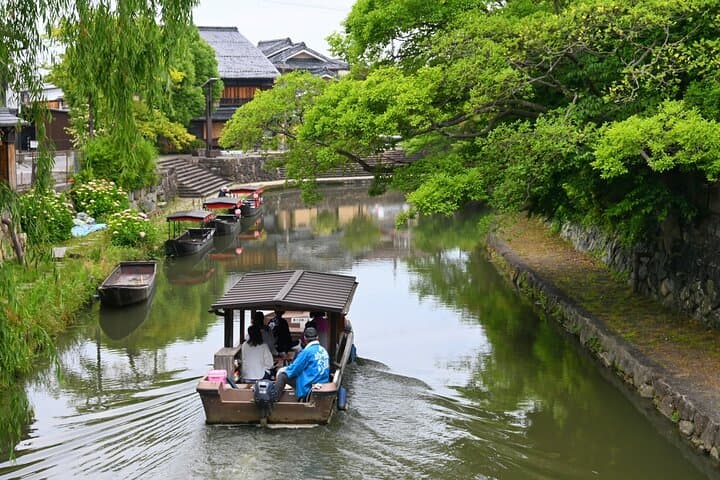
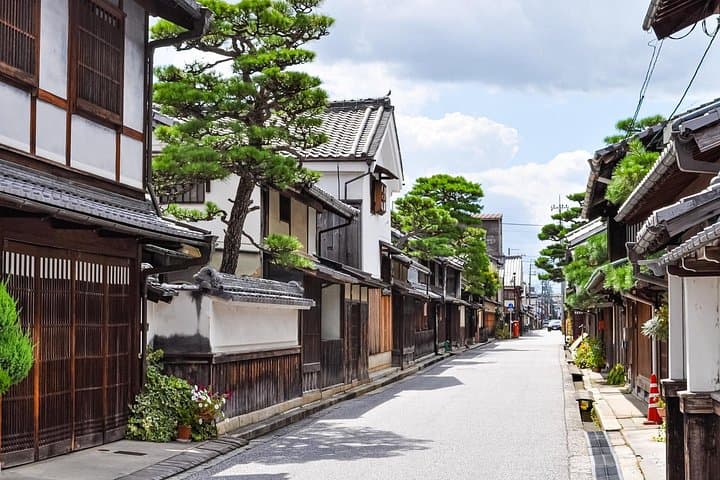
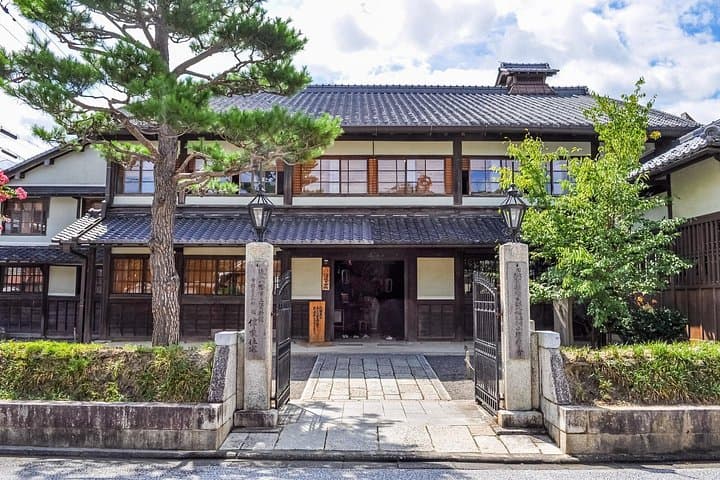
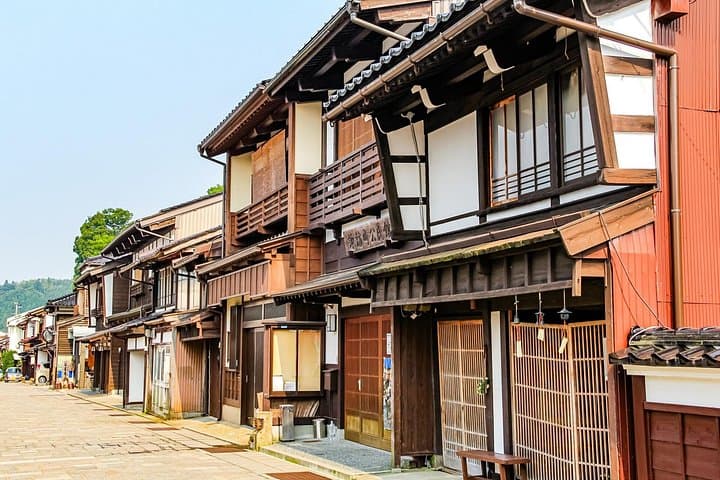
Walks here feel deliberate: willow-lined canals cut through the town like ink strokes, old merchant warehouses stand with wooden lattices, and the air smells faintly of river water and street food. The itinerary moves from platform to canal, through a kawara (roof-tile) museum, past merchants’ homes, and up toward a hillside view reached either by a short climb or a gondola ride that rewards with a sweep of the valley.
Historically, Ohmi Hachiman grew wealthy from the Omi merchant network that supplied feudal Japan; the canals were arteries for goods and ideas, and many buildings date from the Edo and Meiji periods. Geology here is gentle—low rolling hills of sediment and old terraces above Lake Biwa—so trails are short but often stepped. Culture is tangible: lacquer shops, small shrines, and local specialties that reflect a mercantile past.
Practical guidance: expect about 6–8 hours on a private, mostly-walking day trip with some stairs. Bring comfortable shoes for cobbles and slopes, a light rain layer in spring and fall, and a pocket of yen for small museums or snacks. If you prefer a slower pace, choose the boat option on the canal to trade steps for water. Tours commonly include train fares and museum admission; confirm pickup details and museum closures if visiting on Monday.
moderate.
6–8 hours.
Moderate—able to walk several miles on uneven surfaces and climb short flights of stairs.
Most tours include round-trip local train fare; independently, take a JR or private line from Kyoto to Omihachiman station—about 30–50 minutes depending on route.
Itineraries often offer the boat as an option; check the tour details—some plans include it, others offer it as an add-on or seasonal service.
This tour notes public transportation fees and admission are included, but confirm specific sites listed and any optional activities before booking.
Yes—this private day trip is family-friendly; choose the boat over the hill climb if mobility or energy is a concern.
Ohmi Hachiman prospered as the home base for Omi merchants; canals and warehouses supported regional trade from the Edo through Meiji periods.
The historic district is actively preserved—follow local rules, avoid stepping on canal banks, and support family-run shops to keep traditional crafts viable.
MY Travel Consulting operates guided outdoor trips and adventures with an emphasis on safety, stewardship, and memorable experiences.
The day opens with the gentle clack of a local train as it eases out of Kyoto, and by midmorning you step onto Ohmi Hachiman’s platform surrounded by low hills and tile-roofed houses.
The day opens with the gentle clack of a local train as it eases out of Kyoto, and by midmorning you step onto Ohmi Hachiman’s platform surrounded by low hills and tile-roofed houses.
Walks here feel deliberate: willow-lined canals cut through the town like ink strokes, old merchant warehouses stand with wooden lattices, and the air smells faintly of river water and street food. The itinerary moves from platform to canal, through a kawara (roof-tile) museum, past merchants’ homes, and up toward a hillside view reached either by a short climb or a gondola ride that rewards with a sweep of the valley.
Historically, Ohmi Hachiman grew wealthy from the Omi merchant network that supplied feudal Japan; the canals were arteries for goods and ideas, and many buildings date from the Edo and Meiji periods. Geology here is gentle—low rolling hills of sediment and old terraces above Lake Biwa—so trails are short but often stepped. Culture is tangible: lacquer shops, small shrines, and local specialties that reflect a mercantile past.
Practical guidance: expect about 6–8 hours on a private, mostly-walking day trip with some stairs. Bring comfortable shoes for cobbles and slopes, a light rain layer in spring and fall, and a pocket of yen for small museums or snacks. If you prefer a slower pace, choose the boat option on the canal to trade steps for water. Tours commonly include train fares and museum admission; confirm pickup details and museum closures if visiting on Monday.