THE ADVENTURE COLLECTIVE® · Independent discovery and booking for outdoor travel

Experience Muscat’s first public aquarium with a walk-through underwater tunnel, daily penguin feedings and exhibits focused on local marine life. Plan for a 2–3 hour visit and time your trip for the 2 PM penguin show.
Experience Muscat’s first public aquarium with a walk-through underwater tunnel, daily penguin feedings and exhibits focused on local marine life. Plan for a 2–3 hour visit and time your trip for the 2 PM penguin show.
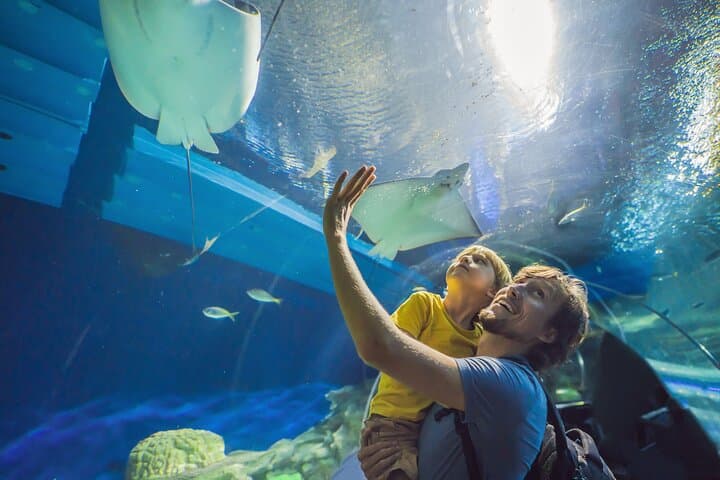
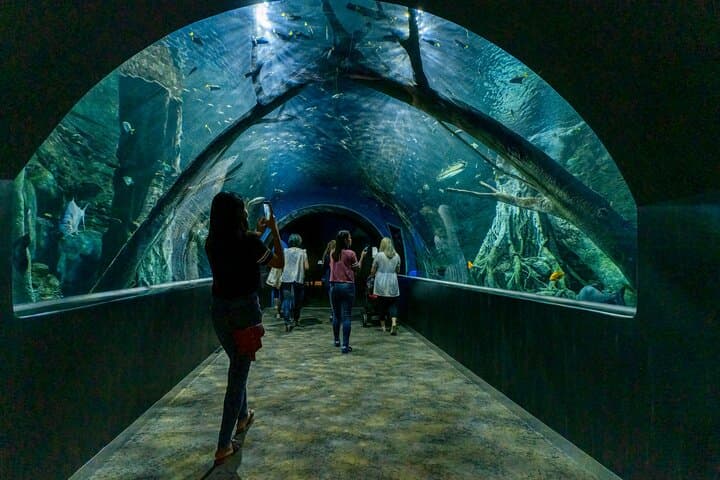
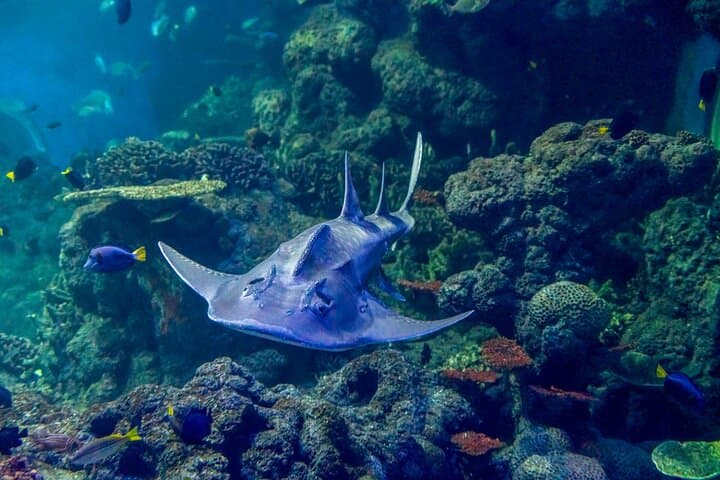
Step through the Mall of Muscat doors and the noise of the city falls away; the first tank greets you with slow, deliberate motion and the underwater tunnel bends light into a cobalt corridor. The aquarium maps the old Indian Ocean routes of 15th-century mariner Ahmed Ibn Majid, guiding visitors from East African shoals through coral gardens to Indonesian reefs—scaled displays that make oceanic currents feel personal.
Verified experiences and guided adventures in the surrounding area.
Operated by Oman Aquarium · Muscat, Muscat Governorate
Step through the Mall of Muscat doors and the noise of the city falls away; the first tank greets you with slow, deliberate motion and the underwater tunnel bends light into a cobalt corridor. The aquarium maps the old Indian Ocean routes of 15th-century mariner Ahmed Ibn Majid, guiding visitors from East African shoals through coral gardens to Indonesian reefs—scaled displays that make oceanic currents feel personal.
Oman’s coastline is young in geological terms, a meeting of Arabian shelf and Indian Ocean life that brought traders and sailors for centuries. The aquarium leans into that maritime culture: exhibits emphasize locally sourced species (over 70% are collected from Omani waters) and highlight the first South African penguins on display in the country. Panels and daily talks explain regional fisheries, coral reef structure, and the human history of seafaring navigation.
Practicalities are straightforward. Prebooked admission gives flexible entry for a 2–3 hour visit; the penguin feeding is at 2 PM daily and offers the best close-up viewing. Spaces are fully accessible and stroller-friendly. Wear comfortable shoes for walking through galleries and bring a light layer—the tunnel and exhibit halls are air-conditioned. Photography is welcome but avoid flash near sensitive tanks. Weekends and school holidays draw families; aim for mid-morning or late afternoon for quieter viewing.
This is an efficient, educational stop in Muscat for anyone wanting a short, immersive encounter with Arabian marine life—especially useful on hot days when outdoor options are less appealing.
easy.
2–3 hours.
Suitable for all fitness levels; mostly indoor walking on flat surfaces.
Allocate about 2–3 hours to see the galleries, walk the underwater tunnel and catch the 2 PM penguin feeding show.
Prebooked tickets offer flexible entry within the day; check the vendor confirmation for any specific time-slot conditions.
Yes—exhibits, entrances and walkways are accessible, and the site is stroller-friendly.
Food is generally not allowed inside exhibit spaces; use the mall’s food court or designated dining areas before or after your visit.
The aquarium’s narrative follows Ahmed Ibn Majid’s 15th-century Indian Ocean voyages, linking regional seafaring history with marine biodiversity.
By sourcing over 70% of its collection from local waters, the aquarium minimizes transport emissions and emphasizes regional conservation; educational programs focus on reef protection and responsible fishing.
Oman Aquarium operates guided outdoor trips and adventures with an emphasis on safety, stewardship, and memorable experiences.

Step through the Mall of Muscat doors and the noise of the city falls away; the first tank greets you with slow, deliberate motion and the underwater tunnel bends light into a cobalt corridor. The aquarium maps the old Indian Ocean routes of 15th-century mariner Ahmed Ibn Majid, guiding visitors from East African shoals through coral gardens to Indonesian reefs—scaled displays that make oceanic currents feel personal.
Step through the Mall of Muscat doors and the noise of the city falls away; the first tank greets you with slow, deliberate motion and the underwater tunnel bends light into a cobalt corridor. The aquarium maps the old Indian Ocean routes of 15th-century mariner Ahmed Ibn Majid, guiding visitors from East African shoals through coral gardens to Indonesian reefs—scaled displays that make oceanic currents feel personal.
Oman’s coastline is young in geological terms, a meeting of Arabian shelf and Indian Ocean life that brought traders and sailors for centuries. The aquarium leans into that maritime culture: exhibits emphasize locally sourced species (over 70% are collected from Omani waters) and highlight the first South African penguins on display in the country. Panels and daily talks explain regional fisheries, coral reef structure, and the human history of seafaring navigation.
Practicalities are straightforward. Prebooked admission gives flexible entry for a 2–3 hour visit; the penguin feeding is at 2 PM daily and offers the best close-up viewing. Spaces are fully accessible and stroller-friendly. Wear comfortable shoes for walking through galleries and bring a light layer—the tunnel and exhibit halls are air-conditioned. Photography is welcome but avoid flash near sensitive tanks. Weekends and school holidays draw families; aim for mid-morning or late afternoon for quieter viewing.
This is an efficient, educational stop in Muscat for anyone wanting a short, immersive encounter with Arabian marine life—especially useful on hot days when outdoor options are less appealing.