THE ADVENTURE COLLECTIVE® · Independent discovery and booking for outdoor travel

A single long day from Seattle delivers the Hoh Rainforest, Ruby Beach’s sea stacks, Quinault groves and Lake Crescent — short walks, dramatic scenery, and local guides who know where to pause for photos and wildlife.
A single long day from Seattle delivers the Hoh Rainforest, Ruby Beach’s sea stacks, Quinault groves and Lake Crescent — short walks, dramatic scenery, and local guides who know where to pause for photos and wildlife.
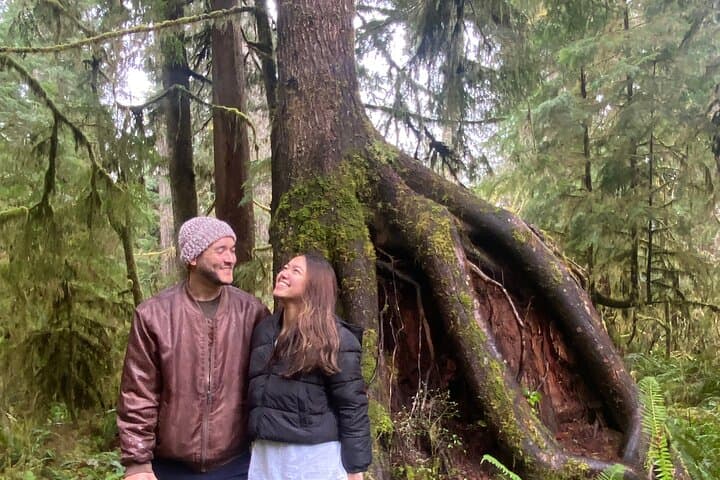
By the time the ferry sighs away from the Seattle skyline, the city feels like a memory folded into a map. The van hums north and west, and as the freeway thins the air changes: cooler, salt-sweet, threaded with cedar. Within a few hours the landscape shifts from roadside pines to the slow, patient green of the temperate rainforest. Moss bows from maple limbs as if the trees are lowering their hats; the beach at Ruby challenges the ocean to be any duller.
Verified experiences and guided adventures in the surrounding area.
Operated by Max Travel Tours · Forks, Washington
By the time the ferry sighs away from the Seattle skyline, the city feels like a memory folded into a map. The van hums north and west, and as the freeway thins the air changes: cooler, salt-sweet, threaded with cedar. Within a few hours the landscape shifts from roadside pines to the slow, patient green of the temperate rainforest. Moss bows from maple limbs as if the trees are lowering their hats; the beach at Ruby challenges the ocean to be any duller.
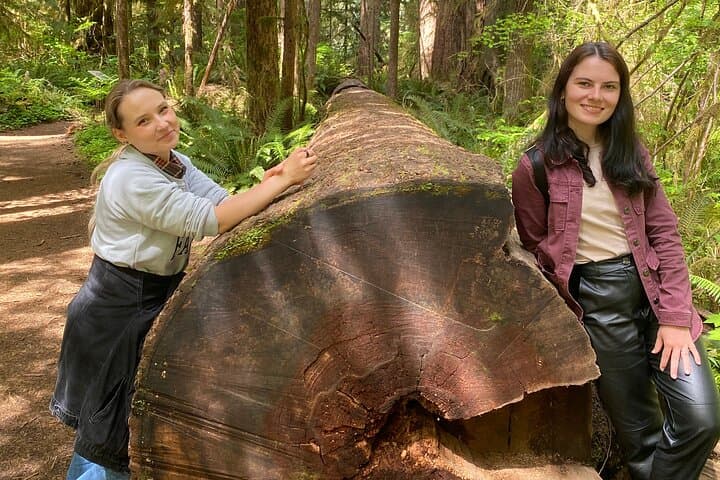
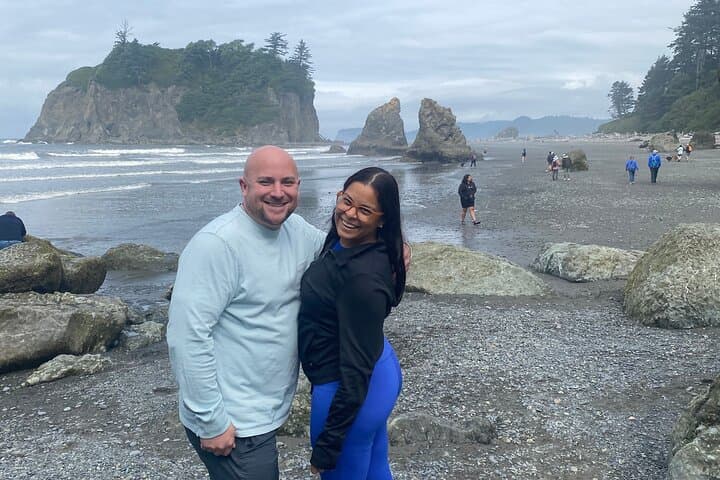
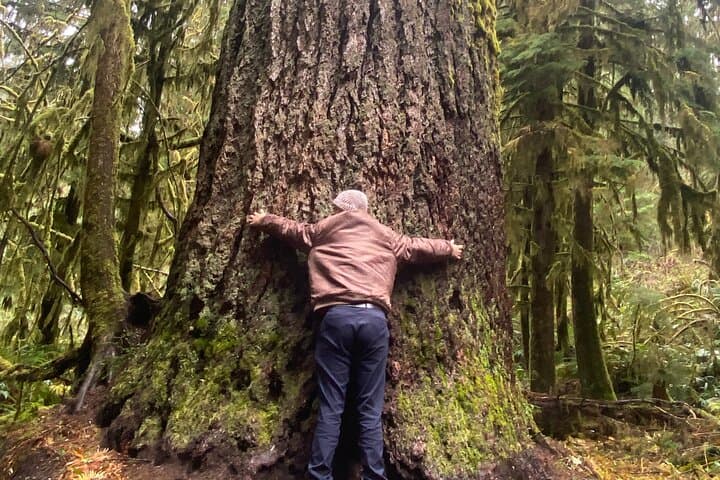
This full-day, roughly 12.5-hour circuit stitches together the Olympic Peninsula’s most visceral scenes: the Hall of Mosses in the Hoh Rainforest, beachcombing at Ruby Beach with its haystack rocks, a quick immersion in the Quinault grove and the reflective blue of Lake Crescent. Geologically, this coastline is young and dramatic — tectonics pushed these mountains up while glacial and marine forces carved the shore, leaving sea stacks and log-strewn beaches. Culturally, the peninsula carries the imprint of Native Coast Salish and Makah peoples and later logging and resort histories; the Quinault Resort Lodge itself has links back to the park’s founding era when Franklin D. Roosevelt formalized protection for this wilderness.
The hiking is short and tactile: boardwalk and packed-soil loops of 0.5–1.5 miles, low elevation and little sustained climb, but often muddy and root-strewn. Ruby Beach is wind-and-wave terrain: bring tide awareness and expect the sand to give underfoot. The tour packs local knowledge — photo vantage points, tide timing, and the best spots to watch for elk or sea birds — and includes snacks and drinks for the ride.
Practical rhythm matters: this is a long day on the road with several short walks rather than a single long trek. Start early, favor a layered system for rapidly changing coastal weather, and choose footwear that handles sand, mud, and slick boardwalks. If you’re aiming for pictures, low light across Lake Crescent and the Hall of Mosses rewards wide-angle framing; Ruby Beach is about silhouettes against surf. Be mindful that Hoh access can be restricted in mid-summer due to long entry waits; the itinerary flexes to Quinault or additional beach time when needed.
For travelers who want a compact but soulful sample of Olympic National Park, this tour is efficient and grounded — it doesn’t rush the moments that matter. Expect salt on your jacket, moss in your hair if you linger, and the sort of landscapes that push you to slow down and let the place do the talking.
moderate.
12–13 hours.
Comfortable for most active travelers; requires ability to do multiple short walks (0.5–1.5 miles) and handle a long day in a vehicle.
The tour is approximately 12.5 hours with multiple short stops (typically 30–60 minutes each) and light walking rather than long hikes.
Generally yes, but from late June through early August access can be limited due to long entry waits; the guide will adjust the route to Quinault or add beach time if needed.
Snacks and drinks are included (craft chocolate bars, trail mix, water); lunch in Forks is on your own with several casual options available.
Pickup at The Westin (1900 5th Ave) is available; hotel pickup for smaller groups may be limited — larger groups or special arrangements can sometimes be accommodated.
Yes — the walks are short and accessible, but the full day may be tiring; people with limited mobility should contact the operator to discuss specifics.
Common sightings include elk, coastal birds (gulls, bald eagles), and occasionally harbor seals along the beaches.
The Quinault Lodge is linked to early park history — President Franklin D. Roosevelt stayed there during the park’s establishment era; the region has long been stewarded by Coast Salish peoples.
Olympic’s ecosystems are sensitive to trampling and introduced species; stay on trails, pack out waste, and respect tide pool and marine life protections.
Max Travel Tours operates guided outdoor trips and adventures with an emphasis on safety, stewardship, and memorable experiences.
By the time the ferry sighs away from the Seattle skyline, the city feels like a memory folded into a map. The van hums north and west, and as the freeway thins the air changes: cooler, salt-sweet, threaded with cedar. Within a few hours the landscape shifts from roadside pines to the slow, patient green of the temperate rainforest. Moss bows from maple limbs as if the trees are lowering their hats; the beach at Ruby challenges the ocean to be any duller.
By the time the ferry sighs away from the Seattle skyline, the city feels like a memory folded into a map. The van hums north and west, and as the freeway thins the air changes: cooler, salt-sweet, threaded with cedar. Within a few hours the landscape shifts from roadside pines to the slow, patient green of the temperate rainforest. Moss bows from maple limbs as if the trees are lowering their hats; the beach at Ruby challenges the ocean to be any duller.
This full-day, roughly 12.5-hour circuit stitches together the Olympic Peninsula’s most visceral scenes: the Hall of Mosses in the Hoh Rainforest, beachcombing at Ruby Beach with its haystack rocks, a quick immersion in the Quinault grove and the reflective blue of Lake Crescent. Geologically, this coastline is young and dramatic — tectonics pushed these mountains up while glacial and marine forces carved the shore, leaving sea stacks and log-strewn beaches. Culturally, the peninsula carries the imprint of Native Coast Salish and Makah peoples and later logging and resort histories; the Quinault Resort Lodge itself has links back to the park’s founding era when Franklin D. Roosevelt formalized protection for this wilderness.
The hiking is short and tactile: boardwalk and packed-soil loops of 0.5–1.5 miles, low elevation and little sustained climb, but often muddy and root-strewn. Ruby Beach is wind-and-wave terrain: bring tide awareness and expect the sand to give underfoot. The tour packs local knowledge — photo vantage points, tide timing, and the best spots to watch for elk or sea birds — and includes snacks and drinks for the ride.
Practical rhythm matters: this is a long day on the road with several short walks rather than a single long trek. Start early, favor a layered system for rapidly changing coastal weather, and choose footwear that handles sand, mud, and slick boardwalks. If you’re aiming for pictures, low light across Lake Crescent and the Hall of Mosses rewards wide-angle framing; Ruby Beach is about silhouettes against surf. Be mindful that Hoh access can be restricted in mid-summer due to long entry waits; the itinerary flexes to Quinault or additional beach time when needed.
For travelers who want a compact but soulful sample of Olympic National Park, this tour is efficient and grounded — it doesn’t rush the moments that matter. Expect salt on your jacket, moss in your hair if you linger, and the sort of landscapes that push you to slow down and let the place do the talking.