THE ADVENTURE COLLECTIVE® · Independent discovery and booking for outdoor travel

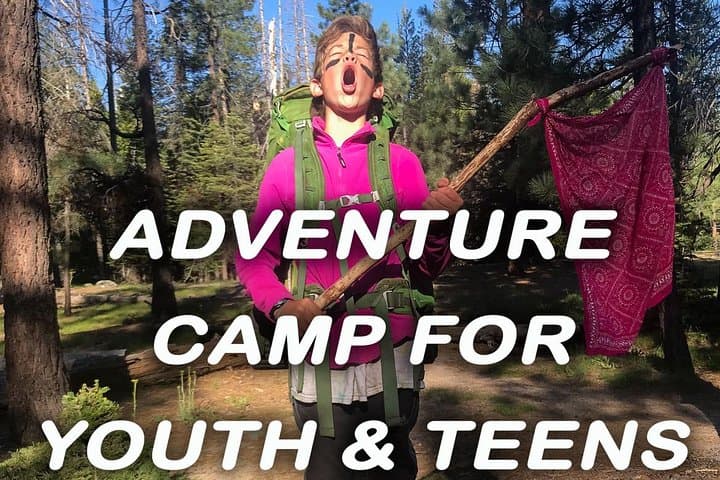
A six-day youth backpacking program that moves from Lake Crescent to the Pacific coast, combining leadership training with real backcountry navigation, campcraft, and tide-dependent beach travel. Expect varied terrain, guided instruction, and intentional skill-building for 14–18-year-olds.
A six-day youth backpacking program that moves from Lake Crescent to the Pacific coast, combining leadership training with real backcountry navigation, campcraft, and tide-dependent beach travel. Expect varied terrain, guided instruction, and intentional skill-building for 14–18-year-olds.
A late-June sun slides over Lake Crescent as a dozen backpacks dot the shoreline and a guide calls the group to circle. The air smells like cold water and cedar; the lake refuses to be still, its small waves daring you to leave the shore and follow the trail deeper into Olympic’s high country.
Verified experiences and guided adventures in the surrounding area.
Operated by Lasting Adventures · Port Angeles, WA
A late-June sun slides over Lake Crescent as a dozen backpacks dot the shoreline and a guide calls the group to circle. The air smells like cold water and cedar; the lake refuses to be still, its small waves daring you to leave the shore and follow the trail deeper into Olympic’s high country.
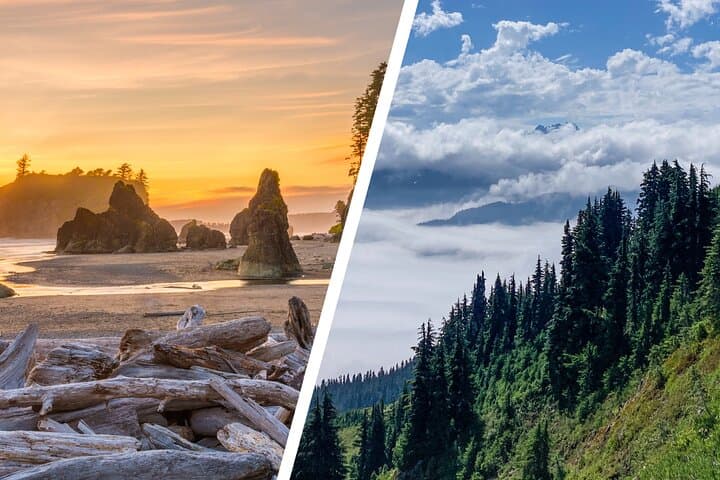
Over six days, campers move from Fairholme Campground to coastal hinterlands — Rialto Beach, Chilean and Norwegian Memorials, Yellow Banks, Cape Alava, and out to Ozette — carrying tents, food, and skills. The park itself is a study in contrasts: folded basalt and sedimentary benches along the coast, glacier-scraped valleys and high alpine lakes inland, all shaped by tectonics and ice. Indigenous Makah, Quileute and other Coast Salish peoples have long ties to these places; the park established in 1938 protects both natural processes and cultural sites.
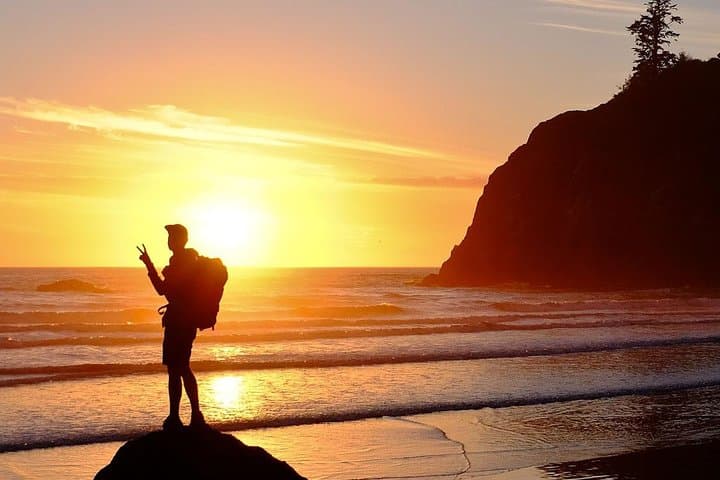
Expect long daylight, variable summer weather, and tide-dependent route sections where the ocean asserts control. Guides teach leadership, backcountry camping, map-and-compass basics and low-impact techniques; evenings are for skill sessions and watching light change on sea stacks.
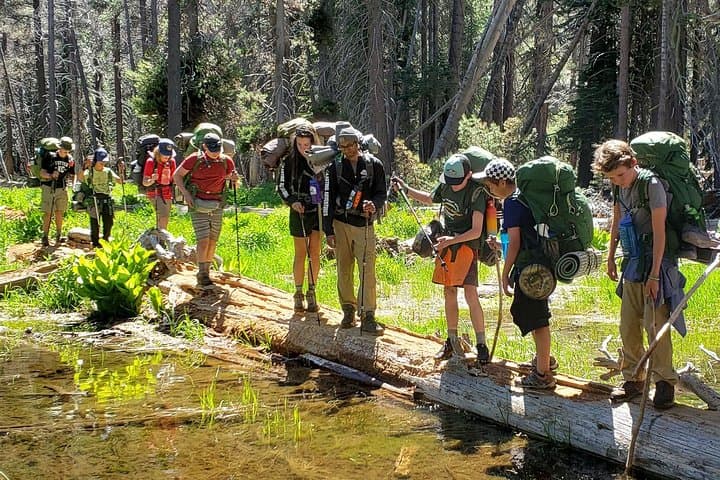
Practically, plan for 3–6 mile trail days, some flat beach walking, some rocky tide sections, moderate elevation change, and group-carry rhythms. Bring sturdy boots, layers for coastal wind, a rain shell, and a 45–55L pack. Hydration, tide tables, and a compact headlamp matter more than extra luxuries. For parents, this is structured wilderness learning — a place where kids test limits, build competence, and return with clearer confidence and new skills.
moderate.
6 days.
Participants should have a moderate level of fitness: able to hike 3–7 miles over uneven terrain while carrying a daypack; practice hikes beforehand are recommended.
The program is designed for 14–18 year olds and groups are organized by similar ages to match skill and social dynamics.
No—both new and experienced backpackers are welcome, but a moderate fitness base and comfort with day hikes helps.
Yes—park entry fees apply; the trip notes that you will need to pay the Olympic National Park entry fee upon arrival for drop-off.
Tents, sleeping bags/pads and backpacks are included, along with professional outdoor educators and backcountry meals.
Olympic National Park, established in 1938, protects lands long used by Coast Salish peoples; coastal trails cross areas with interwoven natural and cultural histories.
The program emphasizes Leave No Trace, small group impact, and adherence to tide- and campsite rules to protect fragile intertidal zones and limit wildlife disturbance.
Lasting Adventures operates guided outdoor trips and adventures with an emphasis on safety, stewardship, and memorable experiences.
A late-June sun slides over Lake Crescent as a dozen backpacks dot the shoreline and a guide calls the group to circle. The air smells like cold water and cedar; the lake refuses to be still, its small waves daring you to leave the shore and follow the trail deeper into Olympic’s high country.
A late-June sun slides over Lake Crescent as a dozen backpacks dot the shoreline and a guide calls the group to circle. The air smells like cold water and cedar; the lake refuses to be still, its small waves daring you to leave the shore and follow the trail deeper into Olympic’s high country.
Over six days, campers move from Fairholme Campground to coastal hinterlands — Rialto Beach, Chilean and Norwegian Memorials, Yellow Banks, Cape Alava, and out to Ozette — carrying tents, food, and skills. The park itself is a study in contrasts: folded basalt and sedimentary benches along the coast, glacier-scraped valleys and high alpine lakes inland, all shaped by tectonics and ice. Indigenous Makah, Quileute and other Coast Salish peoples have long ties to these places; the park established in 1938 protects both natural processes and cultural sites.
Expect long daylight, variable summer weather, and tide-dependent route sections where the ocean asserts control. Guides teach leadership, backcountry camping, map-and-compass basics and low-impact techniques; evenings are for skill sessions and watching light change on sea stacks.
Practically, plan for 3–6 mile trail days, some flat beach walking, some rocky tide sections, moderate elevation change, and group-carry rhythms. Bring sturdy boots, layers for coastal wind, a rain shell, and a 45–55L pack. Hydration, tide tables, and a compact headlamp matter more than extra luxuries. For parents, this is structured wilderness learning — a place where kids test limits, build competence, and return with clearer confidence and new skills.