THE ADVENTURE COLLECTIVE® · Independent discovery and booking for outdoor travel

A compact three-day trek from Olleros to Chavín de Huántar that crosses pre-Inca stone trails, high puna passes up to 4,800 m, and small Quechua villages—supported by local muleteers and community guides. Expect sustained altitude gain, basic camping, and a strong cultural payoff at the Chavín ruins.
A compact three-day trek from Olleros to Chavín de Huántar that crosses pre-Inca stone trails, high puna passes up to 4,800 m, and small Quechua villages—supported by local muleteers and community guides. Expect sustained altitude gain, basic camping, and a strong cultural payoff at the Chavín ruins.
Dawn light slants across the Rio Negro valley as you shoulder a pack and follow a narrow track out of Olleros. The trail rises steadily—past shepherds' pastures and stone corrals—until the high puna opens and the wind begins to push you toward Punta Yanashallash at about 4,800 m. Donkeys and local muleteers accompany the group; the land feels deliberate and old, a route that once connected highland communities to Chavín de Huántar.
Verified experiences and guided adventures in the surrounding area.
Operated by First Class Huaraz · Huaraz, Ancash
Dawn light slants across the Rio Negro valley as you shoulder a pack and follow a narrow track out of Olleros. The trail rises steadily—past shepherds' pastures and stone corrals—until the high puna opens and the wind begins to push you toward Punta Yanashallash at about 4,800 m. Donkeys and local muleteers accompany the group; the land feels deliberate and old, a route that once connected highland communities to Chavín de Huántar.
This three-day route threads history into the landscape. You walk on stretches of pre-Inca stone paving, cross glacial-fed streams, and skirt moraine slopes formed during the last Andean glaciations. Villages along the lower approach retain Quechua traditions—spoken language, terraced fields, and small artisan practices—while Chavín itself offers a compact archaeological complex and a museum that illuminate early Andean ceremonial life.
Practicalities matter here: expect 5–6 hour hiking days with sustained altitude gain (start ~3,350 m, highpoint ~4,800 m, finish at Chavín ~3,090 m). Terrain ranges from river-valley trails and grassy puna to rocky passes; waterproof boots and gaiters are useful. Hydrate and pace conservatively—altitude effects are common above 4,000 m. Camps are two-person tents; basic hot meals are included and donkeys carry gear but carry your day essentials.
Timing trips for the dry season (May–September) reduces mud and stream risk. Respect local protocols: use established campsites, pack out waste, and ask before photographing people in villages. For hikers seeking a short, culturally rich high-altitude trek, this route combines archaeology, alpine ecology, and community-supported guiding into a compact, challenging experience.
challenging.
3 days.
Fit hikers with previous high-altitude experience; able to hike 5–6 hours on steep terrain at 4,000+m.
Expect a steady 4–6 hour ascent to ~4,800 m with thin air—pace yourself, use poles, and drink frequently; descending is long but less intense.
Yes—two-person tents and meals (breakfast/lunch/dinner as listed) are included; bring personal snacks and any specialty food you need.
Moderate to strong fitness and previous multi-day trekking experience at altitude are recommended due to sustained elevation and basic camping conditions.
Yes—many groups return to Huaraz on day three by vehicle late afternoon; you may opt to stay overnight in Chavín in a basic hotel instead.
Chavín de Huántar was a major ceremonial center of the Early Horizon (c. 900–200 BCE); the complex and stone carvings reflect early pan-Andean ritual networks.
Stick to established campsites and pack out waste—the high puna is fragile and recovery from trampling and litter can take decades. Support community-led guiding to ensure economic benefits remain local.
First Class Huaraz operates guided outdoor trips and adventures with an emphasis on safety, stewardship, and memorable experiences.


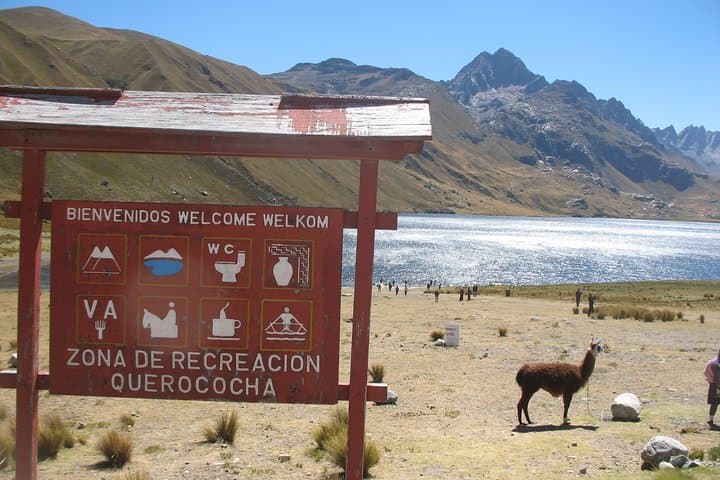
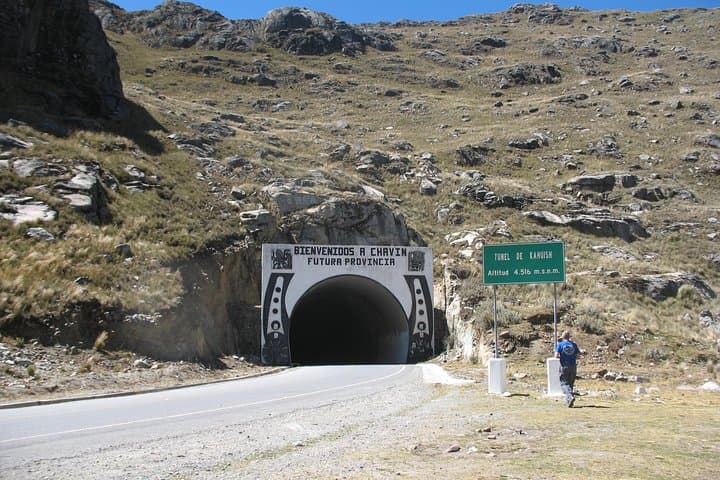
Dawn light slants across the Rio Negro valley as you shoulder a pack and follow a narrow track out of Olleros. The trail rises steadily—past shepherds' pastures and stone corrals—until the high puna opens and the wind begins to push you toward Punta Yanashallash at about 4,800 m. Donkeys and local muleteers accompany the group; the land feels deliberate and old, a route that once connected highland communities to Chavín de Huántar.
Dawn light slants across the Rio Negro valley as you shoulder a pack and follow a narrow track out of Olleros. The trail rises steadily—past shepherds' pastures and stone corrals—until the high puna opens and the wind begins to push you toward Punta Yanashallash at about 4,800 m. Donkeys and local muleteers accompany the group; the land feels deliberate and old, a route that once connected highland communities to Chavín de Huántar.
This three-day route threads history into the landscape. You walk on stretches of pre-Inca stone paving, cross glacial-fed streams, and skirt moraine slopes formed during the last Andean glaciations. Villages along the lower approach retain Quechua traditions—spoken language, terraced fields, and small artisan practices—while Chavín itself offers a compact archaeological complex and a museum that illuminate early Andean ceremonial life.
Practicalities matter here: expect 5–6 hour hiking days with sustained altitude gain (start ~3,350 m, highpoint ~4,800 m, finish at Chavín ~3,090 m). Terrain ranges from river-valley trails and grassy puna to rocky passes; waterproof boots and gaiters are useful. Hydrate and pace conservatively—altitude effects are common above 4,000 m. Camps are two-person tents; basic hot meals are included and donkeys carry gear but carry your day essentials.
Timing trips for the dry season (May–September) reduces mud and stream risk. Respect local protocols: use established campsites, pack out waste, and ask before photographing people in villages. For hikers seeking a short, culturally rich high-altitude trek, this route combines archaeology, alpine ecology, and community-supported guiding into a compact, challenging experience.