THE ADVENTURE COLLECTIVE® · Independent discovery and booking for outdoor travel

Step ashore at Rogač and join a family olive harvest on Šolta: two hours in the groves, a mill visit and a long lunch where you taste and bottle fresh extra virgin oil. This private tour blends hands-on work, local culture and a ferry ride from Split.
Step ashore at Rogač and join a family olive harvest on Šolta: two hours in the groves, a mill visit and a long lunch where you taste and bottle fresh extra virgin oil. This private tour blends hands-on work, local culture and a ferry ride from Split.
The morning ferry slips away from Split and the coastline narrows into a ribbon of limestone and olive green. On arrival at Rogač, the air smells faintly of salt and crushed fruit; local farmers meet you with nets, rakes and a practiced calm. For two hours you move through terraced groves where twisted trees throw cool shade, learning to tease ripe olives from branches and stack them into baskets.
Verified experiences and guided adventures in the surrounding area.
Operated by Discover Šolta · Rogač, Split-Dalmatia County
The morning ferry slips away from Split and the coastline narrows into a ribbon of limestone and olive green. On arrival at Rogač, the air smells faintly of salt and crushed fruit; local farmers meet you with nets, rakes and a practiced calm. For two hours you move through terraced groves where twisted trees throw cool shade, learning to tease ripe olives from branches and stack them into baskets.
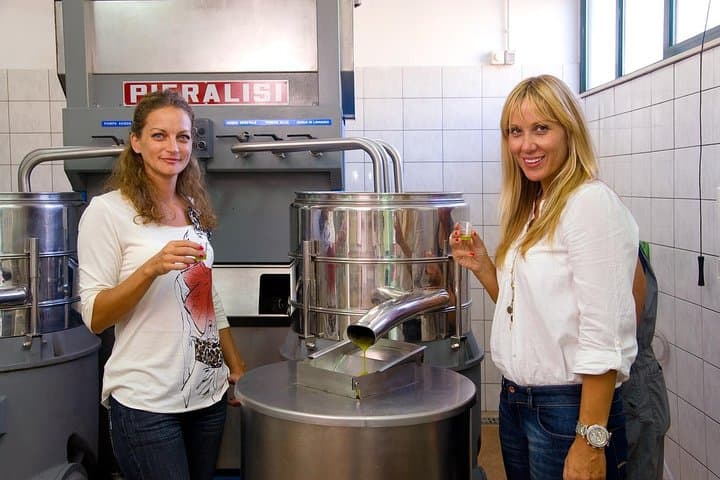
Šolta’s olive culture goes back centuries — Roman amphorae across Dalmatia show this coast’s oil was prized trade goods. Geology here is karst limestone, with shallow, well-drained soils that concentrate flavors in the fruit; that mineral signature is what you’ll taste later at the mill. The family-run operations combine hand labor with modern presses, so you’ll see both nets and stainless-steel centrifuges in action.
The experience blends hands-on work, a short tour of the mill and a long, leisurely lunch featuring fresh oil, local bread and wine. Expect friendly translation, traditional recipes and the chance to bottle a personal portion of cold-pressed extra virgin olive oil.
Practicalities: the whole program runs about five hours, including the 50-minute ferry from Split. Wear closed-toe shoes and sun protection; harvesting involves bending and steady footing on uneven terraces. Bring a refillable water bottle and a small daypack for layers and purchases. If you plan to return to Split the same day, check Jadrolinija schedules in advance and allow time to buy ferry tickets. This private tour is paced for all fitness levels and is ideal for travelers who want a close, tactile connection to Adriatic agriculture and cuisine.
easy.
5 hours.
Suitable for most fitness levels; requires standing, light bending and walking on uneven ground
Take the Jadrolinija ferry to Rogač — the crossing is about 50 minutes; be at the ferry port at least 20 minutes before departure to buy or collect tickets.
Yes — the tour notes a minimum age of 6 and low physical demands, but children should be supervised on terraces and around equipment.
Yes — families often sell additional cold-pressed oil; bring cash or check beforehand whether card payments are accepted.
Vegetarian options are available—advise the operator at booking if you have allergies or specific dietary needs.
Olive cultivation on Šolta dates back to antiquity; the island’s oil was exported in Roman times and has remained a staple of Dalmatian rural life.
Local producers favor traditional low-input farming and mechanical harvesting is limited to preserve tree health; visitors are encouraged to take only photographs and carry out any waste.
Discover Šolta operates guided outdoor trips and adventures with an emphasis on safety, stewardship, and memorable experiences.
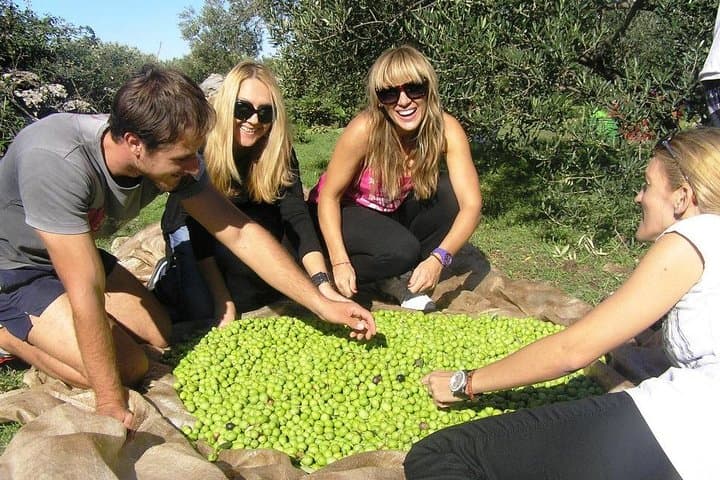
The morning ferry slips away from Split and the coastline narrows into a ribbon of limestone and olive green. On arrival at Rogač, the air smells faintly of salt and crushed fruit; local farmers meet you with nets, rakes and a practiced calm. For two hours you move through terraced groves where twisted trees throw cool shade, learning to tease ripe olives from branches and stack them into baskets.
The morning ferry slips away from Split and the coastline narrows into a ribbon of limestone and olive green. On arrival at Rogač, the air smells faintly of salt and crushed fruit; local farmers meet you with nets, rakes and a practiced calm. For two hours you move through terraced groves where twisted trees throw cool shade, learning to tease ripe olives from branches and stack them into baskets.
Šolta’s olive culture goes back centuries — Roman amphorae across Dalmatia show this coast’s oil was prized trade goods. Geology here is karst limestone, with shallow, well-drained soils that concentrate flavors in the fruit; that mineral signature is what you’ll taste later at the mill. The family-run operations combine hand labor with modern presses, so you’ll see both nets and stainless-steel centrifuges in action.
The experience blends hands-on work, a short tour of the mill and a long, leisurely lunch featuring fresh oil, local bread and wine. Expect friendly translation, traditional recipes and the chance to bottle a personal portion of cold-pressed extra virgin olive oil.
Practicalities: the whole program runs about five hours, including the 50-minute ferry from Split. Wear closed-toe shoes and sun protection; harvesting involves bending and steady footing on uneven terraces. Bring a refillable water bottle and a small daypack for layers and purchases. If you plan to return to Split the same day, check Jadrolinija schedules in advance and allow time to buy ferry tickets. This private tour is paced for all fitness levels and is ideal for travelers who want a close, tactile connection to Adriatic agriculture and cuisine.