THE ADVENTURE COLLECTIVE® · Independent discovery and booking for outdoor travel

Walk through 15 hectares of working olive trees, tour a granite-mill lagar that preserves near-Roman milling methods, and taste Extra Monterosa oils in Moncarapacho. This private three-hour visit mixes hands-on production insight with guided tasting and transport.
Walk through 15 hectares of working olive trees, tour a granite-mill lagar that preserves near-Roman milling methods, and taste Extra Monterosa oils in Moncarapacho. This private three-hour visit mixes hands-on production insight with guided tasting and transport.
A low stone wall marks the way into a 15-hectare olive grove outside Moncarapacho, sunlight cutting through rows of gnarled trees that have been pruned for production rather than prettiness. The air smells of warm earth and green fruit; the leaves whisper and the olives, still attached to branches, seem to dare you to taste the season.
Verified experiences and guided adventures in the surrounding area.
Operated by Maria's Tuk Tuk · Moncarapacho, Faro
A low stone wall marks the way into a 15-hectare olive grove outside Moncarapacho, sunlight cutting through rows of gnarled trees that have been pruned for production rather than prettiness. The air smells of warm earth and green fruit; the leaves whisper and the olives, still attached to branches, seem to dare you to taste the season.
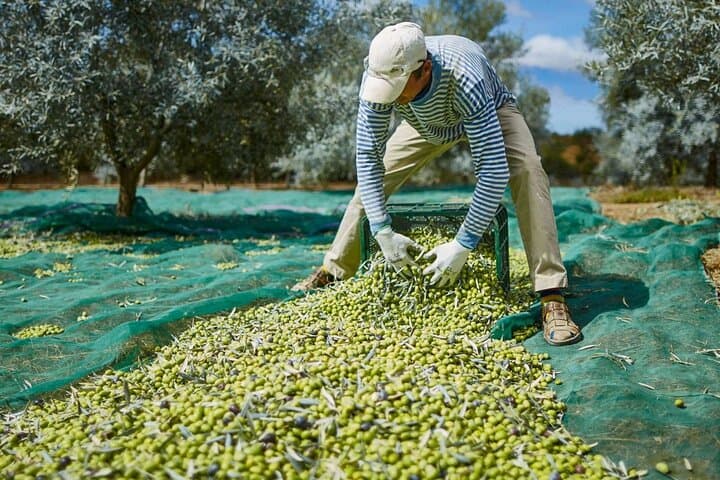
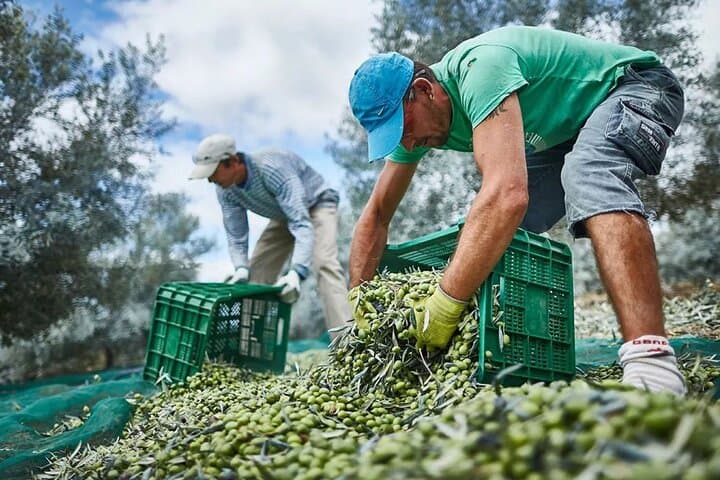
This private, three-hour visit puts you at the heart of Extra Monterosa production in the Sotavento region of the Algarve. The lagar—an old pressing house—uses granite mosses and a mechanical process that echoes techniques traceable to Roman times. Geologically, the surrounding landscape is sedimentary and limestone-dominant, shaping drainage and the terroir that gives the oil its character. Locals value the olive both as a culinary staple and as a modest engine of rural economy; families still harvest by hand in early autumn.
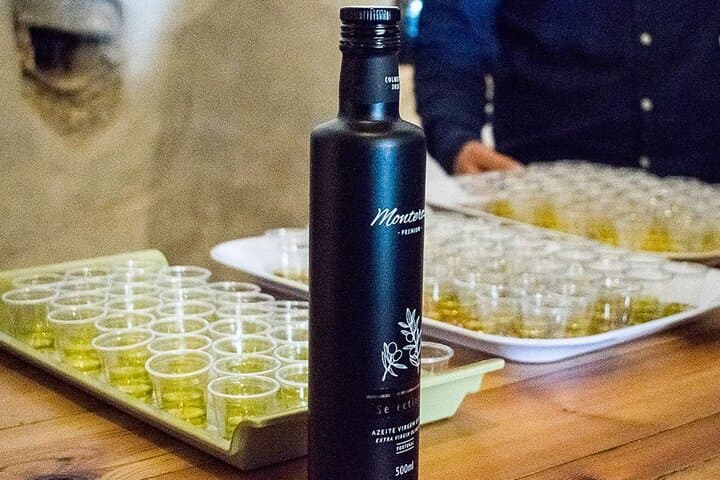
Expect a short walk through planted rows, a guided tour of the lagar with explanations of milling and cold-press timing, then a seated tasting that compares unfiltered and finished oils with simple bread and local herbs. Cultural notes often include folktales about harvest customs and basic olive oil grading terms.
Practical guidance: wear closed-toe shoes for uneven soil, bring sun protection in summer, and alert the host to allergies (nuts and pollen are common concerns). The tour includes private transport and is suitable for most fitness levels; cancellations require 24+ hours for a refund. Arrive ready to take notes and small souvenir bottles home—the tasting is as instructive as it is sensory.
easy.
3 hours.
Suitable for most fitness levels; involves short walks on uneven terrain and standing during the tasting.
The experience lasts about three hours, including grove walk, lagar visit, and guided tasting.
Yes—private transportation is included as part of the tour package.
Yes—physically easy for all ages, though infants must sit on an adult’s lap during transport.
Most lagars sell bottles or small souvenirs; bring a reusable bag for purchases and check customs rules if traveling internationally.
Olive cultivation in the Algarve goes back centuries; local lagars often retain milling techniques influenced by Roman-era presses and later agricultural practice.
Small-scale producers here favor low-intervention farming; visitors should stay on paths, avoid picking fruit, and follow host guidance to protect soil and root systems.
Maria's Tuk Tuk operates guided outdoor trips and adventures with an emphasis on safety, stewardship, and memorable experiences.
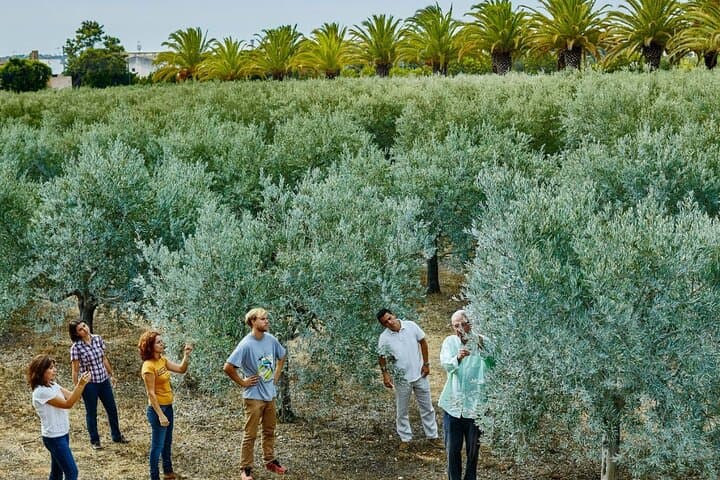
A low stone wall marks the way into a 15-hectare olive grove outside Moncarapacho, sunlight cutting through rows of gnarled trees that have been pruned for production rather than prettiness. The air smells of warm earth and green fruit; the leaves whisper and the olives, still attached to branches, seem to dare you to taste the season.
A low stone wall marks the way into a 15-hectare olive grove outside Moncarapacho, sunlight cutting through rows of gnarled trees that have been pruned for production rather than prettiness. The air smells of warm earth and green fruit; the leaves whisper and the olives, still attached to branches, seem to dare you to taste the season.
This private, three-hour visit puts you at the heart of Extra Monterosa production in the Sotavento region of the Algarve. The lagar—an old pressing house—uses granite mosses and a mechanical process that echoes techniques traceable to Roman times. Geologically, the surrounding landscape is sedimentary and limestone-dominant, shaping drainage and the terroir that gives the oil its character. Locals value the olive both as a culinary staple and as a modest engine of rural economy; families still harvest by hand in early autumn.
Expect a short walk through planted rows, a guided tour of the lagar with explanations of milling and cold-press timing, then a seated tasting that compares unfiltered and finished oils with simple bread and local herbs. Cultural notes often include folktales about harvest customs and basic olive oil grading terms.
Practical guidance: wear closed-toe shoes for uneven soil, bring sun protection in summer, and alert the host to allergies (nuts and pollen are common concerns). The tour includes private transport and is suitable for most fitness levels; cancellations require 24+ hours for a refund. Arrive ready to take notes and small souvenir bottles home—the tasting is as instructive as it is sensory.