THE ADVENTURE COLLECTIVE® · Independent discovery and booking for outdoor travel

Walk a rural lane from the Guadalquivir watchtower into a certified organic olive grove near Baeza. Learn cultivation and production, then taste distinct extra virgin olive oils while a farmer explains what makes each bottle unique.
Walk a rural lane from the Guadalquivir watchtower into a certified organic olive grove near Baeza. Learn cultivation and production, then taste distinct extra virgin olive oils while a farmer explains what makes each bottle unique.
Morning light cuts across low limestone ridges as walkers leave the watchtower above the Guadalquivir and head down a quiet two-kilometre rural road toward an ecological olive grove outside Baeza.
Verified experiences and guided adventures in the surrounding area.
Operated by Tierra de Renacimiento S.L · Baeza, Andalusia
Morning light cuts across low limestone ridges as walkers leave the watchtower above the Guadalquivir and head down a quiet two-kilometre rural road toward an ecological olive grove outside Baeza.
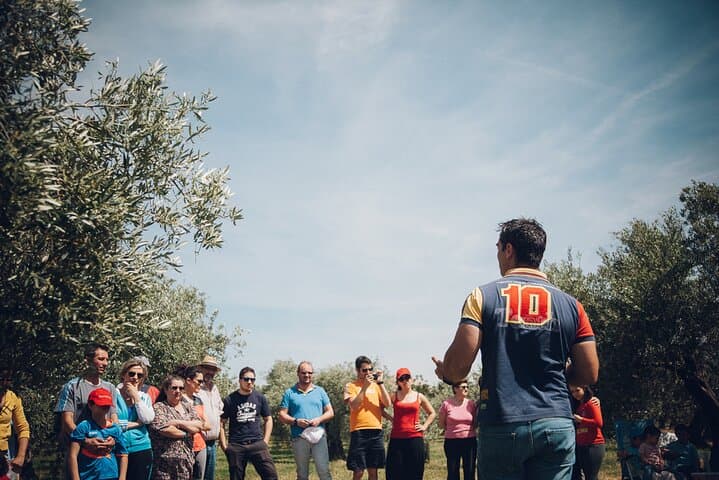
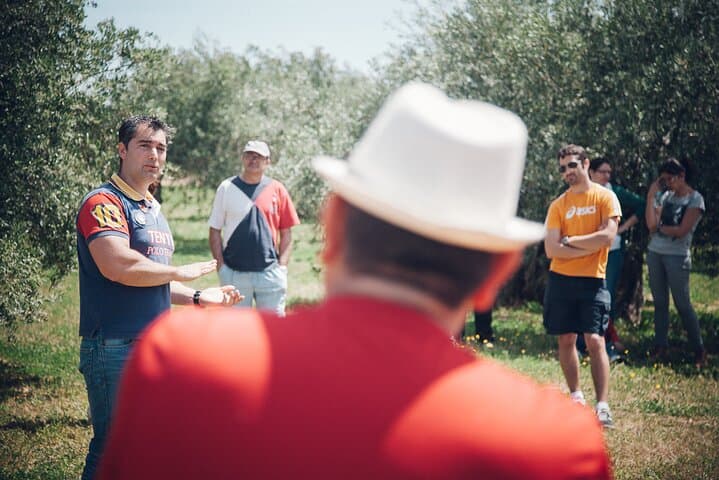
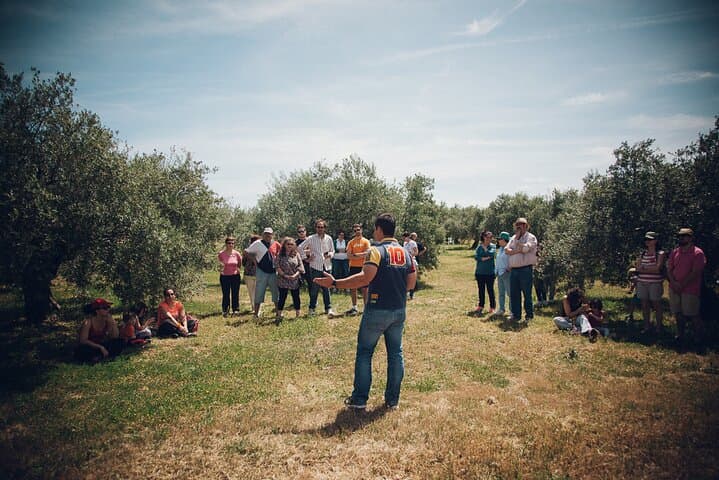
The guide—a local olive farmer—moves with the rhythm of the trees, pointing out pruning scars, soil textures and the small plants that share the rows. This area of Jaén sits on folded limestone and marl; the stony soil and hot, dry summers shape an olive culture that has fed communities here for centuries. Baeza and nearby Úbeda were key towns in medieval Andalusia and their World Heritage architecture frames the local identity you’ll hear about between tastings.
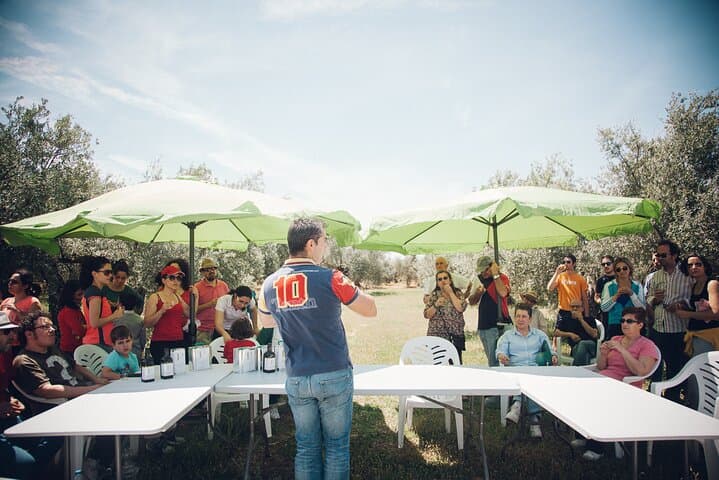
On-site, the tour explains organic cultivation practices, pest management without synthetic chemicals, and the mechanics of turning fruit into extra virgin olive oil. Tasting follows a short walk: you’ll evaluate acidity, fruitiness and peppery finish while comparing oils and learning storage tips.
Expect gentle walking on compact dirt and farm tracks, accessible surfaces, and an interpretive pace suitable for most visitors. The olive trees can be protective in summer sun and exposed in winter winds; plan layers and sun protection accordingly. Bring a refillable bottle, close-toed shoes, and a small notebook if you want harvest or pruning notes. The experience blends agriculture, geology and food culture—ideal for travelers who want a close, sensory look at how a single landscape produces a shelf-staple.
Practical: tour lasts about 90 minutes, wheelchair-accessible routes are noted, and it’s best mid-morning or late afternoon for light and heat management.
easy.
1.5 hours.
Suitable for most fitness levels; short, mostly flat walking on rural roads and compacted dirt.
The guided walk follows a two-kilometre rural road and the full experience lasts about 90 minutes.
Yes—routes are stroller- and wheelchair-accessible and the tour is described as physically easy.
Yes—organic EVOO tasting is included and the guide explains differences in flavor and production.
Language options depend on the operator; check the booking page for available guide languages or request accommodations when booking.
Olive cultivation in the Jaén province dates back millennia; Roman and later Andalusi agricultural practices shaped the grove layouts and irrigation approaches still visible today.
The site emphasizes organic methods and soil health; visitors are asked to avoid littering and to respect habitats to limit erosion and chemical runoff.
Tierra de Renacimiento S.L operates guided outdoor trips and adventures with an emphasis on safety, stewardship, and memorable experiences.
Morning light cuts across low limestone ridges as walkers leave the watchtower above the Guadalquivir and head down a quiet two-kilometre rural road toward an ecological olive grove outside Baeza.
Morning light cuts across low limestone ridges as walkers leave the watchtower above the Guadalquivir and head down a quiet two-kilometre rural road toward an ecological olive grove outside Baeza.
The guide—a local olive farmer—moves with the rhythm of the trees, pointing out pruning scars, soil textures and the small plants that share the rows. This area of Jaén sits on folded limestone and marl; the stony soil and hot, dry summers shape an olive culture that has fed communities here for centuries. Baeza and nearby Úbeda were key towns in medieval Andalusia and their World Heritage architecture frames the local identity you’ll hear about between tastings.
On-site, the tour explains organic cultivation practices, pest management without synthetic chemicals, and the mechanics of turning fruit into extra virgin olive oil. Tasting follows a short walk: you’ll evaluate acidity, fruitiness and peppery finish while comparing oils and learning storage tips.
Expect gentle walking on compact dirt and farm tracks, accessible surfaces, and an interpretive pace suitable for most visitors. The olive trees can be protective in summer sun and exposed in winter winds; plan layers and sun protection accordingly. Bring a refillable bottle, close-toed shoes, and a small notebook if you want harvest or pruning notes. The experience blends agriculture, geology and food culture—ideal for travelers who want a close, sensory look at how a single landscape produces a shelf-staple.
Practical: tour lasts about 90 minutes, wheelchair-accessible routes are noted, and it’s best mid-morning or late afternoon for light and heat management.