THE ADVENTURE COLLECTIVE® · Independent discovery and booking for outdoor travel

Walk Old Tbilisi’s cobbled alleys from sulfur bathhouses to Narikala fortress, then sample traditional qvevri wines while your guide traces the city’s Silk Road and Soviet-era layers. This private 2–2.5 hour tour pairs history with a practical local tasting.
Walk Old Tbilisi’s cobbled alleys from sulfur bathhouses to Narikala fortress, then sample traditional qvevri wines while your guide traces the city’s Silk Road and Soviet-era layers. This private 2–2.5 hour tour pairs history with a practical local tasting.
You step off a narrow lane and the city opens — peeling plaster, carved wooden balconies and the Kura River daring you to cross its low bridges. In Old Tbilisi the air carries smoke from a bakery, church bells, and the faint fruit-sweet tang of qvevri wines ready for tasting.
Verified experiences and guided adventures in the surrounding area.
Operated by sunrise travel · Tbilisi, Tbilisi
You step off a narrow lane and the city opens — peeling plaster, carved wooden balconies and the Kura River daring you to cross its low bridges. In Old Tbilisi the air carries smoke from a bakery, church bells, and the faint fruit-sweet tang of qvevri wines ready for tasting.
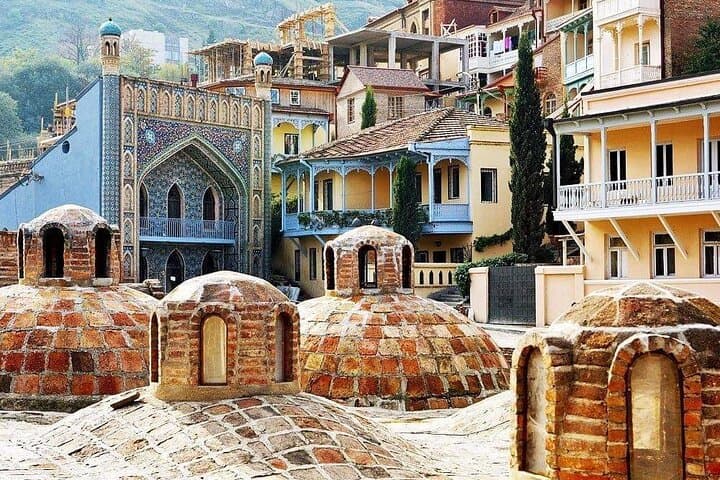
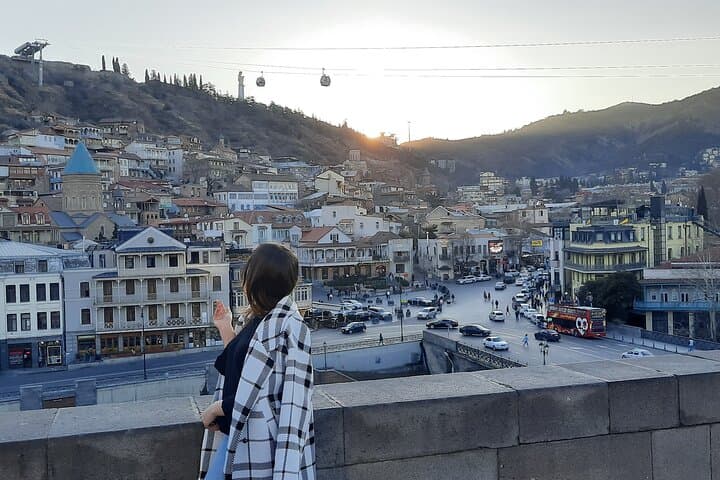
This private walking tour threads through Tbilisi’s layered history: medieval fortresses built on volcanic ridges, 17th–19th century merchant houses shaped by Silk Road trade, and baths that mark the city’s sulfurous geothermal legacy. Narikala fortress, reachable by a short cable car ride, overlooks the city and the statue Mother of Georgia, a reminder of the city’s survival through empires and earthquakes. Along Sharden and Meidan streets you’ll encounter bakeries, Soviet-era sculpture, and the Peace Bridge’s modern steel curve signaling contemporary Tbilisi.
Culturally, the tour introduces Georgian dining rituals and the ancient qvevri winemaking method — clay vessels buried in the earth that give wines distinct texture and tannin. Expect lively storytelling from local guides who connect architecture to the lives that shaped it.
Practical guidance: wear sturdy shoes for cobblestones, bring a small amount of local currency for the cable car and small shops, and plan the walk in the cooler morning or late afternoon in summer. The tasting is moderate; if you avoid alcohol or have dietary needs, notify the guide when booking. With roughly 2–2.5 hours on foot, this tour balances viewpoint climbs with relaxed cultural stops — a compact way to read the city’s past and taste its present.
easy.
2–2.5 hours.
Suitable for most fitness levels; expect short climbs and 1–2 miles of walking on mixed cobble and pavement.
The tour is approximately 2–2.5 hours with about 1–2 miles of walking on cobbled streets and a short cable car ride to Narikala.
Wine tasting is included; non-drinkers can opt for grape juice or skip the tasting if arranged in advance with the guide.
The tour passes the sulfur bath quarter and explains its history; entry to baths is not included but can be added independently after the tour.
The route includes uneven cobbles and uphill sections; travelers with limited mobility should contact the operator beforehand to discuss alternatives.
Tbilisi’s Old Town grew where trade routes met geothermal springs; its strategic location made it a contested hub between empires from the Persians to the Russians.
Visitors are asked to respect historic facades and avoid littering; support local conservation by choosing guided tours that work with community businesses.
sunrise travel operates guided outdoor trips and adventures with an emphasis on safety, stewardship, and memorable experiences.
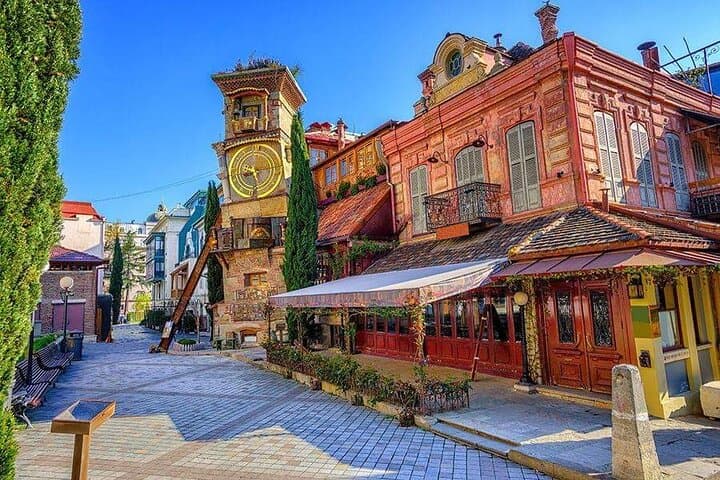
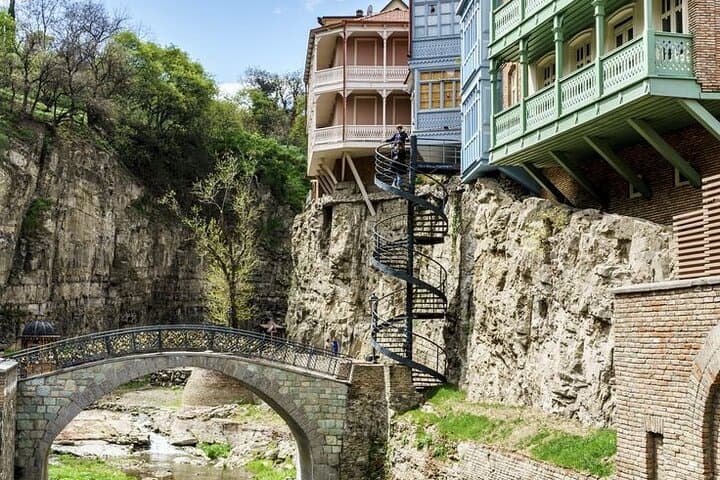
You step off a narrow lane and the city opens — peeling plaster, carved wooden balconies and the Kura River daring you to cross its low bridges. In Old Tbilisi the air carries smoke from a bakery, church bells, and the faint fruit-sweet tang of qvevri wines ready for tasting.
You step off a narrow lane and the city opens — peeling plaster, carved wooden balconies and the Kura River daring you to cross its low bridges. In Old Tbilisi the air carries smoke from a bakery, church bells, and the faint fruit-sweet tang of qvevri wines ready for tasting.
This private walking tour threads through Tbilisi’s layered history: medieval fortresses built on volcanic ridges, 17th–19th century merchant houses shaped by Silk Road trade, and baths that mark the city’s sulfurous geothermal legacy. Narikala fortress, reachable by a short cable car ride, overlooks the city and the statue Mother of Georgia, a reminder of the city’s survival through empires and earthquakes. Along Sharden and Meidan streets you’ll encounter bakeries, Soviet-era sculpture, and the Peace Bridge’s modern steel curve signaling contemporary Tbilisi.
Culturally, the tour introduces Georgian dining rituals and the ancient qvevri winemaking method — clay vessels buried in the earth that give wines distinct texture and tannin. Expect lively storytelling from local guides who connect architecture to the lives that shaped it.
Practical guidance: wear sturdy shoes for cobblestones, bring a small amount of local currency for the cable car and small shops, and plan the walk in the cooler morning or late afternoon in summer. The tasting is moderate; if you avoid alcohol or have dietary needs, notify the guide when booking. With roughly 2–2.5 hours on foot, this tour balances viewpoint climbs with relaxed cultural stops — a compact way to read the city’s past and taste its present.