THE ADVENTURE COLLECTIVE® · Independent discovery and booking for outdoor travel

Walk Old Tbilisi from the Mtkvari river to Narikala Fortress: a 2–3 hour private tour that combines cable‑car views, sulfur baths, and a tasting of Georgia’s ancient wines. Expect steep streets, layered history, and easy urban adventure.
Walk Old Tbilisi from the Mtkvari river to Narikala Fortress: a 2–3 hour private tour that combines cable‑car views, sulfur baths, and a tasting of Georgia’s ancient wines. Expect steep streets, layered history, and easy urban adventure.
You step out of Rike Park into a chorus of cobblestones and the river Mtkvari daring you to follow its curve. The city leans into its hills: the cable car hums above, the Peace Bridge glints, and a bowl of steam rises from the sulfur baths below, promising a different kind of warmth.
Verified experiences and guided adventures in the surrounding area.
Operated by We Are Georgia Tours · Tbilisi, Tbilisi
You step out of Rike Park into a chorus of cobblestones and the river Mtkvari daring you to follow its curve. The city leans into its hills: the cable car hums above, the Peace Bridge glints, and a bowl of steam rises from the sulfur baths below, promising a different kind of warmth.
This private walking tour threads through Tbilisi’s layered history—from the 4th‑century core of Narikala Fortress, reshaped by medieval kings and later earthquakes, to Metekhi’s hilltop church and the 17th‑century Sioni Cathedral that guards St. Nino’s cross. Geology shows here too: thermal springs surface in Abanotubani because of deep faulting and groundwater heated by the crust, while the Mtkvari valley carves the city’s urban terraces.
Culture is immediate: puppet theaters, Chardin Street’s bright facades, and the ritual of wine—Georgia’s millennia‑old winemaking tradition—offered as a tasting to close the loop between land and table. Nature has a role: the botanical garden’s green hush contrasts with the busy lower town; gulls and hooded crows wheel above the river.
Practical guidance: plan for 2–3 hours, bring flat, grippy shoes for uneven steps, and a light layer for breezy ridge views. The cable car ticket is included, but wear sun protection and a refillable bottle—water fountains are intermittent. Finish your walk in the sulfur bath quarter or sample a qvevri wine; both give a tactile sense of why locals keep returning. Pace yourself—Tbilisi rewards slow exploration.
moderate.
2–3 hours.
Participants should be comfortable on uneven ground and able to manage repeated short stair climbs; basic urban fitness required.
Yes — this tour includes the cable car ride up to Narikala Fortress as part of the itinerary.
Moderate: expect uneven cobbles and short flights of stairs; a reasonable level of mobility is required.
The tour visits the Abanotubani district to view the baths; individual bath entry is not included but can be arranged locally.
Yes — it’s listed as a private tour and can be paced to your group, though specific POIs follow the standard route.
Narikala dates to at least the 4th century and has been rebuilt many times; the sulfur baths area is tied to a 5th‑century founding legend for Tbilisi.
Tbilisi’s historic center faces pressure from tourism and development; support local guides and small businesses to keep heritage buildings maintained and cobbled streets preserved.
We Are Georgia Tours operates guided outdoor trips and adventures with an emphasis on safety, stewardship, and memorable experiences.
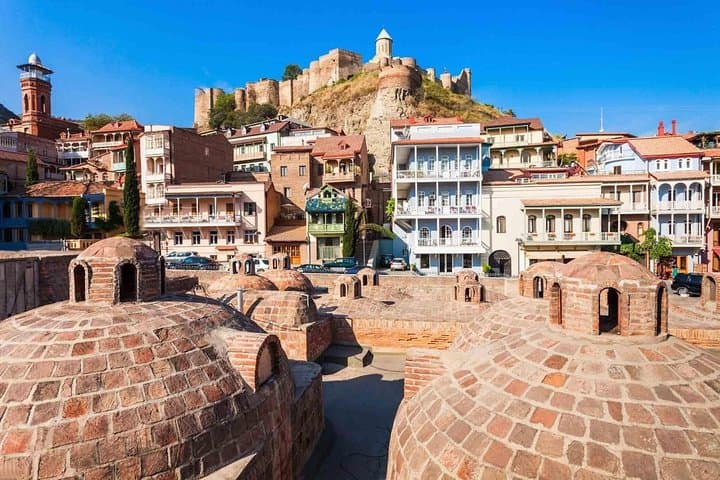
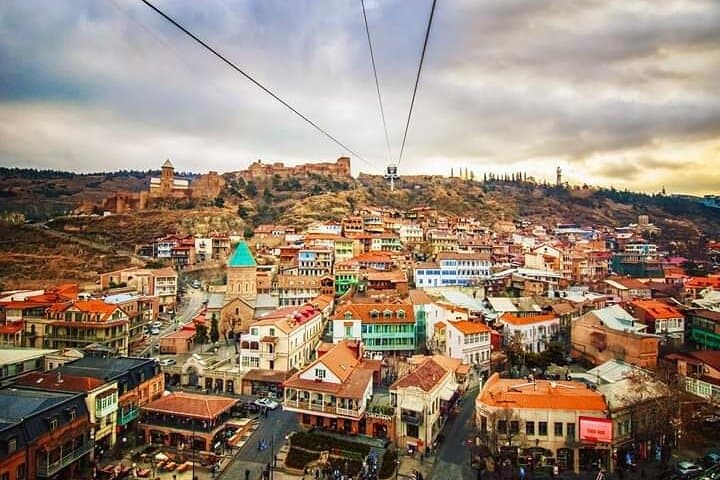
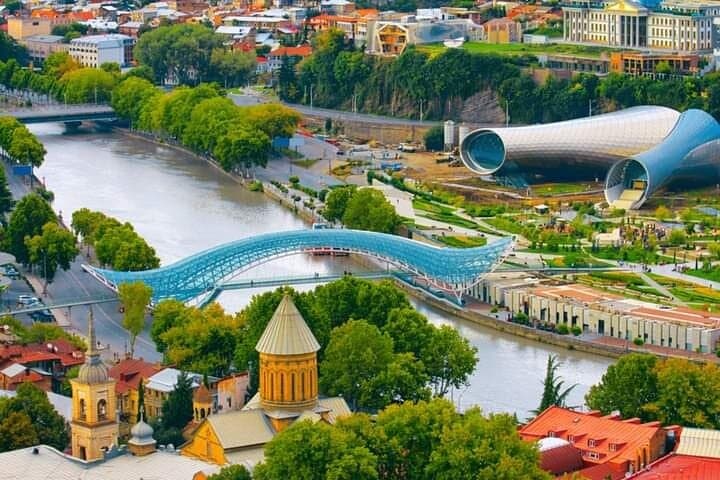
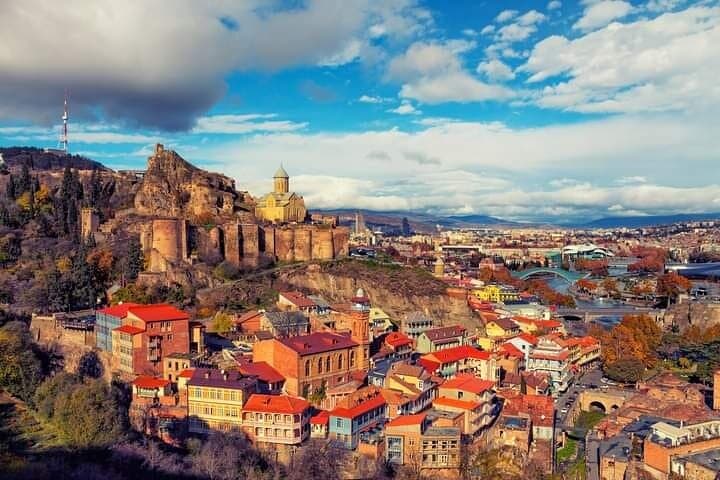
You step out of Rike Park into a chorus of cobblestones and the river Mtkvari daring you to follow its curve. The city leans into its hills: the cable car hums above, the Peace Bridge glints, and a bowl of steam rises from the sulfur baths below, promising a different kind of warmth.
You step out of Rike Park into a chorus of cobblestones and the river Mtkvari daring you to follow its curve. The city leans into its hills: the cable car hums above, the Peace Bridge glints, and a bowl of steam rises from the sulfur baths below, promising a different kind of warmth.
This private walking tour threads through Tbilisi’s layered history—from the 4th‑century core of Narikala Fortress, reshaped by medieval kings and later earthquakes, to Metekhi’s hilltop church and the 17th‑century Sioni Cathedral that guards St. Nino’s cross. Geology shows here too: thermal springs surface in Abanotubani because of deep faulting and groundwater heated by the crust, while the Mtkvari valley carves the city’s urban terraces.
Culture is immediate: puppet theaters, Chardin Street’s bright facades, and the ritual of wine—Georgia’s millennia‑old winemaking tradition—offered as a tasting to close the loop between land and table. Nature has a role: the botanical garden’s green hush contrasts with the busy lower town; gulls and hooded crows wheel above the river.
Practical guidance: plan for 2–3 hours, bring flat, grippy shoes for uneven steps, and a light layer for breezy ridge views. The cable car ticket is included, but wear sun protection and a refillable bottle—water fountains are intermittent. Finish your walk in the sulfur bath quarter or sample a qvevri wine; both give a tactile sense of why locals keep returning. Pace yourself—Tbilisi rewards slow exploration.