THE ADVENTURE COLLECTIVE® · Independent discovery and booking for outdoor travel

Walk Old San Juan’s cobbled streets with a historian and move from plazas to forts while learning the island’s colonial, indigenous, and African-influenced past. This two-hour guided stroll blends military architecture, church interiors, and local culture with practical tips for comfort and timing.
Walk Old San Juan’s cobbled streets with a historian and move from plazas to forts while learning the island’s colonial, indigenous, and African-influenced past. This two-hour guided stroll blends military architecture, church interiors, and local culture with practical tips for comfort and timing.
The clack of shoes on blue-gray cobbles, a salt-bright breeze pushing through a narrow calle—this is Old San Juan at walking pace. The tour moves from plaza to bastion, past carved wooden balconies and churches whose bells still mark the day. Sea air threads between the stonework and the city’s stories.
Verified experiences and guided adventures in the surrounding area.
Operated by exPeRience Puerto Rico · San Juan, Puerto Rico
The clack of shoes on blue-gray cobbles, a salt-bright breeze pushing through a narrow calle—this is Old San Juan at walking pace. The tour moves from plaza to bastion, past carved wooden balconies and churches whose bells still mark the day. Sea air threads between the stonework and the city’s stories.
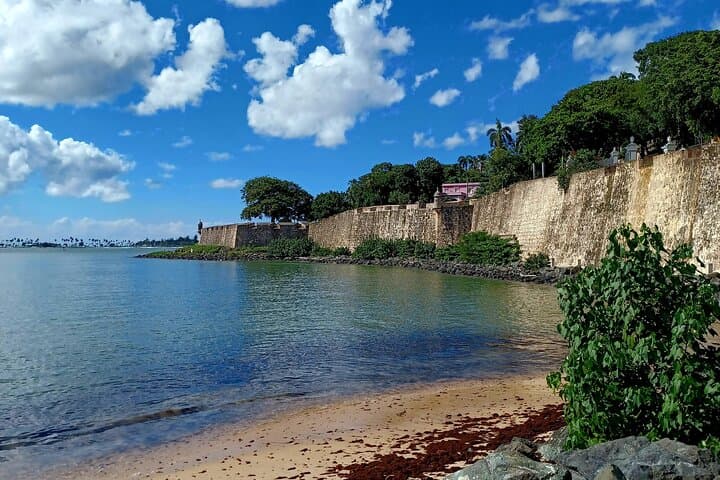
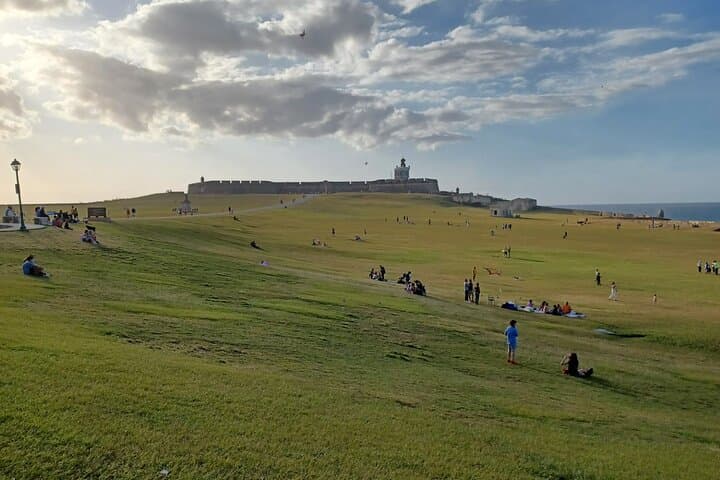
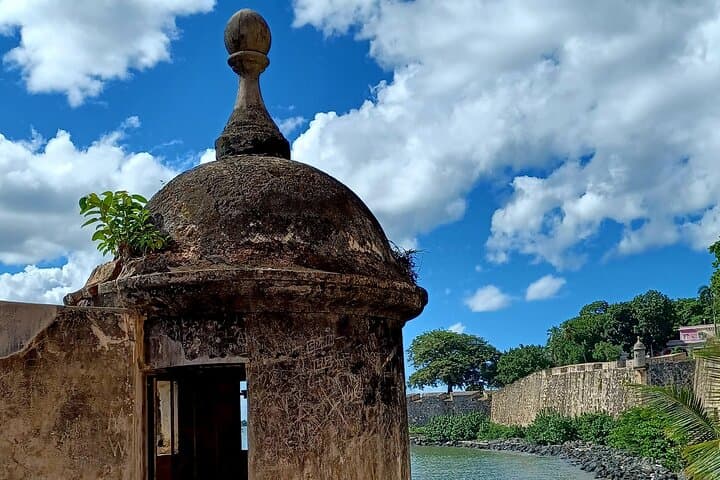
Old San Juan occupies a small islet at the entrance to San Juan Bay. Spanish engineers began fortifying it in the 16th century; forts like El Morro and San Cristóbal were built to guard trade routes and the
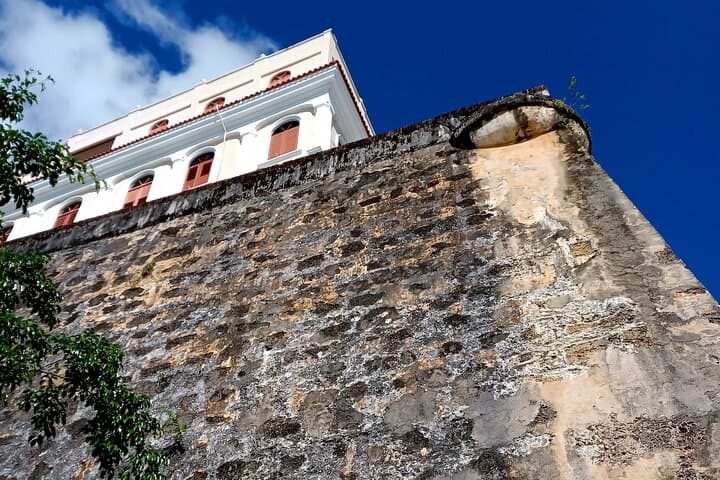
Caribbean approaches. The island’s geology—coastal limestone with pockets of volcanic bedrock nearby—gave builders the durable stone that still holds the ramparts. Indigenous Taíno roots and African cultural influences surface in place names, cuisine, and musical rhythms heard in plazas today.
A guided walk with a historian highlights military architecture, colonial-era churches, and the living city: street vendors serving alcapurrias, a neighborhood chapel with centuries of baptismal records, and artisan shops in quieter alleys. Travelers learn why the city mattered to empires and how it shaped Puerto Rican identity.
Practical guidance: expect two hours on mostly flat, uneven paving; wear sturdy walking shoes and sun protection. Start early to avoid midday heat and cruise-ship crowds, and bring water—some plazas have shaded benches but limited public fountains. The route is compact and stroller-friendly in parts, but watch for steps at fort entrances. This walk balances history and place, giving context to the stones and the people who made them.
easy.
2 hours.
Suitable for most fitness levels; requires steady walking on uneven pavement for up to two hours.
The guided walk lasts about two hours and covers a compact route through Old San Juan’s main plazas, churches, and street sections.
Much of the route is flat and stroller-accessible, but some fort entrances and side streets have steps—check with the guide for specific accessibility needs.
This tour highlights exterior architecture and plazas; admission to El Morro or San Cristóbal is typically not included but can be arranged separately.
Guides generally conduct tours in English and Spanish; confirm language availability when booking.
Old San Juan formed around a 16th-century fortification program; its forts protected Spanish shipping lanes and played central roles in colonial Caribbean conflicts.
The historic district is protected by preservation rules; visitors are asked to avoid climbing on fragile masonry, dispose of trash properly, and support local businesses to help maintain the area.
exPeRience Puerto Rico operates guided outdoor trips and adventures with an emphasis on safety, stewardship, and memorable experiences.
The clack of shoes on blue-gray cobbles, a salt-bright breeze pushing through a narrow calle—this is Old San Juan at walking pace. The tour moves from plaza to bastion, past carved wooden balconies and churches whose bells still mark the day. Sea air threads between the stonework and the city’s stories.
The clack of shoes on blue-gray cobbles, a salt-bright breeze pushing through a narrow calle—this is Old San Juan at walking pace. The tour moves from plaza to bastion, past carved wooden balconies and churches whose bells still mark the day. Sea air threads between the stonework and the city’s stories.
Old San Juan occupies a small islet at the entrance to San Juan Bay. Spanish engineers began fortifying it in the 16th century; forts like El Morro and San Cristóbal were built to guard trade routes and the
Caribbean approaches. The island’s geology—coastal limestone with pockets of volcanic bedrock nearby—gave builders the durable stone that still holds the ramparts. Indigenous Taíno roots and African cultural influences surface in place names, cuisine, and musical rhythms heard in plazas today.
A guided walk with a historian highlights military architecture, colonial-era churches, and the living city: street vendors serving alcapurrias, a neighborhood chapel with centuries of baptismal records, and artisan shops in quieter alleys. Travelers learn why the city mattered to empires and how it shaped Puerto Rican identity.
Practical guidance: expect two hours on mostly flat, uneven paving; wear sturdy walking shoes and sun protection. Start early to avoid midday heat and cruise-ship crowds, and bring water—some plazas have shaded benches but limited public fountains. The route is compact and stroller-friendly in parts, but watch for steps at fort entrances. This walk balances history and place, giving context to the stones and the people who made them.