THE ADVENTURE COLLECTIVE® · Independent discovery and booking for outdoor travel

Trace 500 years of history on a two-hour guided walk through Old San Juan’s cobblestone streets, coastal fortresses and cathedral-lined plazas. Learn local stories, see El Morro from the ramparts and get practical tips for timing, footwear and entry fees.
Trace 500 years of history on a two-hour guided walk through Old San Juan’s cobblestone streets, coastal fortresses and cathedral-lined plazas. Learn local stories, see El Morro from the ramparts and get practical tips for timing, footwear and entry fees.
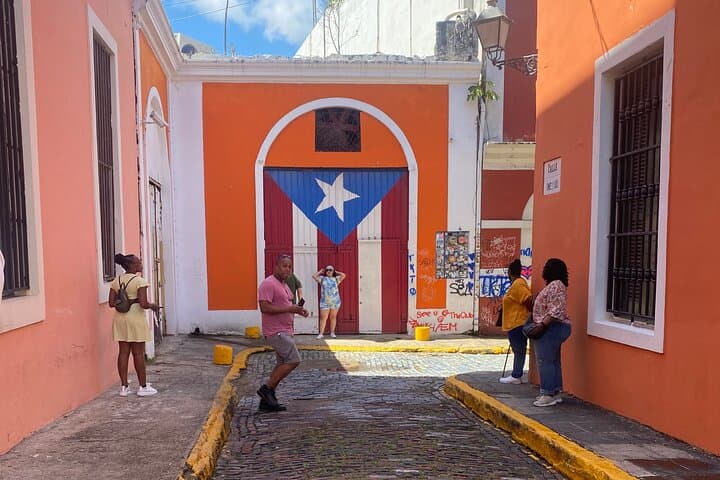
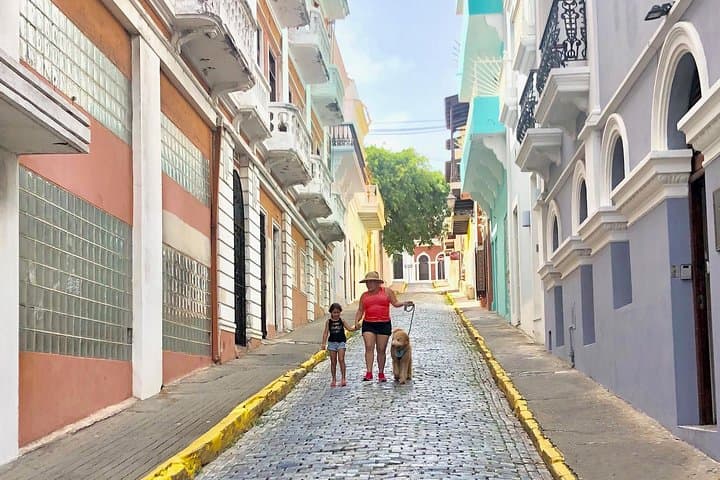
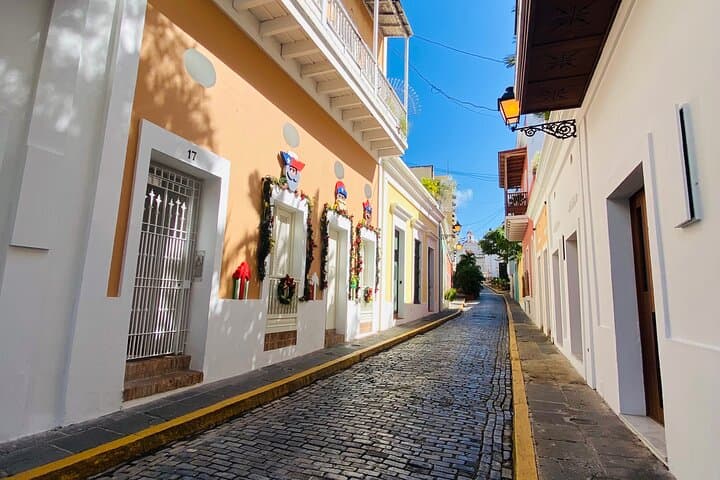
You step off the shuttle into Plaza Colón and the city immediately talks back: cobblestones underfoot click like a metronome, a salty Atlantic breeze pushes through the alleys, and painted façades lean in as if to share a secret.
Verified experiences and guided adventures in the surrounding area.
Operated by Tours2 Puerto Rico · San Juan, Puerto Rico
You step off the shuttle into Plaza Colón and the city immediately talks back: cobblestones underfoot click like a metronome, a salty Atlantic breeze pushes through the alleys, and painted façades lean in as if to share a secret.
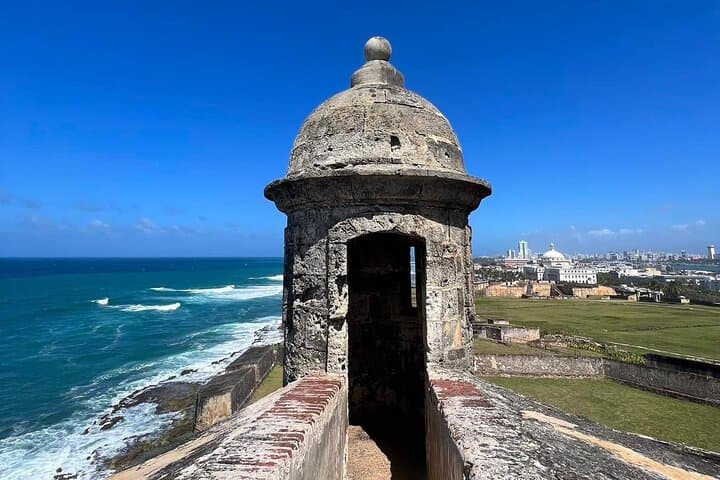
This two-hour guided walk threads through more than five centuries of history — from the indigenous Taíno presence predating European contact to the Spanish colonial grid that produced San Felipe del Morro (1539) and the Ballajá Barracks. The old islet sits at the confluence of bay and sea; its ramparts were carved to meet waves and gunpowder alike, giving visitors tangible geology where bedrock, reclaimed land and harbor silt meet.
Culturally the quarter still moves at street-level: vendors selling empanadas, cathedral bells marking the hour, and artisans on Calle del Cristo. Local guides highlight lesser-known details — carved lintels, worn steps where soldiers once stood, and the stories behind the colorful house fronts.
Practical guidance: wear sturdy shoes for uneven, sometimes slippery cobbles and plan for sun and sudden tropical showers. El Morro is visible from the route and optional entry involves a separate fee; the tour covers San Juan Gate, the Cathedral and the Capitol with time for photos and questions.
Timing matters — mornings are cooler and less crowded; late afternoons catch golden light against the fort walls. Hydrate, bring cash for small purchases and tipping, and expect a balanced pace suitable for most fitness levels. The walk is both a primer on Puerto Rico’s colonial past and a practical way to orient yourself in Old San Juan’s compact, walkable center.
easy.
2 hours.
Suitable for most fitness levels; requires steady walking on uneven surfaces for about two hours.
No—your guide will stop outside Castillo San Felipe del Morro and explain its history; entry to the fort requires a separate ticket and fee.
Yes—this tour is stroller accessible and suitable for infants and small children, though cobbles can be bumpy.
There are public and paid restrooms near major attractions like El Morro and Plaza Colón; ask your guide for the nearest facility during the tour.
Guides usually conduct tours in English and Spanish—confirm language availability when booking if you require a specific language.
Old San Juan developed as Spain’s strategic Caribbean outpost from the 16th century; many structures date to colonial defensive needs and civic life under Spanish rule.
High foot traffic impacts historic masonry and paint—stick to paths, avoid touching fragile stonework, and support local guides who promote preservation.
Tours2 Puerto Rico operates guided outdoor trips and adventures with an emphasis on safety, stewardship, and memorable experiences.
You step off the shuttle into Plaza Colón and the city immediately talks back: cobblestones underfoot click like a metronome, a salty Atlantic breeze pushes through the alleys, and painted façades lean in as if to share a secret.
You step off the shuttle into Plaza Colón and the city immediately talks back: cobblestones underfoot click like a metronome, a salty Atlantic breeze pushes through the alleys, and painted façades lean in as if to share a secret.
This two-hour guided walk threads through more than five centuries of history — from the indigenous Taíno presence predating European contact to the Spanish colonial grid that produced San Felipe del Morro (1539) and the Ballajá Barracks. The old islet sits at the confluence of bay and sea; its ramparts were carved to meet waves and gunpowder alike, giving visitors tangible geology where bedrock, reclaimed land and harbor silt meet.
Culturally the quarter still moves at street-level: vendors selling empanadas, cathedral bells marking the hour, and artisans on Calle del Cristo. Local guides highlight lesser-known details — carved lintels, worn steps where soldiers once stood, and the stories behind the colorful house fronts.
Practical guidance: wear sturdy shoes for uneven, sometimes slippery cobbles and plan for sun and sudden tropical showers. El Morro is visible from the route and optional entry involves a separate fee; the tour covers San Juan Gate, the Cathedral and the Capitol with time for photos and questions.
Timing matters — mornings are cooler and less crowded; late afternoons catch golden light against the fort walls. Hydrate, bring cash for small purchases and tipping, and expect a balanced pace suitable for most fitness levels. The walk is both a primer on Puerto Rico’s colonial past and a practical way to orient yourself in Old San Juan’s compact, walkable center.