THE ADVENTURE COLLECTIVE® · Independent discovery and booking for outdoor travel

Walk the battered walls and colorful streets of Old San Juan on a 2.5‑hour guided tour that includes entrance to Castillo San Felipe del Morro. Learn military history, colonial architecture, and local stories from certified bilingual guides.
Walk the battered walls and colorful streets of Old San Juan on a 2.5‑hour guided tour that includes entrance to Castillo San Felipe del Morro. Learn military history, colonial architecture, and local stories from certified bilingual guides.
You step off the modern sidewalk and into a street that still answers to the Atlantic—salt on the air, pigeons circling the garitas, and cobblestones that tap out the pace of the city. The guide leads the group through a ribbon of color: shuttered balconies, ironwork, and tile stepping stones that point toward the shore and El Morro’s battered stone face.
Verified experiences and guided adventures in the surrounding area.
Operated by Patria Tours Puerto Rico · San Juan, Puerto Rico
You step off the modern sidewalk and into a street that still answers to the Atlantic—salt on the air, pigeons circling the garitas, and cobblestones that tap out the pace of the city. The guide leads the group through a ribbon of color: shuttered balconies, ironwork, and tile stepping stones that point toward the shore and El Morro’s battered stone face.
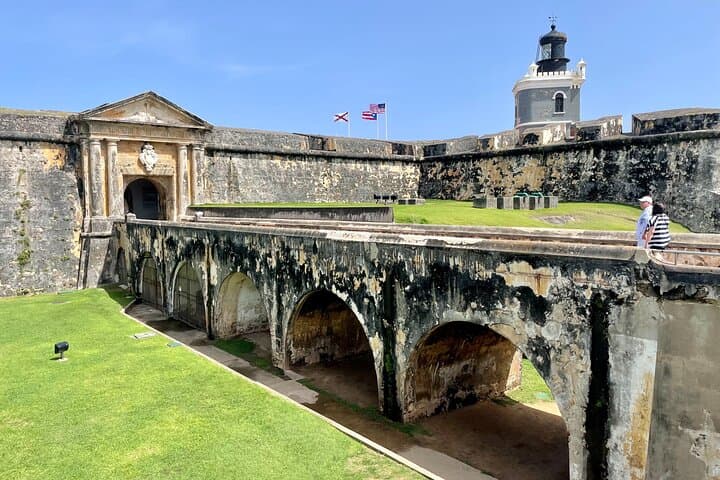
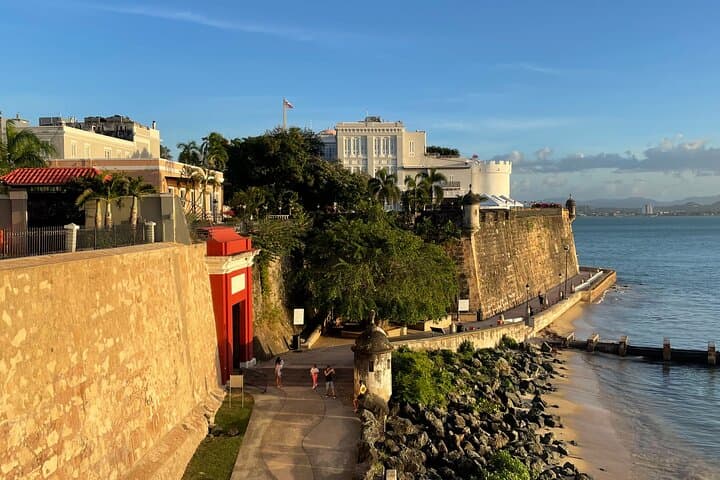
The walk follows lines drawn by 16th– to 18th‑century Spanish engineers. San Juan’s fortifications developed as colonial geopolitics hardened; the citadel and city walls were designed to repel naval raids and safeguard trade routes. Geologically the promontory is limestone bedrock scoured by sea and salt—notice how the walls take on a patina of age where wind and water get to work. Culturally, Old San Juan is a layered city: Taíno roots, Spanish colonial administration, and modern Puerto Rican life coexist in plazas, chapels, and the Cathedral where Juan Ponce de León’s tomb anchors a complicated past.
Practical edge: the tour is about 2.5 hours, mostly on cobbles and stairs with an included entrance to Castillo San Felipe del Morro. Wear sturdy shoes and bring sun protection; there’s a restroom and water break inside El Morro. Guides are bilingual and certified, so ask about the La Rogativa story, the narrowest house, and where to catch sunset light over the bay.
Timing matters—mornings are cooler and less crowded. Move carefully on the uneven stones, and leave time afterward to wander Paseo de la Princesa or sample frituras nearby.
moderate.
2–3 hours.
Moderate fitness: comfortable walking for 2–3 hours, ability to climb stairs and navigate uneven surfaces.
Yes—the tour includes the entrance fee to Castillo San Felipe del Morro and a guided visit inside the fort.
The meeting points and parts of Old San Juan are accessible, but cobbles and some fort areas have stairs; notify the operator in advance for accommodations.
Guides are certified by the Puerto Rico Tourism Company and fluent in English and Spanish.
Comfortable shoes, sun protection, light rain layer during wet months, and any necessary medications—bottled water is provided.
Old San Juan’s fortifications, including El Morro and San Cristóbal, were central to Spain’s Caribbean defenses and are part of the Fortifications of San Juan UNESCO designation.
High foot traffic stresses historic masonry and coastal ecosystems; follow marked paths, avoid climbing on fragile walls, and support local preservation fees.
Patria Tours Puerto Rico operates guided outdoor trips and adventures with an emphasis on safety, stewardship, and memorable experiences.
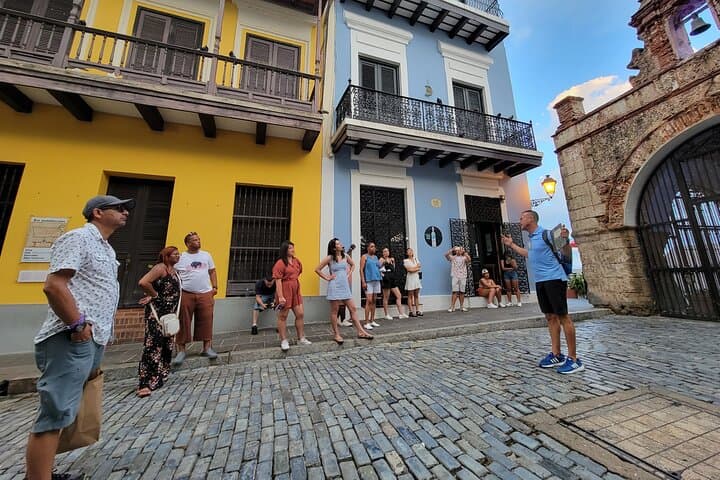
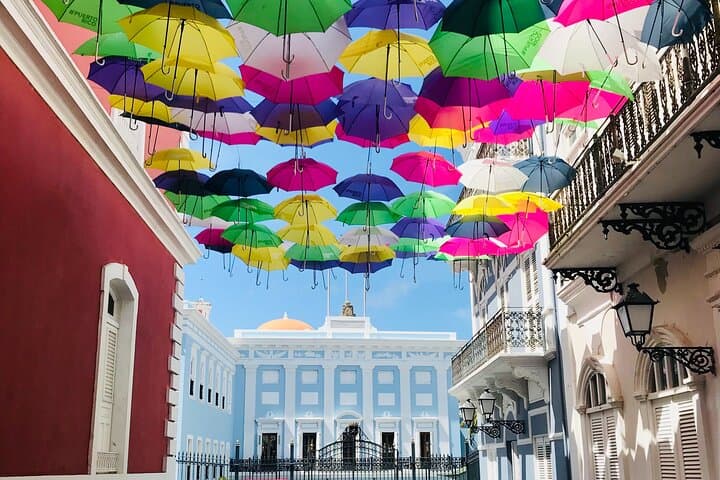
You step off the modern sidewalk and into a street that still answers to the Atlantic—salt on the air, pigeons circling the garitas, and cobblestones that tap out the pace of the city. The guide leads the group through a ribbon of color: shuttered balconies, ironwork, and tile stepping stones that point toward the shore and El Morro’s battered stone face.
You step off the modern sidewalk and into a street that still answers to the Atlantic—salt on the air, pigeons circling the garitas, and cobblestones that tap out the pace of the city. The guide leads the group through a ribbon of color: shuttered balconies, ironwork, and tile stepping stones that point toward the shore and El Morro’s battered stone face.
The walk follows lines drawn by 16th– to 18th‑century Spanish engineers. San Juan’s fortifications developed as colonial geopolitics hardened; the citadel and city walls were designed to repel naval raids and safeguard trade routes. Geologically the promontory is limestone bedrock scoured by sea and salt—notice how the walls take on a patina of age where wind and water get to work. Culturally, Old San Juan is a layered city: Taíno roots, Spanish colonial administration, and modern Puerto Rican life coexist in plazas, chapels, and the Cathedral where Juan Ponce de León’s tomb anchors a complicated past.
Practical edge: the tour is about 2.5 hours, mostly on cobbles and stairs with an included entrance to Castillo San Felipe del Morro. Wear sturdy shoes and bring sun protection; there’s a restroom and water break inside El Morro. Guides are bilingual and certified, so ask about the La Rogativa story, the narrowest house, and where to catch sunset light over the bay.
Timing matters—mornings are cooler and less crowded. Move carefully on the uneven stones, and leave time afterward to wander Paseo de la Princesa or sample frituras nearby.