THE ADVENTURE COLLECTIVE® · Independent discovery and booking for outdoor travel

Walk the wooden boardwalks of Old Sacramento at your own pace with a GPS-triggered audio guide that brings Gold Rush history to life. Learn where the Pony Express met the railroad while enjoying riverfront views and museum stops.
Walk the wooden boardwalks of Old Sacramento at your own pace with a GPS-triggered audio guide that brings Gold Rush history to life. Learn where the Pony Express met the railroad while enjoying riverfront views and museum stops.
You step onto the raised wooden boardwalk and the city shifts around you: the Sacramento River hurries past like a story with a current, the Tower Bridge glints in gold, and façades from the 1850s line I Street as if waiting to be read.
Verified experiences and guided adventures in the surrounding area.
Operated by Drives & Detours · Sacramento, California
You step onto the raised wooden boardwalk and the city shifts around you: the Sacramento River hurries past like a story with a current, the Tower Bridge glints in gold, and façades from the 1850s line I Street as if waiting to be read.
Old Sacramento was hewn out of the Gold Rush’s chaos — a gritty riverfront port that became the western terminus of the Pony Express and the launching point for the Transcontinental Railroad. That history is visible in architecture salvaged from shiploads around Cape Horn, in the heavy timber of early warehouses, and in plaques that mark where telegraph offices once whispered instant news across a young nation.
Geology here is quiet but present: the broad Sacramento Valley shaped commerce, and seasonal floods prompted engineers to raise streets and rebuild — an early lesson in working with the river rather than against it. Culture in Old Sac is civic and commercial; museums preserve the machinery of travel and migration while restaurants and repurposed steamboats keep the waterfront active.
Practical guidance: download the Drives & Detours app and unlock your access code before you arrive to ensure offline playback. Expect 2–2.5 hours of mostly flat walking on wood, brick, and pavement with frequent stops for audio narration. Wear cushioned shoes, a light sunlayer, and carry water; summer days are hot and reflective off the river.
Take your time at the Railroad Museum and pause at the Pony Express marker. Move respectfully through restored interiors and public exhibits — these places survived flood, fire, and economic boom, and they tell the story of how Sacramento moved the American West.
easy.
2–2.5 hours.
Light physical condition required — able to stand and walk for a few hours with short pauses.
Download the Drives & Detours app, select Walking Tours, enter your access code under the tour listing, and download the tour for offline use.
Yes — the route is flat and stroller-friendly, though some boardwalk sections can be narrow during busy times.
The tour begins near the Tower Bridge area where Capitol Mall meets the river and finishes near the Sacramento History Museum on I Street by the Central Pacific Passenger Station.
Yes — Sacramento Regional Transit light rail and bus routes serve downtown and Old Sacramento, and there are nearby parking and bike options.
Old Sacramento grew rapidly during the Gold Rush and later anchored the Central Pacific Railroad, making it a transportation and communications hub in 19th-century California.
The district balances preservation with active use; staying on marked paths and following museum rules helps protect restored structures and riverbank habitats.
Drives & Detours operates guided outdoor trips and adventures with an emphasis on safety, stewardship, and memorable experiences.
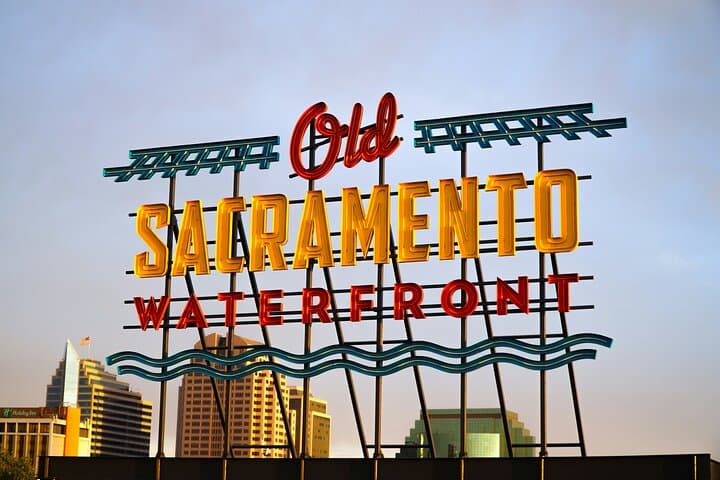
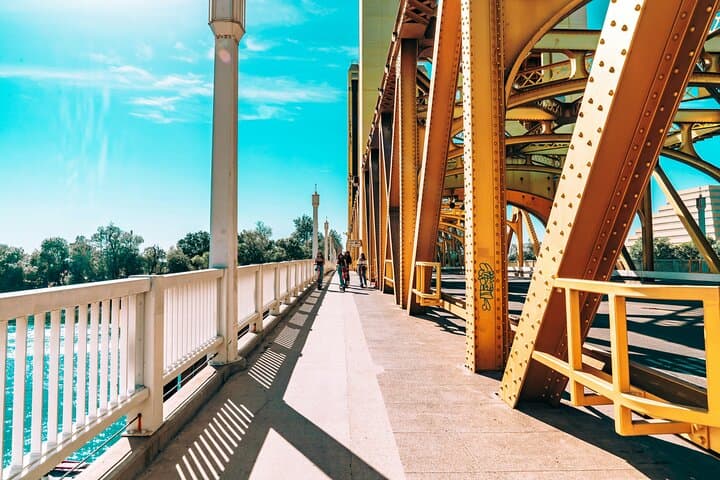
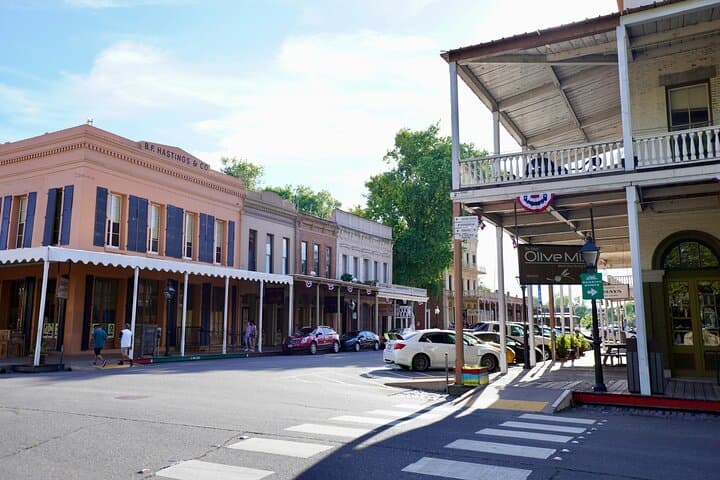
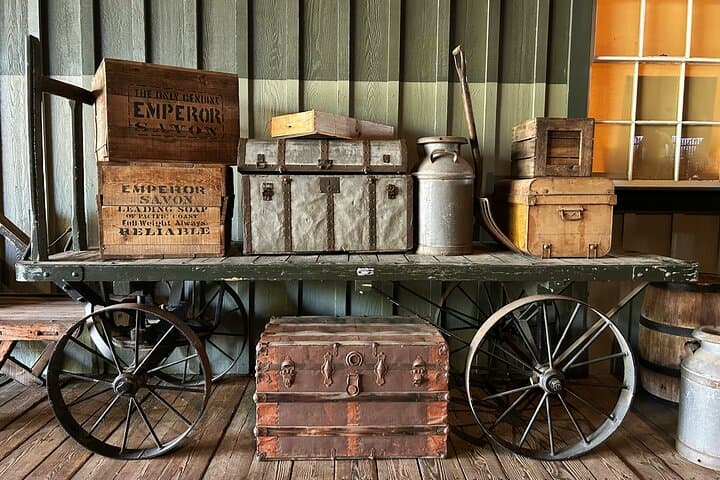
You step onto the raised wooden boardwalk and the city shifts around you: the Sacramento River hurries past like a story with a current, the Tower Bridge glints in gold, and façades from the 1850s line I Street as if waiting to be read.
You step onto the raised wooden boardwalk and the city shifts around you: the Sacramento River hurries past like a story with a current, the Tower Bridge glints in gold, and façades from the 1850s line I Street as if waiting to be read.
Old Sacramento was hewn out of the Gold Rush’s chaos — a gritty riverfront port that became the western terminus of the Pony Express and the launching point for the Transcontinental Railroad. That history is visible in architecture salvaged from shiploads around Cape Horn, in the heavy timber of early warehouses, and in plaques that mark where telegraph offices once whispered instant news across a young nation.
Geology here is quiet but present: the broad Sacramento Valley shaped commerce, and seasonal floods prompted engineers to raise streets and rebuild — an early lesson in working with the river rather than against it. Culture in Old Sac is civic and commercial; museums preserve the machinery of travel and migration while restaurants and repurposed steamboats keep the waterfront active.
Practical guidance: download the Drives & Detours app and unlock your access code before you arrive to ensure offline playback. Expect 2–2.5 hours of mostly flat walking on wood, brick, and pavement with frequent stops for audio narration. Wear cushioned shoes, a light sunlayer, and carry water; summer days are hot and reflective off the river.
Take your time at the Railroad Museum and pause at the Pony Express marker. Move respectfully through restored interiors and public exhibits — these places survived flood, fire, and economic boom, and they tell the story of how Sacramento moved the American West.