THE ADVENTURE COLLECTIVE® · Independent discovery and booking for outdoor travel

A focused 2½-hour private walking tour through Old Quebec that links fortifications, architecture and the St. Lawrence to the climate and geography that shaped them. Ideal for history buffs who want nature’s role in urban evolution explained on the move.
A focused 2½-hour private walking tour through Old Quebec that links fortifications, architecture and the St. Lawrence to the climate and geography that shaped them. Ideal for history buffs who want nature’s role in urban evolution explained on the move.
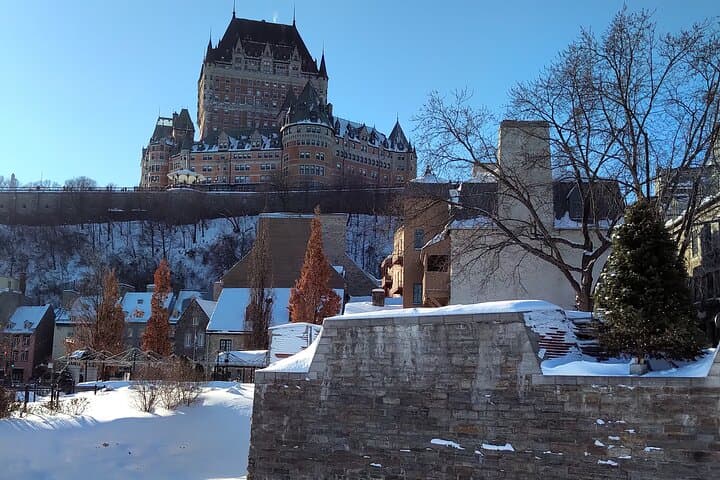
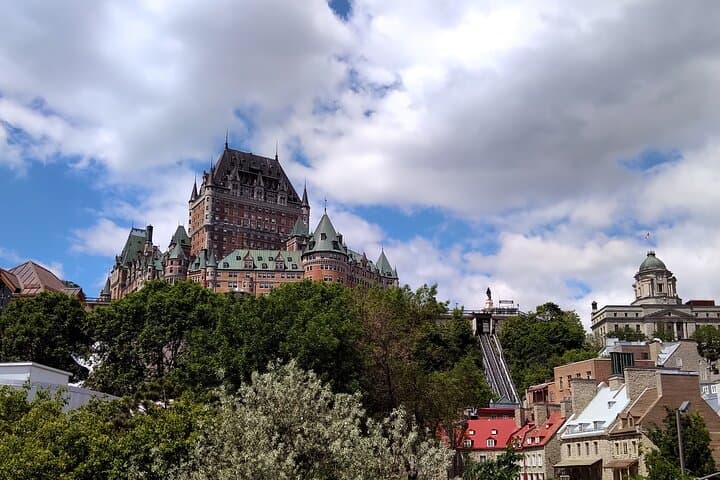
You step off the funicular into a winter-breathed plaza or a summer-warmed square and Old Quebec unfolds like a living classroom: flagstones underfoot, the St. Lawrence’s hush pressing at the cliff’s edge, and the Chateau Frontenac watching every turn.
Verified experiences and guided adventures in the surrounding area.
Operated by Walking and Hiking through History and Nature · Quebec City, Quebec
You step off the funicular into a winter-breathed plaza or a summer-warmed square and Old Quebec unfolds like a living classroom: flagstones underfoot, the St. Lawrence’s hush pressing at the cliff’s edge, and the Chateau Frontenac watching every turn.
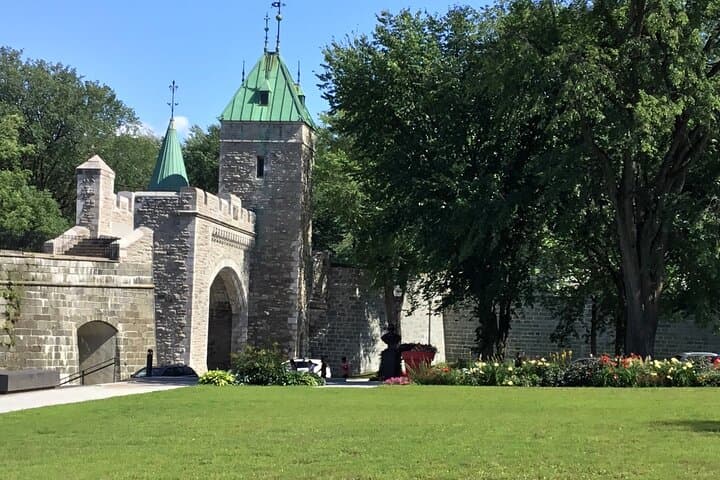
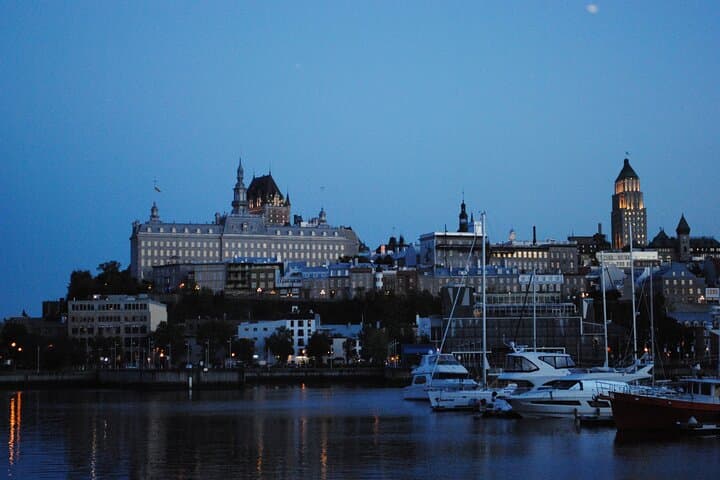
This 2½-hour private walking tour threads Upper and Lower Towns—fortifications, narrow lanes, the Basilica, Dufferin Terrace—connecting 16th‑century French settlement to the sub‑arctic climate that shaped local architecture and daily life. Guides interpret how geography and long winters forced building techniques, trade patterns, and political alignments; they point out stone foundations that resisted frost heave and roofs angled to shed heavy snow. The city’s limestone bedrock and the river’s tidal reach are actors here—sometimes resisting development, sometimes directing it.
Beyond stones and dates, the tour highlights cultural shifts: Scottish mercantile influence, the Ursuline presence, and modern Quebec politics and economy visible in storefronts and bilingual signage. Small natural details—microclimates on sun‑facing terraces, hardy plantings in crevices—illustrate adaptation as vividly as any archival photo.
Practical side: expect cobbles, stairs and short steep sections; wear supportive shoes and layer for sudden weather changes. Bring a water bottle and a compact umbrella in shoulder seasons. The route is compact but uneven; a moderate fitness level makes the experience comfortable. For photographers, sunrise or golden hour softens the stone; for history lovers, ask your guide about lesser-known sites along the riverfront. This is urban exploration with a field‑guide lens—history explained through place, climate and lived adaptation.
moderate.
2–3 hours.
Moderate—able to walk continuously for 2+ hours with short uphill sections and stairs
The private tour lasts about 150 minutes and covers both Upper Town and Lower Town, including the Chateau Frontenac area, Dufferin Terrace, the basilica and historic fortifications.
The route includes cobblestones, stairs and short steep sections; it’s not ideal for those with significant mobility issues—contact the operator to discuss accommodations.
Guides typically offer commentary in English and French; confirm language preference at booking to ensure availability.
The tour focuses on exterior sites and interpretation; admission to museums or paid attractions is generally not included unless specified.
Old Quebec is North America’s oldest permanent French settlement; its walls and layered architecture reflect centuries of military, religious and commercial history.
Visitors are encouraged to stay on paths, avoid disturbing heritage masonry, and use refillable water bottles to reduce waste in this UNESCO urban site.
Walking and Hiking through History and Nature operates guided outdoor trips and adventures with an emphasis on safety, stewardship, and memorable experiences.
You step off the funicular into a winter-breathed plaza or a summer-warmed square and Old Quebec unfolds like a living classroom: flagstones underfoot, the St. Lawrence’s hush pressing at the cliff’s edge, and the Chateau Frontenac watching every turn.
You step off the funicular into a winter-breathed plaza or a summer-warmed square and Old Quebec unfolds like a living classroom: flagstones underfoot, the St. Lawrence’s hush pressing at the cliff’s edge, and the Chateau Frontenac watching every turn.
This 2½-hour private walking tour threads Upper and Lower Towns—fortifications, narrow lanes, the Basilica, Dufferin Terrace—connecting 16th‑century French settlement to the sub‑arctic climate that shaped local architecture and daily life. Guides interpret how geography and long winters forced building techniques, trade patterns, and political alignments; they point out stone foundations that resisted frost heave and roofs angled to shed heavy snow. The city’s limestone bedrock and the river’s tidal reach are actors here—sometimes resisting development, sometimes directing it.
Beyond stones and dates, the tour highlights cultural shifts: Scottish mercantile influence, the Ursuline presence, and modern Quebec politics and economy visible in storefronts and bilingual signage. Small natural details—microclimates on sun‑facing terraces, hardy plantings in crevices—illustrate adaptation as vividly as any archival photo.
Practical side: expect cobbles, stairs and short steep sections; wear supportive shoes and layer for sudden weather changes. Bring a water bottle and a compact umbrella in shoulder seasons. The route is compact but uneven; a moderate fitness level makes the experience comfortable. For photographers, sunrise or golden hour softens the stone; for history lovers, ask your guide about lesser-known sites along the riverfront. This is urban exploration with a field‑guide lens—history explained through place, climate and lived adaptation.