THE ADVENTURE COLLECTIVE® · Independent discovery and booking for outdoor travel

Walk Portland’s Old Port with a guide, sample classic Maine seafood from trap to table, and learn the local fishing history over three relaxed hours. This bite-sized waterfront tour pairs tasty staples with practical insight into Maine’s lobster industry.
Walk Portland’s Old Port with a guide, sample classic Maine seafood from trap to table, and learn the local fishing history over three relaxed hours. This bite-sized waterfront tour pairs tasty staples with practical insight into Maine’s lobster industry.
You step off the curb into the hum of Portland’s Old Port: salt on the air, gulls circling above pilings, and lobster boats idling as dockworkers move with the calm speed of practiced hands.
Verified experiences and guided adventures in the surrounding area.
You step off the curb into the hum of Portland’s Old Port: salt on the air, gulls circling above pilings, and lobster boats idling as dockworkers move with the calm speed of practiced hands.
This three-hour walking lunch threads roughly 1–1.5 miles along Commercial Street and through cobbled side streets, following the working waterfront where Maine’s lobster industry still sets the rhythm. The tour pairs straightforward storytelling about local fisheries with bites: a whole lobster roll, New England clam or seafood chowder, a local brew, a whoopie pie and surprise tastes that make the sea itself part of the meal.
Portland’s maritime history dates to the 18th and 19th centuries, when shipbuilding and trade shaped the brick warehouses you pass. Geology is nearby: glacially scoured coastlines and granite piers create the shallow harbors that lobstermen rely upon. Local culture is a mix of blue-collar harbor life and a modern culinary scene that honors seasonality and sustainable harvests.
Practical edge: expect short blocks of standing and walking on uneven brick and boardwalk; plan for variable weather and wind off Casco Bay. Bring a light layer and sturdy shoes, drink water between tastings, and arrive hungry but not starved so you can enjoy portions and conversation. Tours often include time for Q&A with guides who know the traps, boats, and the people who still make a living from Maine’s crustaceans — a compact, flavorful way to read Portland’s waterfront on foot.
easy.
2–3 hours.
Suitable for most people who can walk 1–2 miles at an easy pace and stand for short stretches.
The experience lasts about three hours and covers approximately 1–1.5 miles on mainly flat, urban waterfront paths and cobbled streets.
Most tours can accommodate common dietary restrictions if notified in advance — contact the operator before booking to arrange alternatives.
Yes; families with older children who can handle walking and standing for short periods will typically enjoy the tastings and kid-friendly portions.
Tours run in light rain; bring a waterproof layer. Operators usually cancel or reschedule for severe weather—check confirmation details for their cancellation policy.
Portland’s Old Port grew from 18th–19th century shipbuilding and coastal trade; lobster traps and fish piers remain central to the neighborhood’s working identity.
Maine’s lobster fishery follows strict size, season, and trap regulations; visitors are encouraged to support operators who source responsibly and to minimize single-use plastics on the waterfront.
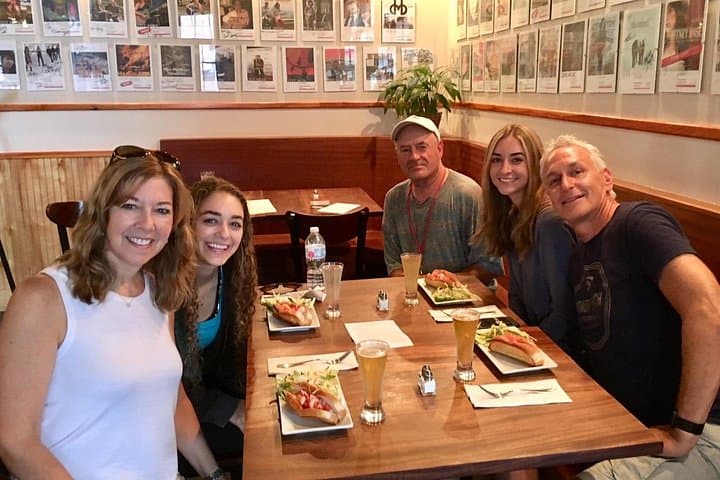
You step off the curb into the hum of Portland’s Old Port: salt on the air, gulls circling above pilings, and lobster boats idling as dockworkers move with the calm speed of practiced hands.
You step off the curb into the hum of Portland’s Old Port: salt on the air, gulls circling above pilings, and lobster boats idling as dockworkers move with the calm speed of practiced hands.
This three-hour walking lunch threads roughly 1–1.5 miles along Commercial Street and through cobbled side streets, following the working waterfront where Maine’s lobster industry still sets the rhythm. The tour pairs straightforward storytelling about local fisheries with bites: a whole lobster roll, New England clam or seafood chowder, a local brew, a whoopie pie and surprise tastes that make the sea itself part of the meal.
Portland’s maritime history dates to the 18th and 19th centuries, when shipbuilding and trade shaped the brick warehouses you pass. Geology is nearby: glacially scoured coastlines and granite piers create the shallow harbors that lobstermen rely upon. Local culture is a mix of blue-collar harbor life and a modern culinary scene that honors seasonality and sustainable harvests.
Practical edge: expect short blocks of standing and walking on uneven brick and boardwalk; plan for variable weather and wind off Casco Bay. Bring a light layer and sturdy shoes, drink water between tastings, and arrive hungry but not starved so you can enjoy portions and conversation. Tours often include time for Q&A with guides who know the traps, boats, and the people who still make a living from Maine’s crustaceans — a compact, flavorful way to read Portland’s waterfront on foot.