THE ADVENTURE COLLECTIVE® · Independent discovery and booking for outdoor travel

Walk into a near-ghost village on the slopes of Mt. Pantokrator where Venetian stone houses and a red bell tower recall centuries of Corfu history. This private tour mixes easy hiking, local coffee, and stories that explain why Old Perithia fell silent.
Walk into a near-ghost village on the slopes of Mt. Pantokrator where Venetian stone houses and a red bell tower recall centuries of Corfu history. This private tour mixes easy hiking, local coffee, and stories that explain why Old Perithia fell silent.
You step off the minivan and the air sharpens—pine resin and ocean wind braided together—while stone alleyways fold uphill, inviting a slower rhythm.
Verified experiences and guided adventures in the surrounding area.
Operated by The Corfu Experience · Palaio Perithia, Ionian Islands
You step off the minivan and the air sharpens—pine resin and ocean wind braided together—while stone alleyways fold uphill, inviting a slower rhythm.
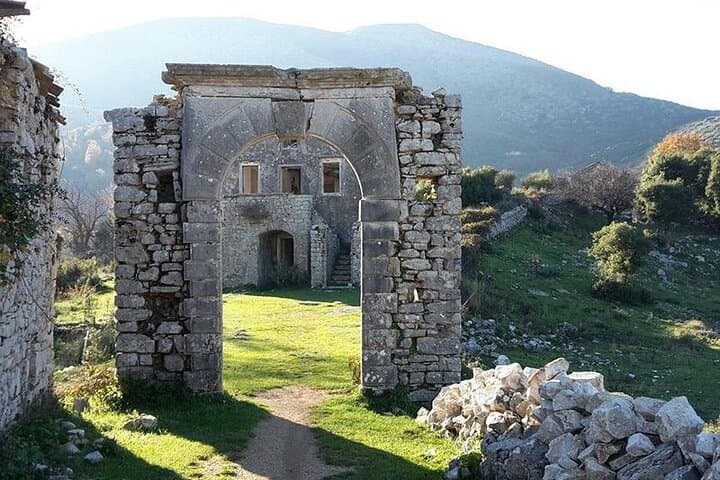
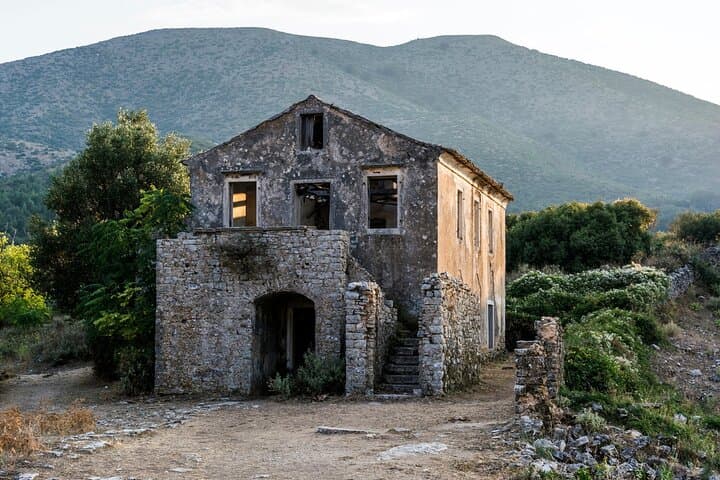
Old Perithia perches on the lower slopes of Mt. Pantokrator, a cluster of Venetian-style stone houses and red bell towers frozen around courtyards and narrow lanes. The village’s weathered facades and aqueducts map centuries of island life: Ottoman raids, Venetian rule and a slow exodus in the 19th century that left roofs and stories behind. The geology here is island limestone, carved by seasonal streams; the slope is forgiving but uneven, a patchwork of cobbles, old oil presses and terraced orchards.
Culture arrives in the square as readily as coffee—local hosts pour Greek coffee under plane trees, trade village folklore and point out the Saint James bell tower visible from a distance. Walks into nearby Nymfes reveal forested footpaths and small waterfalls where the island’s freshwater briefly dares the sea.
Practicalities: expect about six hours total including transport and lunch, with roughly one to two hours of walking across uneven, uphill streets at about 450 m elevation. Wear sturdy footwear and bring layers—mountain air can flip between sun and chill in an hour. Cash helps at small coffeehouses; restrooms are limited to village cafés. Guides usually include coffee and a local lunch, and tours are private, family-friendly but not recommended for pregnant travelers due to the rough footing.
This experience blends light hiking, history and village life—an approachable day for travelers who want grounded adventure with cultural payoff.
moderate.
6 hours.
Light to moderate fitness; able to walk on uneven stone lanes and handle short uphill sections at ~450 m elevation.
The full tour is about six hours including transport and lunch; expect 1–2 hours of walking spread across visits in the village and nearby footpaths.
Children are welcome; some flat sections accommodate strollers, but many narrow lanes and steps mean a carrier or sturdy stroller is preferable.
Guides typically include coffee/tea at the village square and a local lunch, but small purchases at cafés may require cash.
Yes—private roads lead to nearby parking, but many visitors use guided transport for navigation and local context.
Old Perithia grew under Venetian influence; by the 19th century population decline from disease and emigration left many stone houses abandoned, preserving the village’s historic character.
The village is a protected historic site; visitors are encouraged to stick to paths, avoid climbing ruins and support local businesses to sustain conservation efforts.
The Corfu Experience operates guided outdoor trips and adventures with an emphasis on safety, stewardship, and memorable experiences.
You step off the minivan and the air sharpens—pine resin and ocean wind braided together—while stone alleyways fold uphill, inviting a slower rhythm.
You step off the minivan and the air sharpens—pine resin and ocean wind braided together—while stone alleyways fold uphill, inviting a slower rhythm.
Old Perithia perches on the lower slopes of Mt. Pantokrator, a cluster of Venetian-style stone houses and red bell towers frozen around courtyards and narrow lanes. The village’s weathered facades and aqueducts map centuries of island life: Ottoman raids, Venetian rule and a slow exodus in the 19th century that left roofs and stories behind. The geology here is island limestone, carved by seasonal streams; the slope is forgiving but uneven, a patchwork of cobbles, old oil presses and terraced orchards.
Culture arrives in the square as readily as coffee—local hosts pour Greek coffee under plane trees, trade village folklore and point out the Saint James bell tower visible from a distance. Walks into nearby Nymfes reveal forested footpaths and small waterfalls where the island’s freshwater briefly dares the sea.
Practicalities: expect about six hours total including transport and lunch, with roughly one to two hours of walking across uneven, uphill streets at about 450 m elevation. Wear sturdy footwear and bring layers—mountain air can flip between sun and chill in an hour. Cash helps at small coffeehouses; restrooms are limited to village cafés. Guides usually include coffee and a local lunch, and tours are private, family-friendly but not recommended for pregnant travelers due to the rough footing.
This experience blends light hiking, history and village life—an approachable day for travelers who want grounded adventure with cultural payoff.