THE ADVENTURE COLLECTIVE® · Independent discovery and booking for outdoor travel

Travel from Chisinau to Cricova’s underground wine cellars and the cliff-carved cave monastery at Old Orhei in a single day. This guided tour blends tasting, archaeology, and a short, rewarding walk through one of Moldova’s most atmospheric landscapes.
Travel from Chisinau to Cricova’s underground wine cellars and the cliff-carved cave monastery at Old Orhei in a single day. This guided tour blends tasting, archaeology, and a short, rewarding walk through one of Moldova’s most atmospheric landscapes.
A light van ride north from Chisinau opens onto limestone cliffs and a lattice of dugout cellars; air cools and the land feels older here. At Orheiul Vechi the river has carved terraces into the limestone, and the cave monastery — carved and expanded by monks over centuries — looks out from a sheer cliff like a guardian watching the valley below.
Verified experiences and guided adventures in the surrounding area.
Operated by Moldovatovisit&tours · Orhei, Orhei District
A light van ride north from Chisinau opens onto limestone cliffs and a lattice of dugout cellars; air cools and the land feels older here. At Orheiul Vechi the river has carved terraces into the limestone, and the cave monastery — carved and expanded by monks over centuries — looks out from a sheer cliff like a guardian watching the valley below.
The day pairs two distinct chapters of Moldovan history: subterranean viticulture at Cricova, where Soviet-era wine troves were cut into the shell rock and now hold millions of bottles, and the open-air archaeological complex of Old Orhei, where Tatar, Moldavian and Orthodox traces overlap. Geologically, the reserve sits on soft limestone and loess, shaped by the Răut River into caves and natural amphitheaters; culturally the villages around Butuceni preserve rural crafts and traditional meals.
Expect guided cellar passages, an organized tasting of Cricova labels, then a short drive to Orheiul Vechi. Walks to the cave monastery include uneven stone steps and short climbs on dirt trails — nothing technical but steady footing matters. Lunch in a family-run pension offers local cuisine and folk music.
Practical: wear sturdy walking shoes, bring a light layer for cool cellar air, and carry a refillable bottle — bottled water is provided but topping up saves plastic. Tours run 7–8 hours; start mid-morning to avoid afternoon crowds. Cameras, modest clothing for religious sites, and a readiness to move between underground cool and open, sunlit terraces will make the day smooth and memorable.
easy.
7–8 hours.
Suitable for travelers with light to moderate fitness; involves short hikes and standing during tastings
The tour lasts about 7–8 hours and typically includes transport from Chisinau, guided Cricova cellar visit with tasting, entrance to Old Orhei reserve, and bottled water and snacks.
No — walks include short climbs and uneven steps but are suitable for most visitors; wear comfortable shoes and plan for short, steady uphill sections.
Yes — Cricova has retail options to purchase bottles. Check customs rules if you plan to bring wine across borders.
Lunch is usually not included; the itinerary often stops at a local pension where you can pay for a traditional Moldovan meal and folk program.
Old Orhei preserves archaeological layers from medieval Moldavian settlements, Tatar outposts and a cave monastery expanded by Orthodox monks over centuries.
The reserve is protected to preserve both cultural ruins and fragile karst landscapes; visitors are asked to stay on marked paths and minimize waste to reduce erosion and disturbance.
Moldovatovisit&tours operates guided outdoor trips and adventures with an emphasis on safety, stewardship, and memorable experiences.
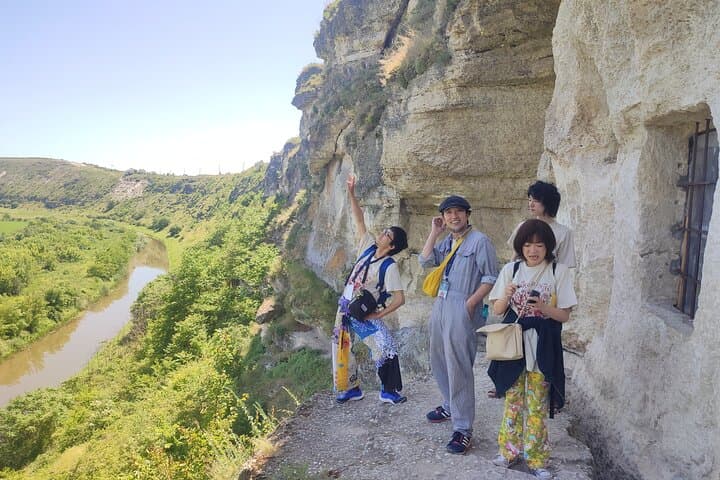
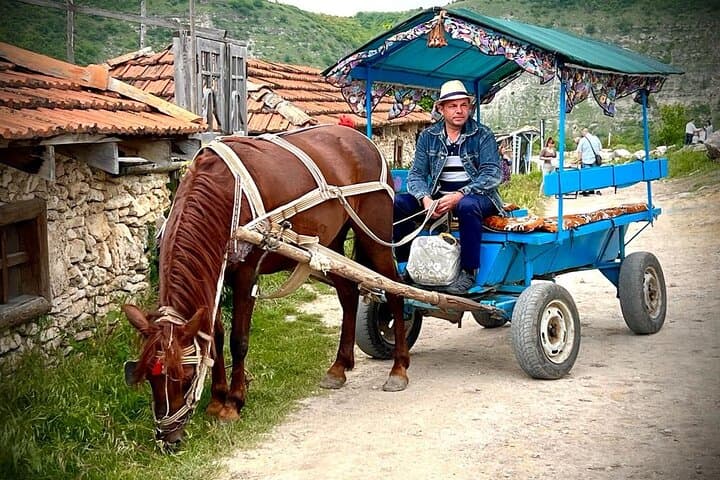
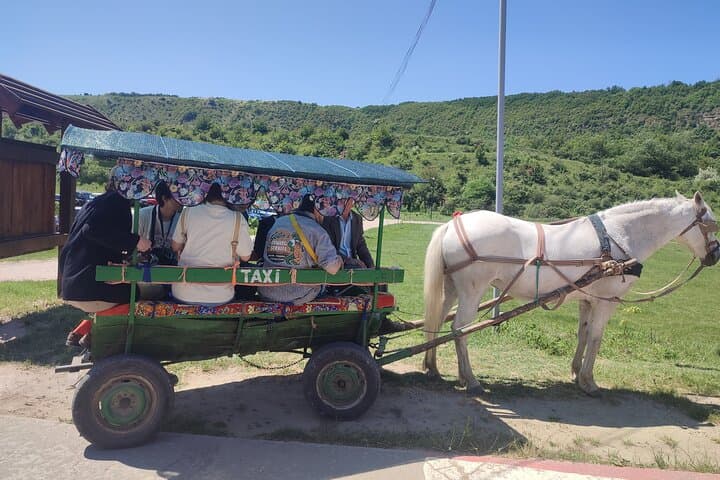
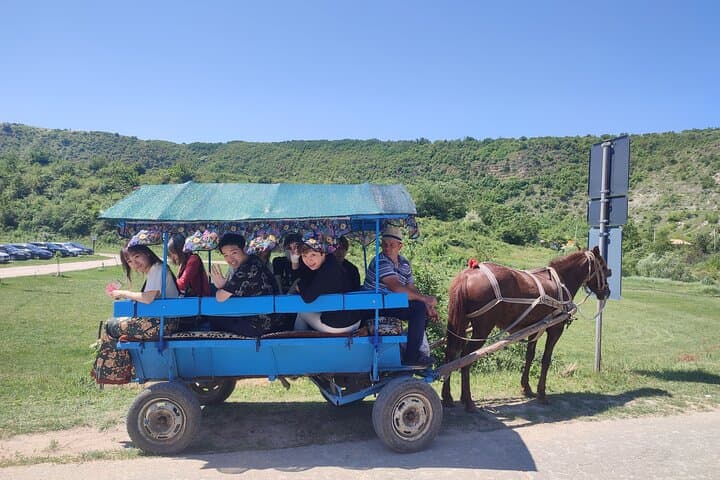
A light van ride north from Chisinau opens onto limestone cliffs and a lattice of dugout cellars; air cools and the land feels older here. At Orheiul Vechi the river has carved terraces into the limestone, and the cave monastery — carved and expanded by monks over centuries — looks out from a sheer cliff like a guardian watching the valley below.
A light van ride north from Chisinau opens onto limestone cliffs and a lattice of dugout cellars; air cools and the land feels older here. At Orheiul Vechi the river has carved terraces into the limestone, and the cave monastery — carved and expanded by monks over centuries — looks out from a sheer cliff like a guardian watching the valley below.
The day pairs two distinct chapters of Moldovan history: subterranean viticulture at Cricova, where Soviet-era wine troves were cut into the shell rock and now hold millions of bottles, and the open-air archaeological complex of Old Orhei, where Tatar, Moldavian and Orthodox traces overlap. Geologically, the reserve sits on soft limestone and loess, shaped by the Răut River into caves and natural amphitheaters; culturally the villages around Butuceni preserve rural crafts and traditional meals.
Expect guided cellar passages, an organized tasting of Cricova labels, then a short drive to Orheiul Vechi. Walks to the cave monastery include uneven stone steps and short climbs on dirt trails — nothing technical but steady footing matters. Lunch in a family-run pension offers local cuisine and folk music.
Practical: wear sturdy walking shoes, bring a light layer for cool cellar air, and carry a refillable bottle — bottled water is provided but topping up saves plastic. Tours run 7–8 hours; start mid-morning to avoid afternoon crowds. Cameras, modest clothing for religious sites, and a readiness to move between underground cool and open, sunlit terraces will make the day smooth and memorable.