THE ADVENTURE COLLECTIVE® · Independent discovery and booking for outdoor travel

Explore Orheiul Vechi’s cliff-carved monastery and rural ethnography, then descend into Brănești’s underground wine cellars for a tasting and lunch. This six-hour day tour blends geology, history and local wine culture—perfect for travelers seeking an immersive cultural outing from Chisinau.
Explore Orheiul Vechi’s cliff-carved monastery and rural ethnography, then descend into Brănești’s underground wine cellars for a tasting and lunch. This six-hour day tour blends geology, history and local wine culture—perfect for travelers seeking an immersive cultural outing from Chisinau.
A wind-swept gorge opens before you as the minivan drops off near Orheiul Vechi. The Răut River below carves a narrow corridor through limestone cliffs; sunlight catches on weathered rock faces and the low stone dwellings that cling to them. A short walk leads to the cave monastery—rooms, chapels and cells hewn directly into the cliff—where centuries of quiet ritual still feel present in the echo of footsteps.
Verified experiences and guided adventures in the surrounding area.
Operated by Moldovatovisit&tours · Orhei, Orhei District
A wind-swept gorge opens before you as the minivan drops off near Orheiul Vechi. The Răut River below carves a narrow corridor through limestone cliffs; sunlight catches on weathered rock faces and the low stone dwellings that cling to them. A short walk leads to the cave monastery—rooms, chapels and cells hewn directly into the cliff—where centuries of quiet ritual still feel present in the echo of footsteps.
Orheiul Vechi is both an archaeological site and a living cultural landscape: layered occupation from medieval fortifications to monastic life sits above fertile river terraces once shaped by glacial and fluvial forces. In nearby Butuceni, traditional Moldovan houses and the Ethnographic Museum illustrate rural life across the 19th and 20th centuries. The geology—soft limestone and loess—made cave carving practical and gives the valley its jagged profile.
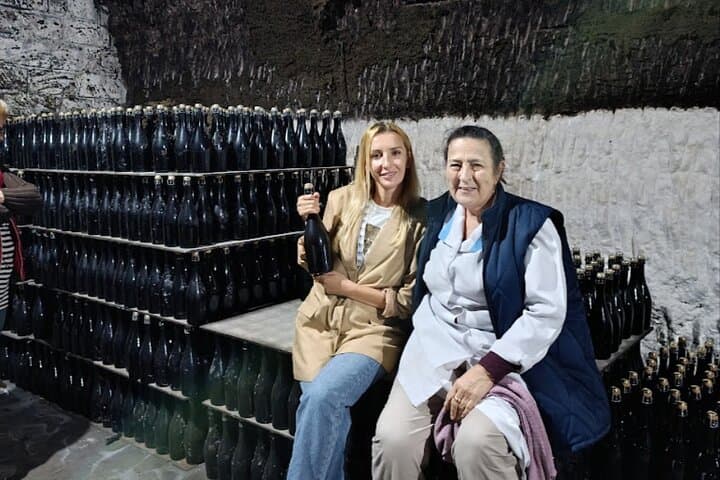
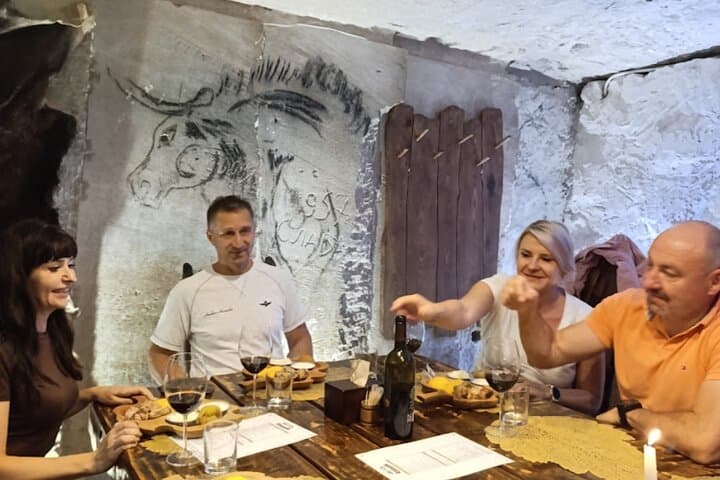
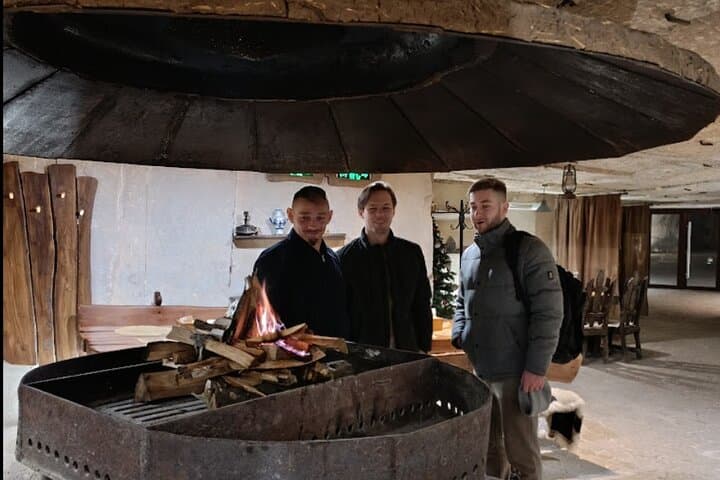
After exploring, the tour moves to Brănești, where Pivnițele Brănești’s tasting halls—one underground—offer a tactile counterpoint: wooden barrels, metalwork and dim vaulted rooms that keep wine cool. The lack of reliable cell signal here emphasizes slow tasting and conversation.
Practical guidance: expect uneven paths and short steep sections at the monastery; wear sturdy shoes, bring water and a light jacket for the cellar. The full day runs about six hours from Chisinau with an included lunch and guided tasting. Cash for small purchases, a camera with extra battery, and respectful attire for religious sites make the visit smoother. This combination of landscape, history and cellar time is ideal for travelers who want cultural depth with a relaxed pace.
easy.
6 hours.
Suitable for most fitness levels; able to walk short, uneven trails and climb modest stairs or cliff-side steps.
The full excursion is approximately six hours and typically departs from Chisinau with round-trip transportation included.
No technical climbing is required, but visitors should be comfortable walking on uneven ground and short steep sections; there are some stairs carved into rock.
Yes—samples are included during the Brănești cellar visit, often alongside a light lunch featuring local cuisine.
Mobile signal can be intermittent in the valley and may be absent inside the underground cellar; plan for limited connectivity.
Orheiul Vechi preserves medieval fortifications and a cave monastery with origins from the 13th century onward, reflecting Moldavia’s layered cultural and religious history.
Visitors should stick to marked paths to protect fragile loess slopes and archaeological deposits; local projects promote sustainable tourism to reduce erosion and preserve cultural sites.
Moldovatovisit&tours operates guided outdoor trips and adventures with an emphasis on safety, stewardship, and memorable experiences.
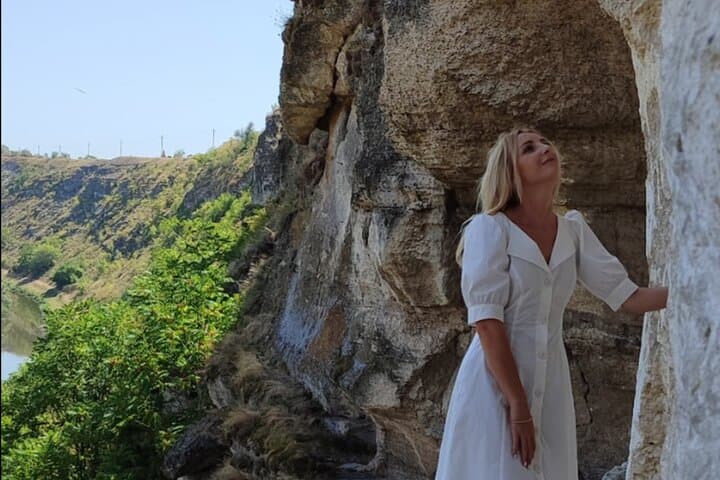
A wind-swept gorge opens before you as the minivan drops off near Orheiul Vechi. The Răut River below carves a narrow corridor through limestone cliffs; sunlight catches on weathered rock faces and the low stone dwellings that cling to them. A short walk leads to the cave monastery—rooms, chapels and cells hewn directly into the cliff—where centuries of quiet ritual still feel present in the echo of footsteps.
A wind-swept gorge opens before you as the minivan drops off near Orheiul Vechi. The Răut River below carves a narrow corridor through limestone cliffs; sunlight catches on weathered rock faces and the low stone dwellings that cling to them. A short walk leads to the cave monastery—rooms, chapels and cells hewn directly into the cliff—where centuries of quiet ritual still feel present in the echo of footsteps.
Orheiul Vechi is both an archaeological site and a living cultural landscape: layered occupation from medieval fortifications to monastic life sits above fertile river terraces once shaped by glacial and fluvial forces. In nearby Butuceni, traditional Moldovan houses and the Ethnographic Museum illustrate rural life across the 19th and 20th centuries. The geology—soft limestone and loess—made cave carving practical and gives the valley its jagged profile.
After exploring, the tour moves to Brănești, where Pivnițele Brănești’s tasting halls—one underground—offer a tactile counterpoint: wooden barrels, metalwork and dim vaulted rooms that keep wine cool. The lack of reliable cell signal here emphasizes slow tasting and conversation.
Practical guidance: expect uneven paths and short steep sections at the monastery; wear sturdy shoes, bring water and a light jacket for the cellar. The full day runs about six hours from Chisinau with an included lunch and guided tasting. Cash for small purchases, a camera with extra battery, and respectful attire for religious sites make the visit smoother. This combination of landscape, history and cellar time is ideal for travelers who want cultural depth with a relaxed pace.