THE ADVENTURE COLLECTIVE® · Independent discovery and booking for outdoor travel

Walk through Old Nizwa with a local guide and discover fort ramparts, active souqs, and traditional falaj channels. This private 4-hour tour blends history, living culture, and practical insights into daily Omani life.
Walk through Old Nizwa with a local guide and discover fort ramparts, active souqs, and traditional falaj channels. This private 4-hour tour blends history, living culture, and practical insights into daily Omani life.
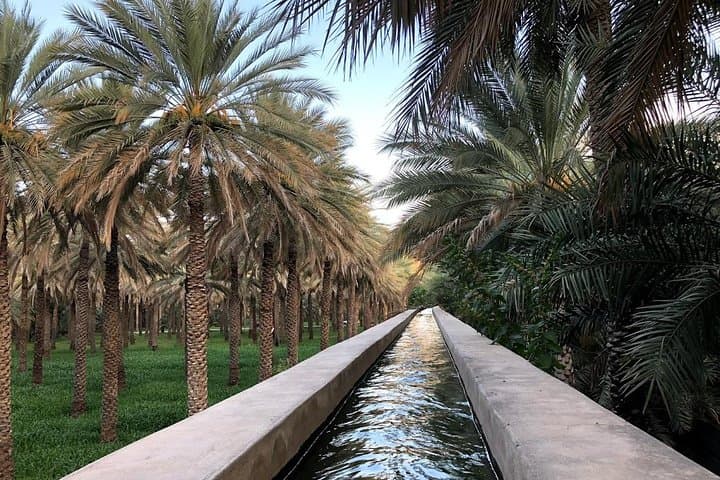
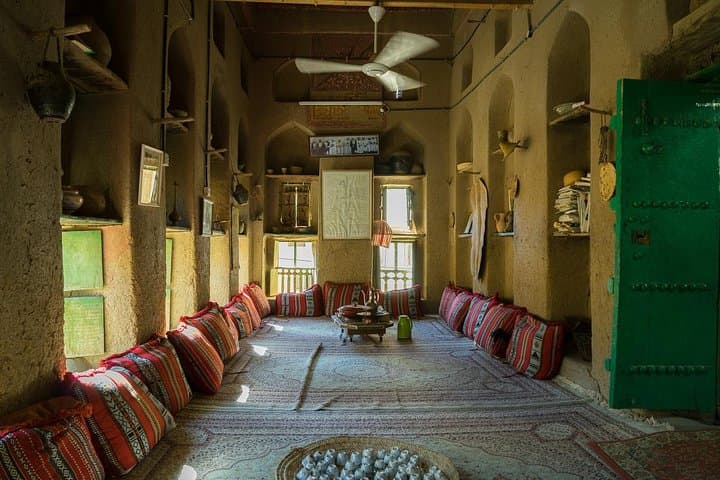
The sun hits the pale mud-brick walls of Nizwa as you step off the shaded street and into a slower rhythm: merchants arranging silver khanjars, children racing along narrow alleys, and the steady pulse of falaj water guiding life through the town. An Old Nizwa walk puts you at street level—close enough to hear the rasp of pottery, to see date palms leaning toward channels, and to feel the fort’s stones radiate afternoon heat.
Verified experiences and guided adventures in the surrounding area.
Operated by Tijwal Majan · Nizwa, Ad Dakhiliyah
The sun hits the pale mud-brick walls of Nizwa as you step off the shaded street and into a slower rhythm: merchants arranging silver khanjars, children racing along narrow alleys, and the steady pulse of falaj water guiding life through the town. An Old Nizwa walk puts you at street level—close enough to hear the rasp of pottery, to see date palms leaning toward channels, and to feel the fort’s stones radiate afternoon heat.
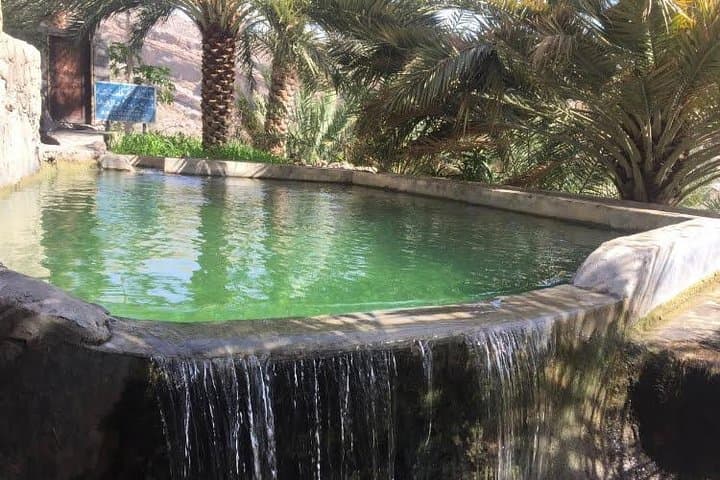
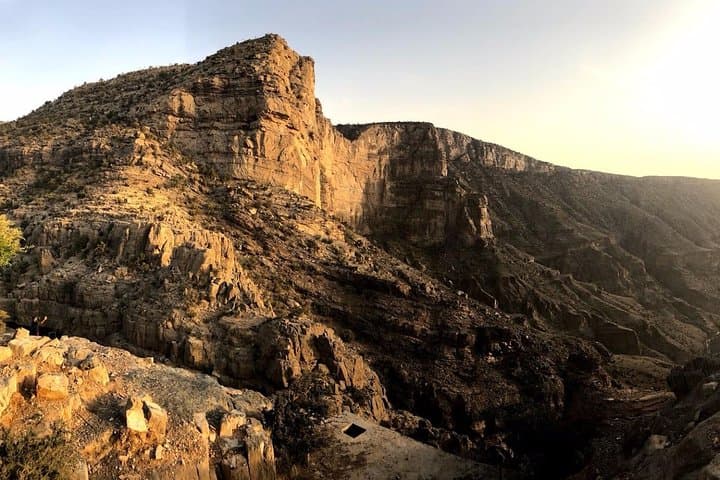
This area was a political and economic hub in Oman for centuries; the 17th-century Nizwa Fort dominates the skyline and tells a layered story of defense and community life. Geologically, the town sits on limestone and alluvial plains where ancient irrigation (falaj) channels redirect mountain runoff—these canals still coax gardens and palms to grow in the arid landscape. Culture here is practical and convivial: market bargaining is routine, and local craft skills—silverwork, basketry, goat-hair weaving—are visible in plain view.
Expect a private, guide-led 4-hour stroll that moves at an easy pace but covers varied terrain: paved souq alleys, compacted village tracks, and stepped approaches to the fort. Your guide will point out architectural details, explain the falaj system, and outline social customs to respect.
Practical notes: wear sturdy closed-toe shoes, carry sun protection and water, and plan for modest, smart-casual dress out of respect for local norms. Mornings and late afternoons are best for cooler light and livelier market activity. The walk rewards curiosity—ask questions, sample local dates, and let the steady flow of the falaj set the pace.
easy.
4 hours.
Suitable for most fitness levels; requires standing and moderate walking over uneven pavements and short steps.
The private tour lasts approximately 4 hours and covers the fort, the old souq, and nearby village/falaj areas.
Admission is not included in the basic walk—your guide will advise on ticket purchase if you wish to enter the fort museum.
The tour is marketed for adults (minimum age 18), but the walking pace is gentle—check with the operator about children and private arrangements.
Tours run in most weather conditions; in extreme heat plan for early starts and extra water—dress appropriately.
Nizwa was a regional center of learning and trade, with the 17th-century fort built to protect the town and its surrounding agricultural systems.
The falaj irrigation system is a living cultural landscape; visitors can help by avoiding litter, conserving water, and supporting local craftspeople.
Tijwal Majan operates guided outdoor trips and adventures with an emphasis on safety, stewardship, and memorable experiences.
The sun hits the pale mud-brick walls of Nizwa as you step off the shaded street and into a slower rhythm: merchants arranging silver khanjars, children racing along narrow alleys, and the steady pulse of falaj water guiding life through the town. An Old Nizwa walk puts you at street level—close enough to hear the rasp of pottery, to see date palms leaning toward channels, and to feel the fort’s stones radiate afternoon heat.
The sun hits the pale mud-brick walls of Nizwa as you step off the shaded street and into a slower rhythm: merchants arranging silver khanjars, children racing along narrow alleys, and the steady pulse of falaj water guiding life through the town. An Old Nizwa walk puts you at street level—close enough to hear the rasp of pottery, to see date palms leaning toward channels, and to feel the fort’s stones radiate afternoon heat.
This area was a political and economic hub in Oman for centuries; the 17th-century Nizwa Fort dominates the skyline and tells a layered story of defense and community life. Geologically, the town sits on limestone and alluvial plains where ancient irrigation (falaj) channels redirect mountain runoff—these canals still coax gardens and palms to grow in the arid landscape. Culture here is practical and convivial: market bargaining is routine, and local craft skills—silverwork, basketry, goat-hair weaving—are visible in plain view.
Expect a private, guide-led 4-hour stroll that moves at an easy pace but covers varied terrain: paved souq alleys, compacted village tracks, and stepped approaches to the fort. Your guide will point out architectural details, explain the falaj system, and outline social customs to respect.
Practical notes: wear sturdy closed-toe shoes, carry sun protection and water, and plan for modest, smart-casual dress out of respect for local norms. Mornings and late afternoons are best for cooler light and livelier market activity. The walk rewards curiosity—ask questions, sample local dates, and let the steady flow of the falaj set the pace.