THE ADVENTURE COLLECTIVE® · Independent discovery and booking for outdoor travel

Walk through Manila’s living history—from the devotion of Quiapo to the stone walls of Intramuros—on a four‑to‑five hour tour built for photos and context. Expect curated stops, local flavors, and practical tips for shooting and staying comfortable.
Walk through Manila’s living history—from the devotion of Quiapo to the stone walls of Intramuros—on a four‑to‑five hour tour built for photos and context. Expect curated stops, local flavors, and practical tips for shooting and staying comfortable.
You step off the jeepney into a tangle of color and sound: sari-sari stores, incense smoke from Quiapo Church, vendors calling prices in Tagalog. The guide folds history into every turn—from narrow Calle Real alleys to the broad plazas of Intramuros—so the city reads like a living map rather than a list of sights.
Verified experiences and guided adventures in the surrounding area.
Operated by ForeverVacation · Manila, Metro Manila
You step off the jeepney into a tangle of color and sound: sari-sari stores, incense smoke from Quiapo Church, vendors calling prices in Tagalog. The guide folds history into every turn—from narrow Calle Real alleys to the broad plazas of Intramuros—so the city reads like a living map rather than a list of sights.
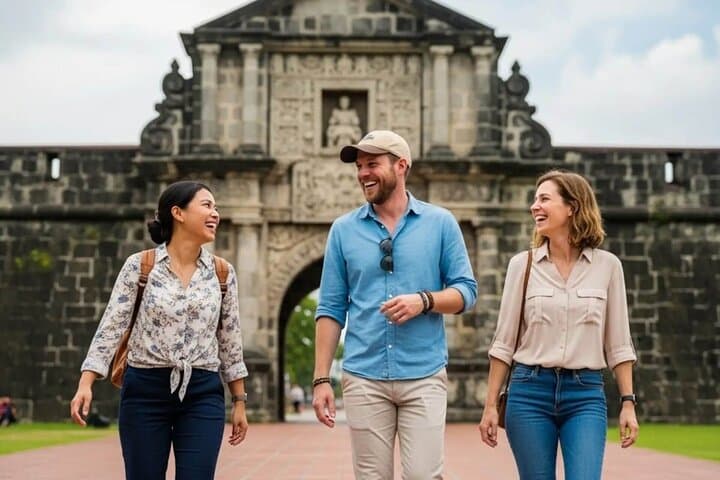
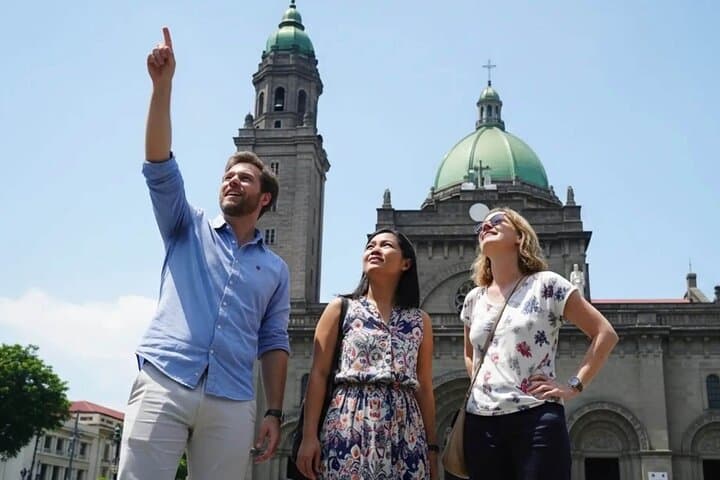
Manila’s layered past is visible in stone and street life. Spanish colonial fortifications, American-era boulevards and postwar rebuilds sit cheek by jowl; Intramuros’ cobblestones and neo-Romanesque cathedral recall centuries of trade, religion and resistance while Quiapo pulses with devotion and market barter. Geology here is subtle—man-made reclamation and the Pasig River’s tides shaped where neighborhoods rose and fell.
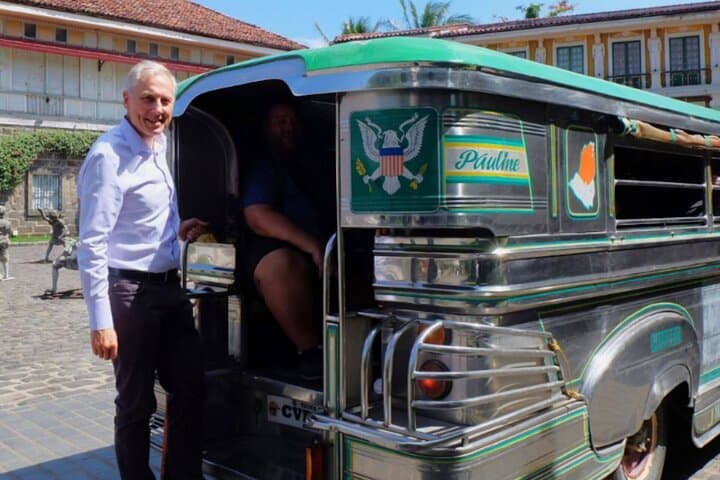
Culture is tactile: jeepneys painted in personal emblems, kalesa rides that still clip-clop past mossed walls, and small distilleries preserving local spirits. Local guides point out Rizal’s final footsteps, traditional herbal stalls, and the best rooftop vantage for sunset light.
Practical guidance: expect four to five hours of mostly flat walking with short vehicle transfers. Wear breathable shoes, carry a refillable bottle (your tour provides bottled water), and keep cash for small purchases. Midday heat favors morning starts or late-afternoon golden hour for photography. Bring a light rain jacket in wet months and a power bank for long photo days. The route is accessible for many fitness levels, but some cobbles and curbs can trip strollers and mobility devices.
This is a paced, story-driven city walk that balances iconography with tucked-away scenes—the kind of tour that leaves you with framed photos and sharper context about Manila’s past and present.
easy.
4–5 hours.
Suitable for most fitness levels; light walking on mostly flat, urban terrain with occasional steps and cobbles.
Yes—private air‑conditioned transport is provided for transfers between neighborhoods and included in the tour.
A heritage lunch at Barbara’s and bottled water are included; other snacks and purchases are at your own expense.
Yes—infant seats are available and the tour is described as physically easy, but supervise children on busy streets and cobbles.
Because this is a private tour, guides are usually flexible to allow extra time at key photo locations—mention priorities when booking.
Intramuros was the Spanish colonial seat from the 16th century and later became a focal point of national memory, including José Rizal’s final movements.
Urban tourism here stresses preserving historic fabric and reducing litter; support local businesses and avoid touching fragile architectural features.
ForeverVacation operates guided outdoor trips and adventures with an emphasis on safety, stewardship, and memorable experiences.

You step off the jeepney into a tangle of color and sound: sari-sari stores, incense smoke from Quiapo Church, vendors calling prices in Tagalog. The guide folds history into every turn—from narrow Calle Real alleys to the broad plazas of Intramuros—so the city reads like a living map rather than a list of sights.
You step off the jeepney into a tangle of color and sound: sari-sari stores, incense smoke from Quiapo Church, vendors calling prices in Tagalog. The guide folds history into every turn—from narrow Calle Real alleys to the broad plazas of Intramuros—so the city reads like a living map rather than a list of sights.
Manila’s layered past is visible in stone and street life. Spanish colonial fortifications, American-era boulevards and postwar rebuilds sit cheek by jowl; Intramuros’ cobblestones and neo-Romanesque cathedral recall centuries of trade, religion and resistance while Quiapo pulses with devotion and market barter. Geology here is subtle—man-made reclamation and the Pasig River’s tides shaped where neighborhoods rose and fell.
Culture is tactile: jeepneys painted in personal emblems, kalesa rides that still clip-clop past mossed walls, and small distilleries preserving local spirits. Local guides point out Rizal’s final footsteps, traditional herbal stalls, and the best rooftop vantage for sunset light.
Practical guidance: expect four to five hours of mostly flat walking with short vehicle transfers. Wear breathable shoes, carry a refillable bottle (your tour provides bottled water), and keep cash for small purchases. Midday heat favors morning starts or late-afternoon golden hour for photography. Bring a light rain jacket in wet months and a power bank for long photo days. The route is accessible for many fitness levels, but some cobbles and curbs can trip strollers and mobility devices.
This is a paced, story-driven city walk that balances iconography with tucked-away scenes—the kind of tour that leaves you with framed photos and sharper context about Manila’s past and present.