THE ADVENTURE COLLECTIVE® · Independent discovery and booking for outdoor travel

A focused 90-minute walking tour that tours the architectural heart of Old Louisville—Victorian mansions, hidden walking courts, and local folklore like the Witches’ Tree. Perfect for history and architecture fans who can walk without a bathroom break.
A focused 90-minute walking tour that tours the architectural heart of Old Louisville—Victorian mansions, hidden walking courts, and local folklore like the Witches’ Tree. Perfect for history and architecture fans who can walk without a bathroom break.
You step off the sidewalk at the brown “Welcome to Old Louisville” sign and the street seems to breathe history—gas lamps hold the dusk, elms lean over brick sidewalks, and a carved fountain marks the village square. For the next 90 minutes you move through one of America’s largest Victorian districts, where ornate porches and slate roofs crowd narrow walking courts and courtyards.
Verified experiences and guided adventures in the surrounding area.
Operated by Louisville Historic Tours · Louisville, Kentucky
You step off the sidewalk at the brown “Welcome to Old Louisville” sign and the street seems to breathe history—gas lamps hold the dusk, elms lean over brick sidewalks, and a carved fountain marks the village square. For the next 90 minutes you move through one of America’s largest Victorian districts, where ornate porches and slate roofs crowd narrow walking courts and courtyards.
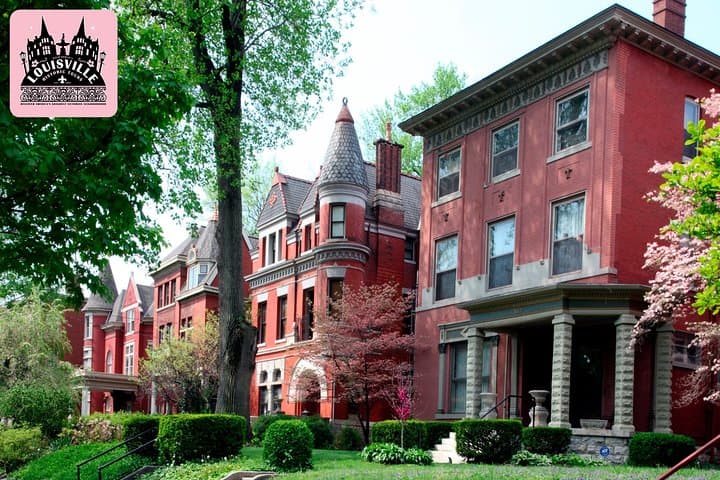
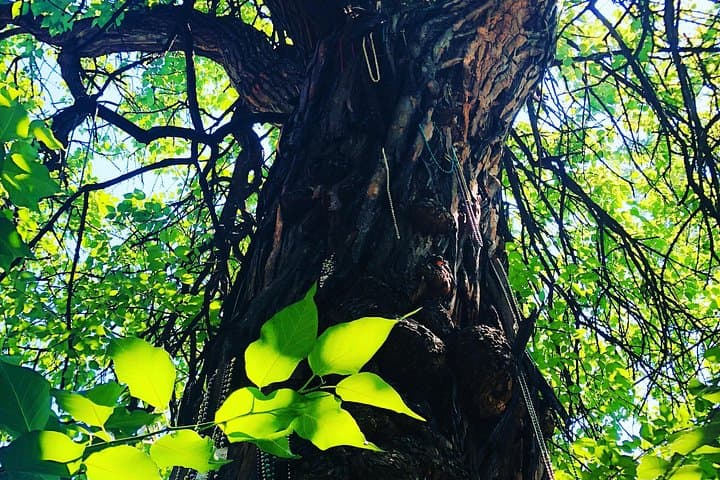
Old Louisville grew around the post-Civil War boom: bourbon fortunes, racetrack patrons, and tobacco magnates built Richardsonian Romanesque and Beaux-Arts mansions that still dominate Millionaires Row. The neighborhood’s plan includes Olmsted-designed Central Park—four shaded blocks that host free Shakespeare in the Park—and a network of intimate walking courts like Floral Terrace and Belgravia Court. Local lore threads the route too: the Witches’ Tree and its ritual offerings are part folklore, part living neighborhood story.
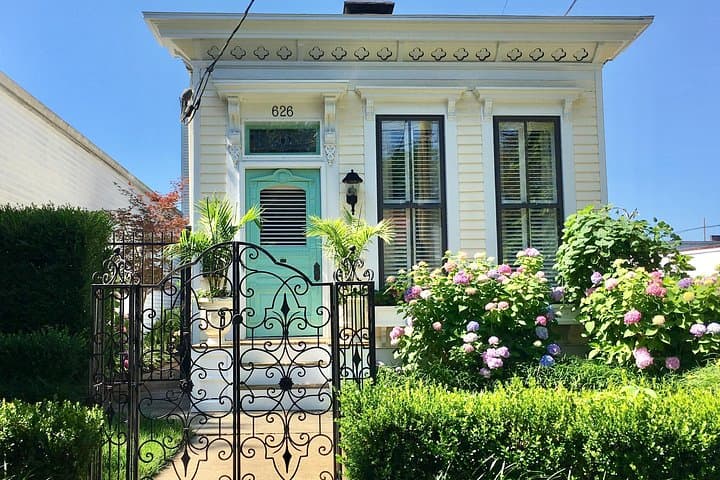
This is a walking tour first and foremost—expect paved streets, intermittent steps, and close-up views of private homes rather than interior access (the Conrad-Caldwell House is a scheduled stop outside). Guides narrate architecture, civic history, and neighborhood change while pointing out hidden details: gas lights, ornate lintels, and pocket gardens.
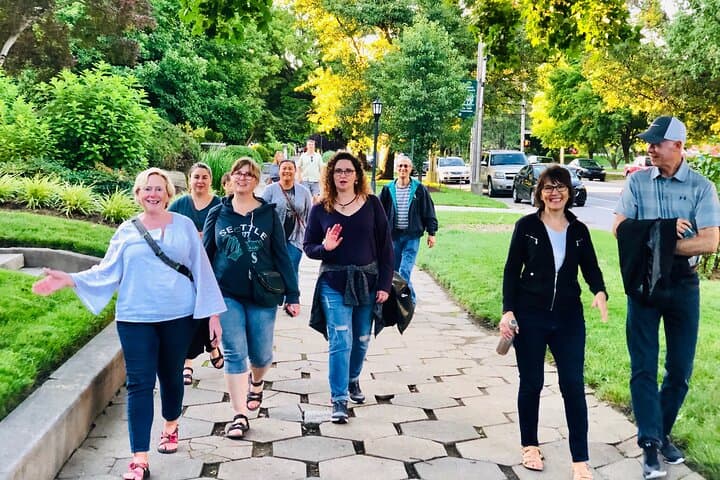
Practical edge: meet 10 minutes early at 1300 S. 4th St., plan for 90–120 minutes on your feet, and carry water and a pocket map. Be prepared to encounter an urban neighborhood in transition—panhandling and homelessness are sometimes visible. Wear supportive shoes, bring a light jacket for evening tours, and keep cameras polite: these are still homes, not museums.
easy.
1.5–2 hours.
For travelers who can stand and walk for 90 minutes without a bathroom break; light-to-moderate stamina required
Daytime tours meet at the brown “Welcome to Old Louisville” sign at the corner of South Fourth Street and West Ormsby Avenue (1300 S. 4th St.). Arrive 10 minutes early.
This tour is not recommended for visitors with mobility issues due to curbs, uneven sidewalks, and a walking-only format.
Most residences are private and not entered; the guide will stop outside the Conrad-Caldwell House Museum, and interior visits must be arranged separately with that museum.
All sales are final. Tours may be canceled for bad weather; if you miss the start time there are no refunds and it’s your responsibility to find the guide.
Old Louisville expanded after the Civil War when industrial wealth financed large Victorian homes; it later became a preservation success story with one of the nation’s largest contiguous historic districts.
The neighborhood balances preservation with modern needs—visitors are asked to stay on sidewalks and respect private property to minimize wear on historic lawns and gardens.
Louisville Historic Tours operates guided outdoor trips and adventures with an emphasis on safety, stewardship, and memorable experiences.
You step off the sidewalk at the brown “Welcome to Old Louisville” sign and the street seems to breathe history—gas lamps hold the dusk, elms lean over brick sidewalks, and a carved fountain marks the village square. For the next 90 minutes you move through one of America’s largest Victorian districts, where ornate porches and slate roofs crowd narrow walking courts and courtyards.
You step off the sidewalk at the brown “Welcome to Old Louisville” sign and the street seems to breathe history—gas lamps hold the dusk, elms lean over brick sidewalks, and a carved fountain marks the village square. For the next 90 minutes you move through one of America’s largest Victorian districts, where ornate porches and slate roofs crowd narrow walking courts and courtyards.
Old Louisville grew around the post-Civil War boom: bourbon fortunes, racetrack patrons, and tobacco magnates built Richardsonian Romanesque and Beaux-Arts mansions that still dominate Millionaires Row. The neighborhood’s plan includes Olmsted-designed Central Park—four shaded blocks that host free Shakespeare in the Park—and a network of intimate walking courts like Floral Terrace and Belgravia Court. Local lore threads the route too: the Witches’ Tree and its ritual offerings are part folklore, part living neighborhood story.
This is a walking tour first and foremost—expect paved streets, intermittent steps, and close-up views of private homes rather than interior access (the Conrad-Caldwell House is a scheduled stop outside). Guides narrate architecture, civic history, and neighborhood change while pointing out hidden details: gas lights, ornate lintels, and pocket gardens.
Practical edge: meet 10 minutes early at 1300 S. 4th St., plan for 90–120 minutes on your feet, and carry water and a pocket map. Be prepared to encounter an urban neighborhood in transition—panhandling and homelessness are sometimes visible. Wear supportive shoes, bring a light jacket for evening tours, and keep cameras polite: these are still homes, not museums.