THE ADVENTURE COLLECTIVE® · Independent discovery and booking for outdoor travel

Step onto sidewalks lined with Victorian porches and Olmsted-designed green squares on this 90-minute narrated walk through Old Louisville. Learn about bourbon barons, architectural high points, and local lore while taking in Central Park and the infamous Witches' Tree.
Step onto sidewalks lined with Victorian porches and Olmsted-designed green squares on this 90-minute narrated walk through Old Louisville. Learn about bourbon barons, architectural high points, and local lore while taking in Central Park and the infamous Witches' Tree.
You meet at a brown "Welcome to Old Louisville" sign; the air smells faintly of cut grass and frying donuts from long-closed shops, while gaslamps—literal and figurative—throw long shadows across red-brick sidewalks. The guide steps off, and the neighborhood opens: rows of high Victorian roofs, carved stone porches, and a gnarled tree that dares you to linger.
Verified experiences and guided adventures in the surrounding area.
Operated by Louisville Historic Tours · Louisville, Kentucky
You meet at a brown "Welcome to Old Louisville" sign; the air smells faintly of cut grass and frying donuts from long-closed shops, while gaslamps—literal and figurative—throw long shadows across red-brick sidewalks. The guide steps off, and the neighborhood opens: rows of high Victorian roofs, carved stone porches, and a gnarled tree that dares you to linger.
Old Louisville grew fast in the late 19th century as bourbon barons, racetrack investors, and tobacco magnates built large homes on a former floodplain shaped by the Ohio River. Frederick Law Olmsted’s fingerprints mark the neighborhood in Central Park’s shaded squares and native-tree plantings. Architectural styles read like a timeline—Queen Anne flourishes, Richardsonian Romanesque arches at the Bernheim Mansion, and Beaux-Arts formality at the Ferguson house. Local lore threads through the route: the Witches' Tree and tales of tornadoes, plus the quirky residents who give the district its character.
The tour covers roughly 1.5–2 miles over about 90 minutes, staying on public sidewalks; guides narrate and stop outside notable residences and the Conrad-Caldwell House Museum (interior tours separate). Practicalities matter: meet at 1300 S. 4th St., arrive early, and expect continuous walking with minimal stops. The route is mostly flat but uses city sidewalks—comfortable shoes and a full water bottle matter. Photography is welcome but remember these are private homes; treat yards and porches as private space. The walk is both a history lesson and a brisk urban ramble—part architecture primer, part neighborhood portrait.
moderate.
1.5–2 hours.
Comfortable walking fitness—able to walk on sidewalks for 90 minutes without frequent breaks
The guided route runs about 90 minutes, covering roughly 1.5–2 miles on city sidewalks.
No—this is an exterior walking tour. The guide stops outside key houses and at the Conrad-Caldwell House Museum for an exterior overview; interior tours are separate and arranged with museums independently.
Sidewalks are generally accessible, and the operator lists the tour as wheelchair accessible; however, the continuous 90-minute walk may be challenging for some mobility-limited visitors—contact the operator to discuss accommodations.
Meet at the brown "Welcome to Old Louisville" sign at the corner of South Fourth Street and West Ormsby Avenue (1300 S. 4th St.). If you arrive late, there are no refunds and you must find the guide on your own; tours start promptly.
Old Louisville expanded rapidly after the Civil War as Louisville’s wealthy built large Victorian homes on land once shaped by the Ohio River floodplain; it's now one of the largest contiguous Victorian districts in the U.S.
Treat private yards with respect, stay on sidewalks, and pack out any trash; preserving streetscapes and mature trees keeps the district livable and attractive.
Louisville Historic Tours operates guided outdoor trips and adventures with an emphasis on safety, stewardship, and memorable experiences.
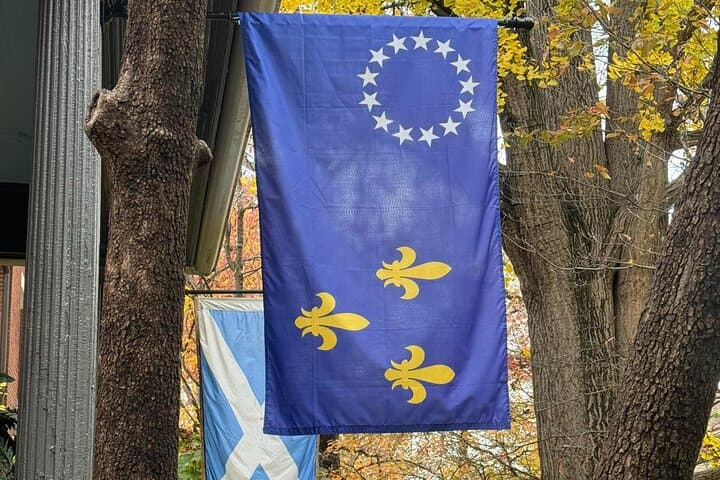
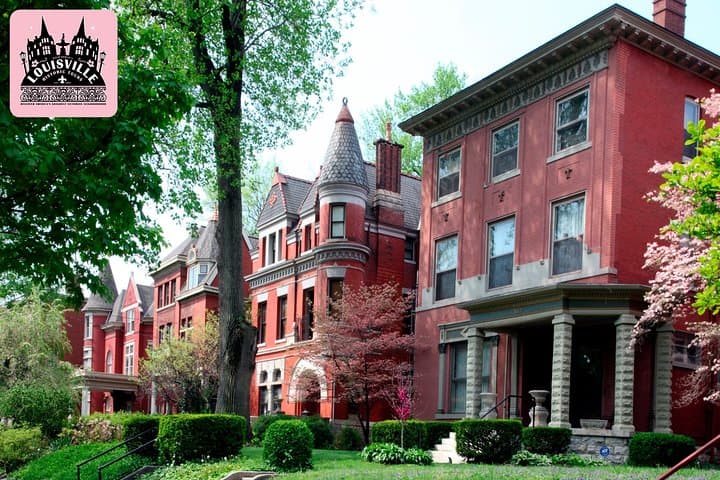
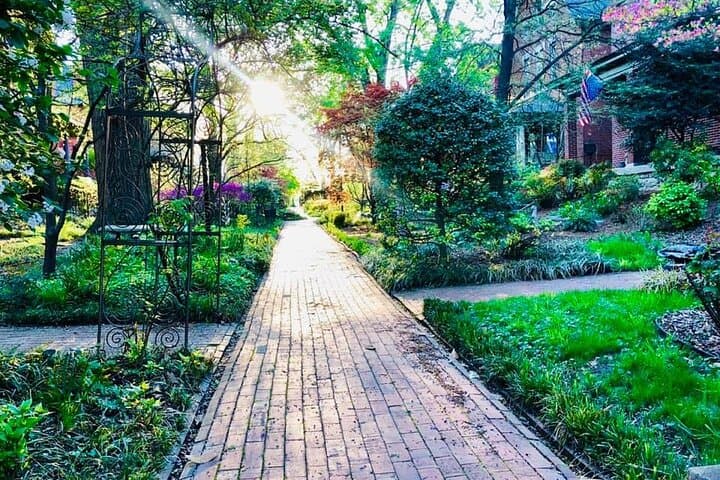
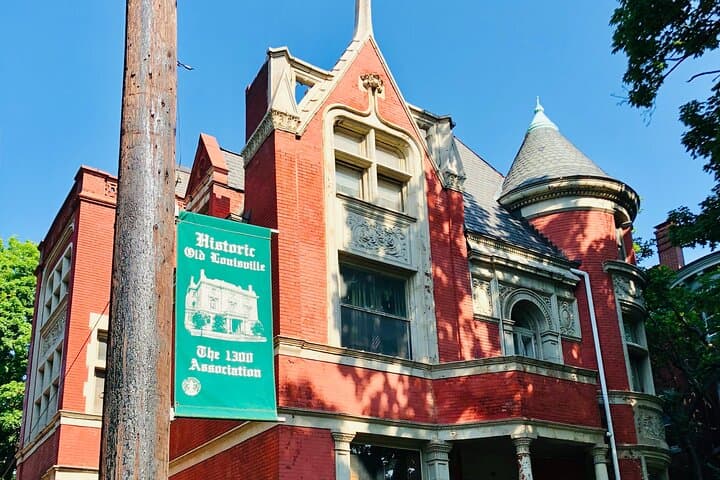
You meet at a brown "Welcome to Old Louisville" sign; the air smells faintly of cut grass and frying donuts from long-closed shops, while gaslamps—literal and figurative—throw long shadows across red-brick sidewalks. The guide steps off, and the neighborhood opens: rows of high Victorian roofs, carved stone porches, and a gnarled tree that dares you to linger.
You meet at a brown "Welcome to Old Louisville" sign; the air smells faintly of cut grass and frying donuts from long-closed shops, while gaslamps—literal and figurative—throw long shadows across red-brick sidewalks. The guide steps off, and the neighborhood opens: rows of high Victorian roofs, carved stone porches, and a gnarled tree that dares you to linger.
Old Louisville grew fast in the late 19th century as bourbon barons, racetrack investors, and tobacco magnates built large homes on a former floodplain shaped by the Ohio River. Frederick Law Olmsted’s fingerprints mark the neighborhood in Central Park’s shaded squares and native-tree plantings. Architectural styles read like a timeline—Queen Anne flourishes, Richardsonian Romanesque arches at the Bernheim Mansion, and Beaux-Arts formality at the Ferguson house. Local lore threads through the route: the Witches' Tree and tales of tornadoes, plus the quirky residents who give the district its character.
The tour covers roughly 1.5–2 miles over about 90 minutes, staying on public sidewalks; guides narrate and stop outside notable residences and the Conrad-Caldwell House Museum (interior tours separate). Practicalities matter: meet at 1300 S. 4th St., arrive early, and expect continuous walking with minimal stops. The route is mostly flat but uses city sidewalks—comfortable shoes and a full water bottle matter. Photography is welcome but remember these are private homes; treat yards and porches as private space. The walk is both a history lesson and a brisk urban ramble—part architecture primer, part neighborhood portrait.